

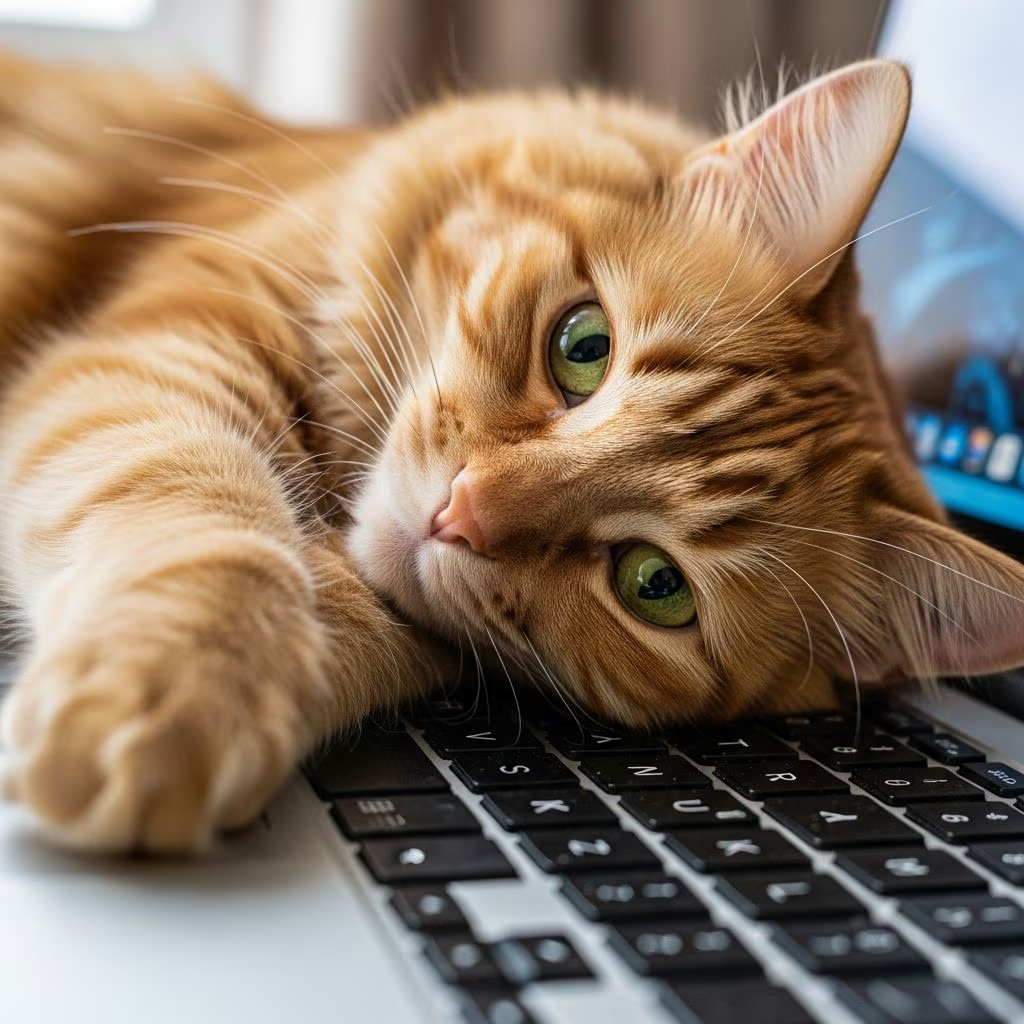
The sight of a cat plopping down on your keyboard mid-work is a classic scene for many pet owners. Whether you’re typing an important email or editing a document, your feline friend seems to have impeccable timing. But why do cats like to sit on keyboards? This behavior stems from a mix of instinct, comfort, and social needs. Primarily, keyboards offer warmth from electronics and position your cat right in the center of your attention, making it an irresistible spot.
Understanding these motivations not only explains the habit but also helps you address it effectively. In this comprehensive guide, we’ll break down the five key reasons backed by veterinary and behavior experts, explore how to discourage the behavior humanely, and answer common questions. By the end, you’ll have practical strategies to reclaim your workspace while keeping your cat content.
The 5 Possible Reasons Why Cats Like to Sit on Keyboards
Cats are enigmatic creatures with behaviors rooted in their wild ancestry and domesticated comforts. Keyboards check multiple boxes for them: warmth, proximity to you, and stimulation. Here’s a detailed look at the top five reasons.
1. Coziness and Warmth
Cats are notorious for seeking out warm spots, and keyboards deliver exactly that. Laptop and desktop keyboards generate heat from the underlying electronics, creating a toasty surface that’s far more appealing than a cold floor or bed. To a cat, this warmth mimics the sun-soaked rocks or cozy dens their ancestors favored.
Behaviorist Amy Shojai, CABC, notes that cats are particularly drawn to the gentle heat from devices, especially when held on a lap, reinforcing the sense of ownership over that prime real estate. Even mechanical keyboards warm up from prolonged use, turning them into impromptu heated pads. This coziness often leads to full-on naps, with your cat kneading and purring contentedly.
2. Attention
Your intense focus on the screen can make your cat feel sidelined. When you’re glued to your work, the keyboard becomes the barrier between you and your pet. By sitting on it, your cat effectively “pushes your buttons”—literally—to reclaim your gaze and interaction.
This jealousy isn’t malicious; it’s a bid for affection. Cats are social animals that thrive on bonding time. As Arden Moore, pet behavior consultant, explains, the keyboard positions them squarely between you and the monitor, demanding attention through sheer presence. If petting or talking ensues, it reinforces the behavior, turning it into a learned strategy for lap time.
3. Perfect Cat Nap Spot
Beyond warmth, keyboards smell like you—their favorite human. Laptops on laps absorb your scent over hours, making the spot feel safe and familiar. For cats, napping in a scented, elevated, warm area is ideal, combining security with comfort.
Additionally, cats may mark the keyboard with their own pheromones by rubbing or sitting, signaling to other pets (or even the device itself) that this territory belongs to them. It’s a subtle way of asserting dominance over the “rival” that’s stealing your focus. This multi-sensory appeal—smell, warmth, and height—makes it a five-star feline hotel in your cat’s eyes.
4. Hunting Instincts and Playing
Cats are predators at heart. Your typing fingers darting across keys mimic scurrying prey, triggering their pounce reflex. The cursor zipping across the screen or videos playing add to the allure, turning your workspace into an interactive hunting ground.
Quiet concentration—still body, narrowed eyes—mirrors a cat’s stalking pose, intriguing them further. Leaping onto the keyboard lets them “hunt” your hands or chase on-screen movement. Shojai highlights how this prey drive makes keyboards a playground, with pawing at keys feeling like batting at rodents. For playful kittens or energetic adults, it’s endless entertainment.
5. Curiosity and Copycat Behavior
Cats are observant learners, often mimicking human actions. Seeing you intently tap away or stare at the glowing screen sparks their curiosity. They may hop on to investigate the beeps, clicks, or visuals, treating it like a game you’re playing.
This observational learning, or “copycat” behavior, shows their adaptability. If you’ve ever seen your cat paw at the screen after watching you scroll, it’s them joining in. Combined with routine—your coffee, then computer signals “playtime”—it cements the keyboard as a hub of activity.
How Can You Stop Cats from Sitting on Keyboards?
While endearing, this habit disrupts work: accidental key presses delete files, fur clogs keys, and heat buildup risks device damage. The good news? Positive, non-punitive methods work best, redirecting instincts without stress.
Key principle: Make alternatives more appealing than the keyboard. Consistency is crucial; cats learn through repetition.
Create a Cozy Lounge Area
Mimic the keyboard’s appeal nearby. Place a heated cat bed, blanket, or hammock on your desk or lap-adjacent spot. Cat trees with perches in your work area keep them close without interference.
- Heated options: Plug-in beds or self-warming pads replicate electronic warmth.
- Scented fabrics: Use blankets rubbed on your clothes for familiar smells.
- Elevation: Shelves or window perches offer prime viewing of you and birds outside.
Position these warmer and comfier than the keyboard; cats will choose naturally.
Use Distractions and Play
Preempt the behavior with exercise. A 10-15 minute play session before work tires them out, channeling energy into toys instead.
- Wand toys, laser pointers, or balls mimic hunting.
- Treat-dispensing puzzles keep minds occupied.
- Window bird feeders or leaf-filled boxes provide passive stimulation.
During work, scatter treats away from the desk to lure them off.
Ignore the Behavior
Attention fuels the fire. Gently lift your cat off without eye contact, talking, or petting, placing them on their alternative spot. Resume work immediately.
Positive reinforcement shines here: Reward (treat/praise) only when they’re in their own bed. Over time, they associate keyboards with zero payoff and alternatives with gains.
Additional Tips
Use keyboard covers or work on a separate surface. Vertical space like wall shelves reduces lap competition. Enrich their environment overall—scratching posts, tunnels—for less fixation on your setup.
| Strategy | Pros | Cons | Best For |
|---|---|---|---|
| Cozy Alternative | Meets warmth/smell needs | Initial setup cost | Nappers |
| Play Sessions | Exercises fully | Time-intensive | Playful cats |
| Ignoring | No tools needed | Requires patience | Attention-seekers |
Frequently Asked Questions (FAQs)
Is it harmful for cats to sit on keyboards?
Generally no, but watch for overheating risks to both cat and device. Fur buildup needs regular cleaning, and avoid if your cat chews cords.
Why does my cat only do this on my laptop?
Laptops are lap-held, warmer, and portable—peak coziness. Desktops lack the scent and height appeal.
How long until my cat stops?
1-2 weeks with consistency. Kittens learn faster; seniors may need more coaxing.
What if ignoring doesn’t work?
Combine with play and alternatives. Consult a vet if sudden changes suggest stress or health issues.
Are some breeds more prone?
No specific breeds, but indoor, less active cats or those with strong bonds to owners show it more.
This behavior underscores the joy of cat companionship—your workspace is their world. By addressing root causes, you foster harmony for productive days ahead.
References
- Why Do Cats Like to Sit on Keyboards? 5 Vet-Reviewed Reasons — Catster. 2023. https://www.catster.com/cat-behavior/why-do-cats-like-to-sit-on-keyboards/
- Animal behaviorist outlines peculiar reasons your cat loves to sit on keyboard — Upworthy. 2023. https://snuggle.upworthy.com/animal-behaviorist-outlines-peculiar-reasons-your-cat-loves-to-sit-on-keyboard-other-than-its-warmth
- Cats on Keyboards: Why They Love Them (and What You Can Do) — PetMD. 2023. https://www.petmd.com/cats-keyboards-why-they-love-them-and-what-you-can-do
- Why Do Cats Like To Walk & Sit on Keyboards — Cats.com. 2023. https://cats.com/why-do-cats-like-to-walk-sit-on-keyboards



