

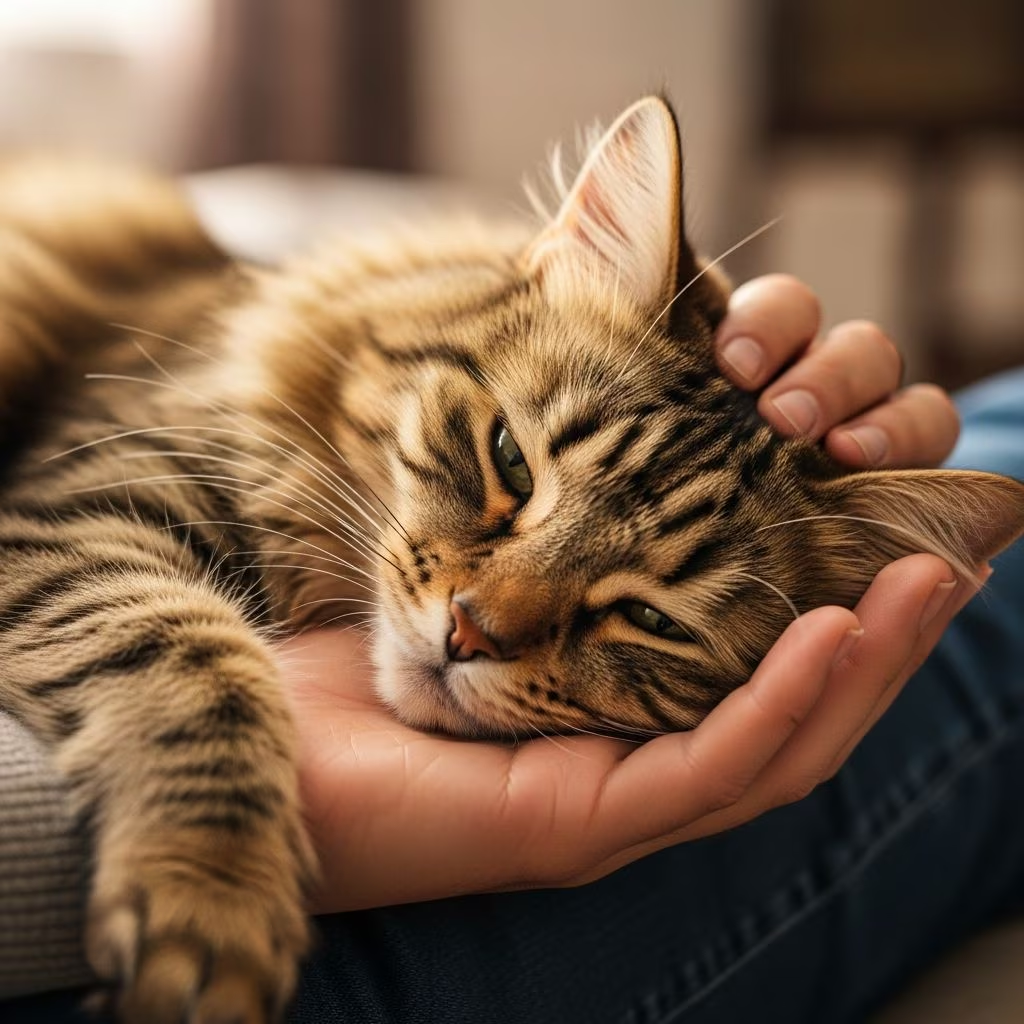
Cats are often seen as independent creatures, yet many owners experience the joy of their feline friends curling up for a cuddle session. This affectionate behavior stems from instinct, learned experiences, and emotional needs. Understanding why cats like to cuddle can deepen your bond and help you respond to their cues effectively.
The 5 Reasons Cats Like to Cuddle
Cats cuddle for several compelling reasons, each rooted in their biology, early development, and relationship with their humans. These behaviors often begin in kittenhood and evolve into adult habits.
1. Warmth
Cats are drawn to warmth, making your lap an irresistible spot. Kittens, in particular, cannot regulate their body temperature until around 3 weeks old, so they pile onto their mother, siblings, or humans for heat. This preference persists into adulthood, as felines naturally seek cozy environments. If you’ve cuddled your kitten regularly, they’re more likely to continue the habit as an adult, viewing you as a reliable heat source. Adult cats maintain a body temperature of about 100.5–102.5°F (38–39°C), slightly higher than humans, so they appreciate sharing your warmth, especially under a blanket.
2. Safety
Feeling secure is paramount for cats. They choose napping spots where they feel protected from threats like dogs or other animals. Your lap represents ultimate safety—elevated, close to you (their trusted protector), and out of reach from predators. This instinct is amplified by early socialization; kittens learn to trust humans who provide safety, carrying this into adulthood. A cat that cuddles with you is expressing profound trust, knowing you’re a safe haven.
3. Attention
While some cats appear aloof, most crave interaction from their owners. Cuddling becomes a direct bid for attention, especially after you’ve been absent or busy. You might notice rubbing, head-butting, or even ‘gifts’ like dead bugs as alternative pleas. Snuggling ensures undivided focus, fulfilling their social needs. Independent cats may still seek periodic attention, using cuddles to re-engage when feeling neglected.
4. Bonding
Cuddling forges emotional connections. Cats mark you with scent glands on their cheeks and paws during snuggles, claiming you as territory and family. This territorial bonding combats loneliness, even in cats that dislike being picked up—they’ll often lap-sit to strengthen ties. Studies show cats release oxytocin (the ‘love hormone’) during interactions, mirroring human bonding and promoting trust. Allogrooming among cats similarly reinforces colony bonds through shared scents and grooming.
5. Comfort and Habit
Beyond the core drivers, cuddling provides pure comfort. Cats associate it with positive experiences from kittenhood, turning it into a habit. Your steady heartbeat and breathing mimic the soothing rhythm of their mother, lulling them into relaxation. For many, it’s simply enjoyable, combining physical pleasure with emotional security.
Why Do Some Cats Like to Cuddle More Than Others?
Not all cats are cuddle enthusiasts; preferences vary due to genetics, socialization, personality, and past experiences. Understanding these factors helps set realistic expectations.
Genetics and Breed Differences: Some breeds are predisposed to affection. Ragdolls and Persians often melt into cuddles (hence ‘Ragdoll’), loving laps and handling. Active breeds like Bengals or Abyssinians prioritize play over snuggling, preferring independent exploration.
- Ragdoll: Famous for going limp when picked up, highly cuddly.
- Persian: Gentle, lap-oriented temperament.
- Siamese: Vocal and people-focused, enjoys close contact.
- Bengal: Energetic hunter, less lap-focused.
- Sphynx: Seeks warmth due to hairlessness, extremely cuddly.
Socialization: Kittens handled gently from 2–7 weeks develop cuddly traits. Early petting teaches them touch equals pleasure. Poor socialization or trauma leads to aversion; rescue cats often need time to rebuild trust.
Personality and Health: Bold, confident cats cuddle more; shy ones observe first. Age matters—seniors seek comfort for warmth and security, while illness or pain can increase or decrease affection.
Non-cuddlers still love you, showing it via slow blinks, head bunts, licking, nuzzling, or gifts. Respect their boundaries to avoid stress.
How to Encourage Cuddling in Less Affectionate Cats
If your cat shuns cuddles, patience and positive reinforcement work wonders. Never force it—build trust gradually.
- Be Calm and Gentle: Use slow movements, soft voices, and slow blinks to signal safety. Sudden actions scare cats.
- Respect Body Language: Tail twitching or ears back means stop. Watch for purring, kneading as green lights.
- Prime Locations: Pet from head to tail base; avoid belly unless invited. Use favorite spots like cheeks.
- Reward with Treats and Play: Lure with treats, reward voluntary approaches. Associate you with positivity.
- Groom Regularly: Brushing mimics allogrooming, building bonds and comfort.
Consistency pays off; many ‘non-cuddlers’ warm up over months.
Cat Cuddling Facts and Myths
Myth: Cats are solitary. Wrong—domestic cats form bonds, cuddling reinforces them.
Myth: Cuddling means they’re sick. Usually not; sudden changes warrant vet checks.
| Fact | Explanation |
|---|---|
| Cats release oxytocin cuddling | Promotes bonding like in humans |
| Kittens learn cuddling young | 3-week milestone for temp regulation |
| Scent marking via cuddles | Glands on face/paws claim territory |
| Not all hugs are welcome | Many prefer lap time over restraint |
Frequently Asked Questions (FAQs)
What does it mean if my cat cuddles with me?
It means trust, seeking warmth/safety, or bonding. They’re marking you as family.
Why is my cat suddenly more cuddly?
Could be habit, cold weather, loneliness, or health issues—monitor changes.
Do all cat breeds like to cuddle?
No, cuddly breeds like Ragdolls vs. active ones like Bengals.
How can I get my cat to cuddle more?
Use gentle approaches, treats, and respect signals.
Why won’t my cat cuddle?
Personality, poor socialization, or trauma; they love differently.
Final Thoughts
Cats cuddle for warmth, safety, attention, bonding, and comfort—simple yet profound reasons reflecting their trust in you. Whether yours is a lap cat or independent, cherish their unique affection style. Happy cuddling!
References
- Why Do Cats Like to Cuddle? 5 Vet-Verified Reasons — Catster. 2023. https://www.catster.com/cat-behavior/why-do-cats-like-to-cuddle/
- Cat Cuddles: Vet-Verified Facts About Kitty Snuggling — Catster. 2023. https://www.catster.com/cat-behavior/cats-cuddling/
- How to Get Your Cat to Cuddle: 5 Vet-Approved Tips — Catster. 2023. https://www.catster.com/cat-behavior/how-to-get-a-cat-to-cuddle/
- Why Is My Cat So Affectionate in the Morning? — Catster. 2023. https://www.catster.com/cat-behavior/why-is-my-cat-affectionate-in-morning/



