

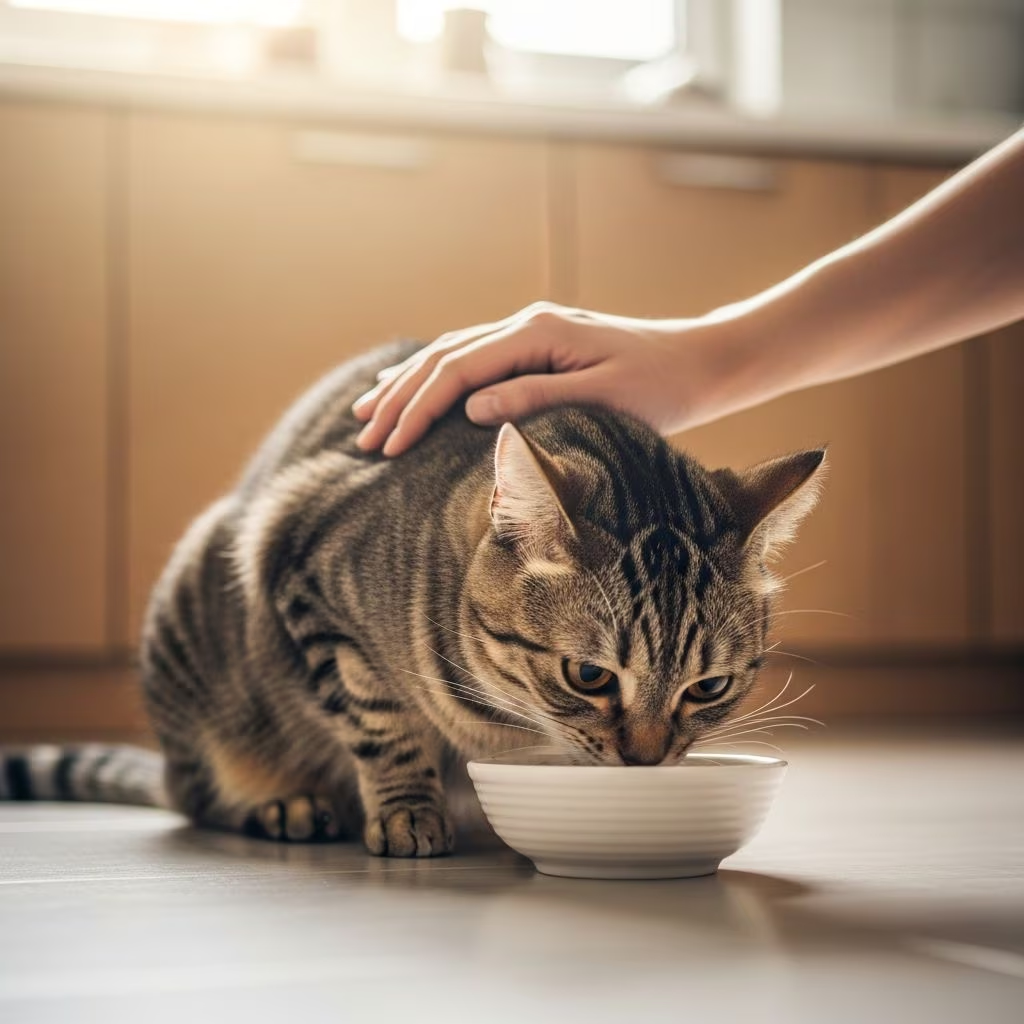
Why Do Cats Like to Be Pet While Eating? 6 Vet-Reviewed Reasons
Cats display a wide variety of behaviors during mealtime, and some of these habits can seem unusual to their owners. While some cats prefer to eat in solitude, others actively seek out attention and affection from their owners while dining. If your feline companion frequently demands petting or your presence during meals, you might wonder what motivates this behavior. Understanding the reasons behind your cat’s mealtime antics can help you better care for them and identify any underlying concerns.
The phenomenon of cats wanting to be petted while eating is more common than many cat owners realize. In fact, this behavior has earned a specific name in feline behavior circles: “affection eating.” Rather than being purely a matter of habit or preference, this conduct often reveals important information about your cat’s emotional and physical well-being. By exploring the six primary reasons cats exhibit this behavior, you can gain valuable insights into your pet’s needs and ensure they receive appropriate care.
The 6 Possible Reasons Cats Like to Be Pet While Eating
1. They’re Seeking Reassurance
One of the most common reasons cats want to be petted while eating is their need for reassurance and security. When your cat approaches you with attention-seeking behaviors such as whining or head-butting (affectionately called “bunting”), they may be signaling their desire to feel close to you during mealtime. This behavior often stems from an instinctive need for safety and protection.
Feeling physically close to their owner while eating helps cats feel secure against any perceived threat. This reassurance is particularly important for cats that have experienced uncertain living situations or those with naturally anxious temperaments. By being near you and receiving your touch, your cat establishes a sense of safety that allows them to focus on eating without worry. This behavior echoes feline instincts from their early lives, when eating alongside littermates provided both comfort and protection from potential predators.
2. They Feel Stressed
Stress is a significant factor that can trigger cats to seek petting while eating. Various environmental or situational changes can cause stress in cats, including:
- Changes in their regular food or food brand
- Relocation of their food bowl to a different position or room
- Moving to a new home
- Introduction of new pets or family members
- Changes in household routine or schedule
When cats experience stress, they naturally look to their owners for comfort and reassurance. The physical act of being petted provides measurable health benefits for your feline friend. Cats experience a release of oxytocin when being petted, which significantly reduces stress and anxiety levels. This neurochemical response makes petting an effective stress-relief mechanism for cats.
Anxiety around food can specifically initiate attention-seeking behavior during eating, so it’s important to watch for other stress-related signs in your cat. These indicators may include:
- Excessive vocalizing or unusual meowing
- Changes in eating habits or appetite
- Increased hiding or withdrawal from family activities
- Inappropriate urination or defecation outside the litter box
- Overgrooming or excessive self-licking
If you notice your cat exhibiting multiple stress behaviors, addressing the underlying cause is essential for their overall well-being.
3. Age-Related Cognitive Decline
As cats age, some experience cognitive decline commonly referred to as “feline dementia.” This condition can significantly alter your senior cat’s behavior and needs. Cats with cognitive decline may become forgetful, fearful, and increasingly dependent on their owners for reassurance and guidance.
Your aging cat may seek reassurance from petting when eating because they feel uncertain about whether the food is actually theirs or struggle to locate it if cognitive decline has progressed. Another hallmark sign of feline dementia is cats forgetting they’ve recently eaten, leading them to seek meals multiple times or becoming distressed about food availability. Petting your cat when they’re eating can provide significant comfort and help them feel secure about this essential activity.
Other signs of feline dementia that warrant a veterinary visit include:
- Disorientation or confusion in familiar spaces
- Changes in sleep-wake cycles
- Decreased interest in play or social interaction
- Litter box avoidance or inappropriate elimination
- Excessive vocalization or restlessness
If you suspect your senior cat is experiencing cognitive decline, consulting with your veterinarian can help identify appropriate management strategies.
4. They’ve Developed a Habit
Your cat’s need for attention while eating may simply be a habit they’ve developed and maintained over time. This behavior frequently originates during kittenhood and persists into adulthood due to cats’ natural inclination toward routine and predictability. Kittens that receive petting while eating often grow up expecting and seeking this interaction as older cats. As creatures of habit, your adult cat might not feel safe or comfortable eating if you’re not providing them with affection.
This habit is particularly common in cats who have lived in multi-cat households, such as shelters or foster homes. In these environments, cats compete with others for valuable resources including food and shelter. By having their owner nearby during mealtime, a cat can feel more comfortable and secure eating while others leave them alone. When this behavior is rewarded with affection and successful, peaceful eating, it reinforces the pattern further.
Young cats that were bottle-fed or hand-raised may be especially prone to this habit, as they associate feeding time with close human contact. Even after transitioning to eating independently, these cats may continue seeking that same connection during meals.
5. They’re Sick
Certain illnesses can result in behavioral changes, particularly those that cause stress or affect your cat’s sensory perception. Some older cats suffer from hypertension (high blood pressure), which can negatively affect their vision and make locating food challenging. If your cat has difficulty finding their food bowl or seeing their meal clearly, they may seek your touch and guidance to help them navigate eating.
Cats experiencing hearing loss may also look to their owners for reassurance when eating, as they rely more heavily on other senses and your presence for security. Additionally, dental problems, mouth pain, or gastrointestinal issues can make eating uncomfortable, causing cats to seek the comfort of your presence and touch.
If your cat’s mealtime habits change suddenly and they show other troubling signs, it’s crucial to contact your veterinarian for a comprehensive examination. Your cat’s increased clinginess could be directly related to an underlying medical condition that requires professional evaluation and treatment.
6. They Simply Like It
Sometimes the simplest explanation is the correct one: your cat might enjoy being petted while eating simply because they like it. Some cats are naturally more affectionate than others and are more demanding of their owner’s attention throughout the day. These affectionate felines extend their desire for connection to mealtime as well, viewing eating as an opportunity for bonding rather than a solitary activity.
“Affection eating” is a completely normal behavior in social, affection-seeking cats. There is no harm in your cat wanting you to pet them during meals, and it’s simply another of their unique personality traits. If your cat’s behavior doesn’t bother you and they’re not showing any changes in behavior or signs of illness, there’s no reason to discourage this habit.
However, if you find this behavior problematic or if your cat becomes so dependent on your presence that they won’t eat without you, talking to a veterinarian for professional advice is recommended.
Understanding Affection Eating in Cats
Affection eating refers to the behavior in cats that require companionship or affection during feeding time. These cats will be content with being watched or petted and may even become reluctant to eat if you are not around. They could feel noticeably more comfortable and at ease eating when you are present, watching, or petting them.
It’s important to recognize that not every cat will be an affection eater, as preferences vary significantly among individual felines. Some cats enjoy companionship during feeding time more than others, while some strongly prefer solitude. Respecting your cat’s personal space while they eat and avoiding making feeding time stressful is essential for their well-being. The key is learning to read your individual cat’s body language and preferences.
Body language provides clear signals about your cat’s comfort level during meals. A cat that is meowing for you to watch or stroke them while they eat is explicitly inviting you to be more affectionate toward them. Conversely, a cat that is moving away from your touch, displaying ears held back, or appearing irritable should be left alone to eat in peace. Most signs of stress or enjoyment of your affection are visible through observable body language.
When Affection Eating Becomes Concerning
While most mild forms of affection eating are not a medical or behavioral concern, there are situations where this pattern warrants attention. Affection eating can become problematic if your cat becomes dependent on your affection to eat and won’t consume food unless you are present. This dependency can create challenges in your daily life and may indicate underlying stress or anxiety that needs addressing.
Cats sometimes develop affection eating habits because of negative emotions or stressful situations in their environment. These stressors could include:
- Moving to a new home
- Introduction of new pets or family members
- Noisy construction or environmental changes
- Changes in family dynamics or routines
- Loss of a familiar companion (human or animal)
A cat that is too stressed to eat alone and will refuse food until you are with them needs your help managing their anxiety. While your encouragement during feeding times can be a useful tool in some situations, allowing this to become a permanent dependency is not ideal for your cat’s long-term well-being and independence. The goal is to address the underlying cause of the stress and gradually fade out your interaction and presence during mealtimes.
Frequently Asked Questions About Cats Being Pet While Eating
Q: Is it normal for cats to want to be petted while eating?
A: Yes, this behavior is relatively common and is called “affection eating.” Many cats enjoy companionship during mealtime for various reasons, from seeking reassurance to simply enjoying the connection with their owner. However, not all cats exhibit this behavior, as preferences vary widely.
Q: Should I pet my cat while they’re eating?
A: You should pay attention to your cat’s body language. If your cat actively seeks your attention and shows signs of contentment, gentle petting is fine. However, if your cat appears stressed or moves away from your touch, allow them to eat undisturbed. Avoid petting during eating if it causes stress or makes mealtime unpleasant.
Q: What if my cat won’t eat unless I’m petting them?
A: This level of dependency can indicate stress, anxiety, or a medical issue. Consult your veterinarian to rule out health problems. If stress is the cause, work on gradually reducing your presence and interaction during meals while addressing the underlying stressor.
Q: Could my cat’s need for petting while eating indicate a health problem?
A: Possibly. If this behavior is new or accompanied by other changes like appetite loss, behavioral shifts, or signs of discomfort, schedule a veterinary examination. Conditions like cognitive decline, vision problems, hearing loss, or dental issues can all influence this behavior.
Q: How can I tell if my cat is stressed about eating?
A: Watch for signs such as eating very quickly, looking around nervously while eating, hiding before meals, vocalization, or refusing to eat when alone. You may also notice other stress indicators like overgrooming, changes in litter box habits, or excessive hiding.
Q: Is affection eating more common in rescue or shelter cats?
A: Yes, cats from shelters or foster homes, which are often multi-cat environments, may develop affection eating habits due to resource competition and the comfort of having their owner nearby during meals. This behavior can persist even after they’ve settled into a single-pet home.
What You Should Know About Your Cat’s Mealtime Needs
Understanding your cat’s individual personality and preferences is crucial for creating a positive feeding experience. Some cats are naturally social and view mealtime as an opportunity for bonding, while others prefer complete privacy and solitude when eating. Neither preference is inherently better or worse—they’re simply different personality types.
Creating an optimal eating environment for your cat involves several key factors. The location of the food bowl should be quiet and away from high-traffic areas, allowing your cat to eat without stress. If you have multiple cats, each should have their own bowl in separate locations to prevent competition and anxiety. Additionally, maintaining consistent feeding schedules helps reduce stress and provides your cat with a sense of security and predictability.
The type of food, water quality, and bowl material can also influence your cat’s mealtime behavior. Some cats are sensitive to certain bowl materials or textures, and changes in food can trigger stress responses. If you need to switch foods, doing so gradually over a week or more helps minimize stress.
When to Consult Your Veterinarian
While your cat enjoying petting during meals is usually harmless, certain situations warrant professional veterinary advice. Schedule a vet visit if your cat:
- Suddenly develops new mealtime behaviors
- Shows signs of stress or anxiety during eating
- Refuses to eat without your presence
- Experiences changes in appetite or eating speed
- Shows other behavioral or physical changes
- Is elderly and showing cognitive changes
Your veterinarian can rule out medical issues and provide guidance on managing stress-related behaviors. They may recommend environmental modifications, behavioral strategies, or in some cases, medication to help your cat feel more comfortable.
Conclusion
Your cat may enjoy being petted during meals for several legitimate reasons. They might be seeking your reassurance if they’re stressed, experiencing a medical condition, or following a habit established early in life. In some cases, they simply enjoy your company and affection. Petting your cat can help them feel relaxed and reassured, especially if they’re older or have had previous negative experiences with food.
This behavior isn’t inherently problematic if your cat isn’t showing any concerning changes in behavior or other signs of illness. However, if your cat becomes overly dependent on your presence to eat or if you notice other worrying symptoms, consulting your veterinarian is the best course of action. By understanding your individual cat’s needs and personality, you can create a positive, stress-free mealtime experience that strengthens your bond while ensuring your feline companion remains healthy and content.
References
- Why Do Cats Like to Be Pet While Eating? 6 Vet-Reviewed Reasons — Catster. 2025. https://www.catster.com/cat-behavior/why-do-cats-like-to-be-pet-while-eating/
- Why Does My Cat Want Me to Watch Her Eat? Vet-Verified Facts & Info — Catster. 2025. https://www.catster.com/cat-behavior/affection-eating-and-cats/
- Cat: Affection Eaters — SF SPCA. 2023. https://www.sfspca.org/wp-content/uploads/2023/02/cat_affection-eaters.pdf
- Deciphering Cat Body Language Around Food — Wellness Pet Food. 2025. https://www.wellnesspetfood.com/blog/deciphering-cat-body-language-around-food/
- Why Does My Cat Want Me to Watch Her Eat? — Cats.com. 2025. https://cats.com/why-does-my-cat-want-me-to-watch-her-eat



