

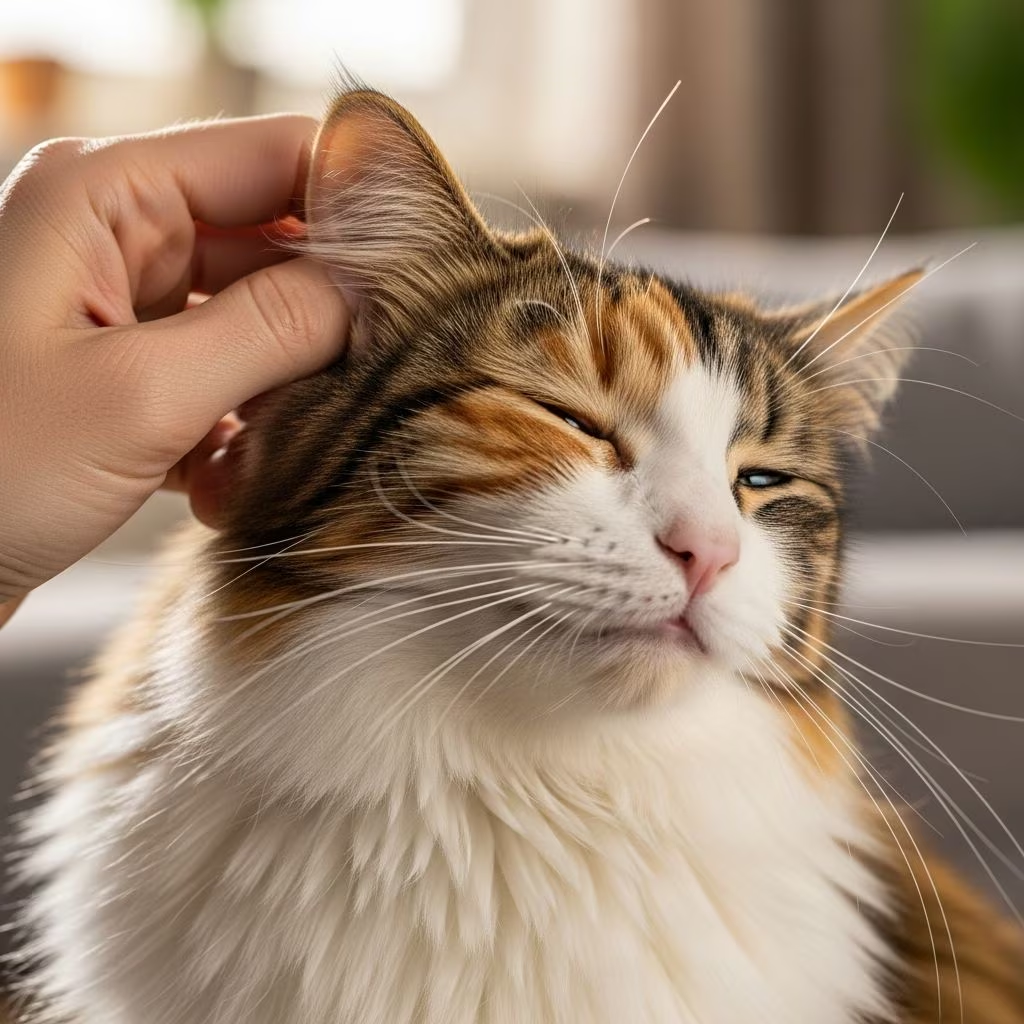
Cat ears captivate with their soft, velvety texture and expressive movements, drawing pet owners to gently rub them. Most cats respond with deep purrs and relaxed bliss, but **why do cats like their ears rubbed** so much? This article delves into five vet-reviewed reasons, drawing from feline biology and behavior. We’ll cover the science behind the pleasure, safe techniques, and when to watch for health issues, helping you enhance your bond with your furry companion.
The 5 Reasons Cats Love Ear Rubs
Cats’ ears aren’t just adorable—they’re packed with nerve endings and scent glands that make rubbing a multisensory delight. Here’s a breakdown of the key reasons, supported by insights into cat physiology.
1. It Feels Good: Mimicking Maternal Grooming
Mother cats meticulously groom their kittens, licking ears, faces, and heads to clean and comfort them. This triggers oxytocin release—the ‘love hormone’—in both mother and kittens, fostering pleasure and security.
Adult cats retain this fondness; rubbing their ears replicates that soothing sensation. The base of the ears contains dense nerve endings, sending waves of relaxation throughout the body. Many cats lean in, purr, and even knead, signaling pure enjoyment. This grooming mimicry explains why **cats crave ear rubs** as a comforting ritual reminiscent of kittenhood.
2. It Promotes Calmness and Stress Relief
Ear rubs stimulate purring, which releases **endorphins**—natural painkillers and stress reducers—in cats. These hormones lower anxiety, improve mood, and enhance overall well-being, much like a feline spa session.
Cats mask stress well, but subtle signs like hiding or twitching tails reveal it. Unlike vocal dogs, felines internalize tension from changes like new pets or loud noises. A daily gentle ear massage counters this, calming nerves via nerve stimulation and hormone release. Owners report cats drifting to sleep post-rub, underscoring its relaxing power.
- Endorphin boost: Reduces pain and stress.
- Purring feedback: Amplifies relaxation in a virtuous cycle.
- Daily ritual: Builds routine comfort for anxious cats.
3. They Crave Your Attention and Affection
Despite their independent image, cats thrive on interaction beyond food and litter. Ear rubs provide focused attention, fulfilling their need to feel loved and admired.
Ears host sebaceous glands secreting oils and pheromones for communication. When you rub, these activate, signaling affiliation. Cats ‘bunt’ heads against owners to spread scent; reciprocal ear petting meets this social drive, making them feel centered in your world.
4. It Strengthens the Human-Cat Bond
Scent glands on ears, face, flanks, and tail allow cats to mark territory and loved ones. Rubbing transfers pheromones to your hands and skin, claiming you as ‘theirs’—a profound trust gesture.
This mutual scent exchange, akin to allogrooming among cats, deepens emotional ties. Oxytocin surges in both cat and owner during petting, mirroring social bonding in pack animals. Regular ear rubs thus fortify your relationship, reducing fear and increasing affection over time.
| Benefit | How It Works | Outcome |
|---|---|---|
| Scent Marking | Pheromone transfer via glands | Ownership and trust |
| Hormone Release | Oxytocin and endorphins | Deeper emotional bond |
| Daily Interaction | Consistent touch ritual | Stronger companionship |
5. Relieves Itchiness from Minor Issues
Occasionally, cats love ear rubs due to mild itch from mites, allergies, or loose fur. Gentle massage soothes without scratching, but it’s also your cue to inspect.
Check for redness, discharge, scabs, or odor—signs of infections less common in cats than dogs but still possible. Rubbing aids grooming, removing debris and reducing hairball risk. If excessive head-shaking or sensitivity persists, consult a vet promptly.
How to Rub Your Cat’s Ears the Right Way
Not all cats tolerate ear rubs equally; technique matters to avoid discomfort. Follow these steps for success.
Ease Into It Gently
Begin with soft strokes at the ear base using fingertips. Watch body language: relaxed ears forward, slow blinks, and purring mean ‘more.’ Tense ears or swats signal ‘stop.’
Try variations like light scratching, gentle twisting, or knuckle rubs—some cats prefer these. Always respect mood; forcing interaction erodes trust.
Common Mistakes to Avoid
Cats’ ears are ultra-sensitive; errors cause pain.
- Too hard: Use feather-light pressure—no pinching or nails.
- Inside ears: Avoid canal to prevent injury or infection spread.
- Hard objects: Fingers only; no brushes if unaccepted.
- Ignoring signals: Tail flicks or ear flattening mean back off.
Incorrect rubbing leads to aversion; done right, it becomes a favorite.
Health Checks During Ear Rubs
Turn rubs into wellness routines. Inspect weekly:
- Swelling or heat: Possible abscess or allergy.
- Black debris: Ear mites (treatable with vet drops).
- Discharge or odor: Infection needing antibiotics.
- Scabs/bald spots: Mange or fleas.
Early detection prevents issues; combine with full-body grooming for loose fur removal and bonding.
Why Not All Cats Love Ear Rubs
Individuality rules: shy rescues or pain-experienced cats may resist. Past trauma or health woes amplify sensitivity. Gradually desensitize with treats paired to touch, or focus on chin/cheek pets.
Observe preferences—some adore ears, others flanks. Tailor to your cat for mutual joy.
Bonus Benefits of Daily Ear Rubs
Beyond pleasure:
- Mental stimulation: Activates brain via nerves.
- Grooming aid: Prompts self-cleaning.
- Bonding hormone boost: Oxytocin for both.
- Stress prevention: Proactive calm.
Frequently Asked Questions (FAQs)
What if my cat doesn’t like ear rubs?
Some cats prefer other spots due to sensitivity or history. Try cheeks or base of tail; use positive reinforcement.
Can ear rubs help with anxiety?
Yes, via endorphins and purring—ideal for stressed cats.
How often should I rub my cat’s ears?
Daily 1-2 minutes if enjoyed; monitor for over-stimulation.
Is it okay to rub inside the ears?
No—risks damage. Stick to outer base.
Does rubbing spread ear mites?
Cleaning hands post-rub prevents; vet for infestations.
Final Thoughts
**Cats like their ears rubbed** for grooming nostalgia, relaxation, attention, bonding, and itch relief. Gentle technique unlocks joy, health insights, and unbreakable bonds. Respect cues, inspect regularly, and enjoy this simple pleasure—your cat will thank you with endless purrs.
References
- If You Rub Your Cat’s Ears Every Day, THIS Will Happen — Feline Fanatics (YouTube). 2025-02-10. https://www.youtube.com/watch?v=C0aQ_Um-3RU
- Why Do Cats Like Their Ears Rubbed? 5 Vet Reviewed Reasons — Hepper. Accessed 2026. https://articles.hepper.com/why-do-cats-like-their-ears-rubbed/
- Why Do Cats Like Their Ears Rubbed So Much? — YouTube. Accessed 2026. https://www.youtube.com/watch?v=oPeyYYcygE0
- Why you’re probably stroking your cat completely wrong — BBC Science Focus. Accessed 2026. https://www.sciencefocus.com/nature/how-to-stroke-a-cat



