

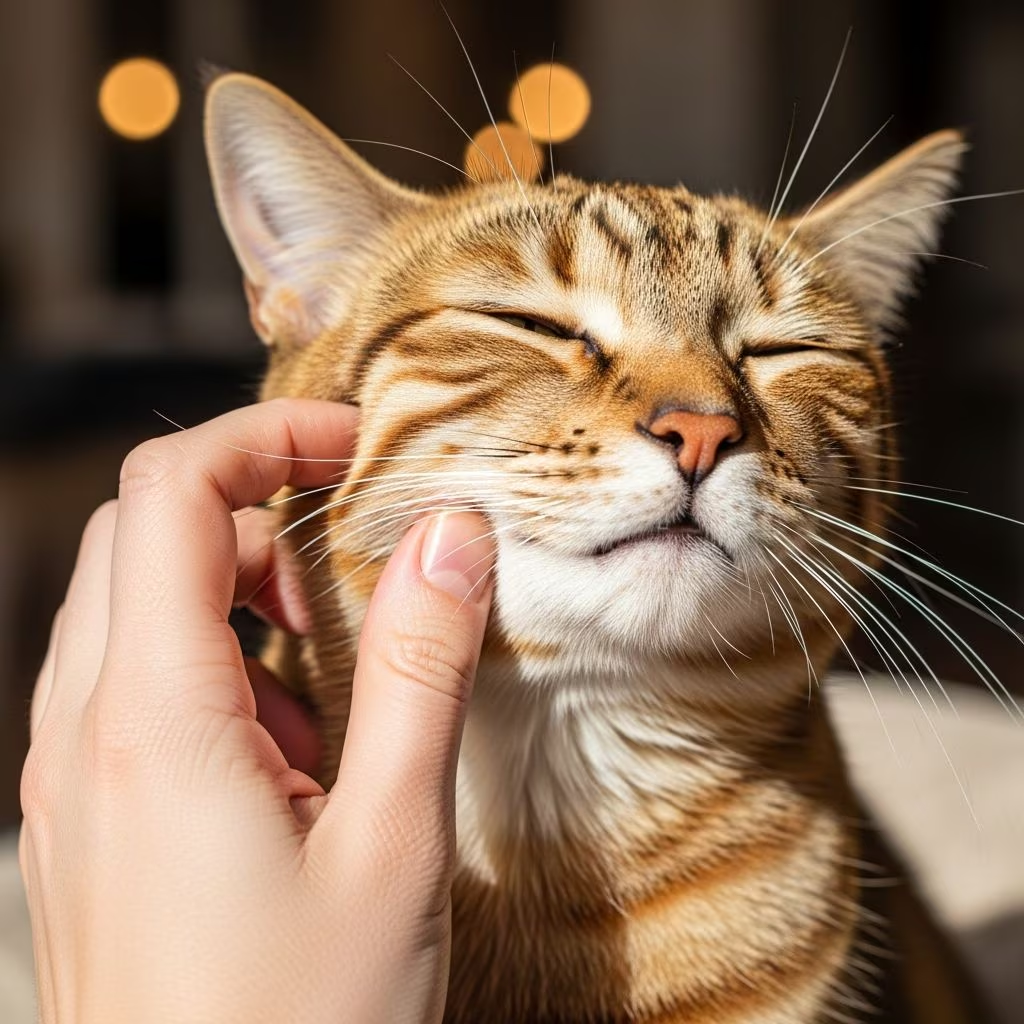
Cats have an undeniable fascination with having their cheeks and chins scratched. This behavior isn’t random; it’s rooted in their biology, instincts, and social needs. From activating scent glands to triggering pleasure responses, cheek scratches provide cats with comfort, security, and joy. Understanding these reasons can deepen your bond with your feline friend and improve their well-being.
The Fascinating World of Cat Cheek Scratching
Observing a cat lean into your hand during a cheek scratch reveals pure bliss. Their eyes half-close, purrs rumble, and they nuzzle for more. This reaction stems from a combination of sensory pleasure, territorial instincts, and emotional trust. Cats’ cheeks house specialized glands and nerve endings that make these areas particularly responsive. Scratching mimics natural behaviors like rubbing against objects or fellow cats, fulfilling innate needs.
Domestic cats inherit these traits from wild ancestors, such as lions and tigers, who use face-rubbing for communication. In modern homes, humans become part of this ritual, with scratches serving as a substitute for environmental marking. This interaction not only pleases the cat but also signals acceptance into their ‘territory.’
Reason 1: Scent Gland Activation and Territory Marking
Cats possess scent glands on their cheeks and chin that release pheromones—chemical signals for communication. When you scratch these spots, you help activate the glands, spreading the cat’s unique scent. This marks you and surrounding areas as ‘safe’ and ‘owned,’ reducing stress and enhancing security.
- Pheromones from cheek glands indicate happiness and low stress, marking favorite spots like owners or food areas.
- This behavior claims ownership, integrating you into their world as trusted.
- Wild cats rub faces on trees or pride members for the same purpose; house cats adapt this to humans.
Artificial feline facial pheromones, used in vet clinics, mimic this to calm cats, confirming the calming effect of natural marking.
Reason 2: The Pleasure of Nerve Endings
Cheeks and chins are packed with sensitive nerve endings connected to pleasure centers in the brain. Scratching stimulates dopamine release, the ‘feel-good’ hormone, creating euphoria akin to a spa treatment. Cats lean in, close eyes, and purr as tension melts away.
This isn’t mere itch relief; it’s deep relaxation. Overstimulation can occur, so watch for signs like skin twitching—ease off if needed.
Reason 3: Instincts from Wild Ancestors
Face-rubbing traces back to feral cats and big cats. Lions rub on pride members to bond and communicate. Your scratches replicate this friction, satisfying ancestral drives. Though smaller, domestic cats retain these instincts, making cheek interaction evolutionarily rewarding.
Reason 4: Building Trust and Affection
Allowing cheek scratches exposes vulnerable areas near the mouth and eyes. This trust signifies deep affection—cats rarely permit such access from strangers. Physical contact expresses love and security, strengthening your emotional bond.
- Rubbing cheeks on you mirrors how cats greet trusted companions.
- It’s a two-way street: your touch reinforces their safety in your presence.
Reason 5: Stress Relief and Endorphin Boost
Anxious cats benefit immensely from cheek scratches. The action releases endorphins, natural pain and stress reducers. A few minutes can calm agitation, outperforming temporary distractions. Regular sessions promote ongoing relaxation, especially for nervous felines.
Reason 6: Whisker Pad Stimulation
Whiskers on cheeks are sensory powerhouses, linked to nerves and muscles for navigation. Gentle scratching activates these bases, delivering satisfying sensations. Be delicate—overstimulation irritates. Proper technique yields purring delight.
Reason 7: Mimicking Maternal Grooming
Kittens receive face and chin licks from mothers, associating it with nurturing. Adult scratches evoke these comforting memories, triggering security feelings. This maternal link explains why even seniors crave it.
Reason 8: The Chin’s Special Vulnerability
The chin, near vital throat areas, is highly protected in the wild. Allowing scratches here denotes profound trust—you’re family. It’s a declaration of safety and love, rare for cautious cats.
Reason 9: The Perfect Combination of Sensations
Cheek scratches blend nerve stimulation, grooming aid, and pheromone spread into irresistible bliss. Cats nuzzle and purr loudly when you nail it, begging for continuation.
How to Scratch Your Cat’s Cheeks Properly
Technique matters for maximum enjoyment:
- Use gentle pressure: Light scratches with fingers or a soft brush.
- Follow their lead: Let them guide your hand; stop if they pull away.
- Combine motions: Mix circular rubs with up-down strokes on cheeks and chin.
- Avoid eyes and ears initially: Build to those if trusted.
- Time it right: Post-meal or play for relaxed moods.
| Do’s | Don’ts |
|---|---|
| Gentle, slow scratches | Rough or fast rubbing |
| Watch body language | Ignore twitching skin |
| Praise and purr back | Force if uninterested |
Common Mistakes Cat Owners Make
Avoid these pitfalls:
- Over-scratching: Leads to irritation; limit sessions to 5-10 minutes.
- Ignoring signals: Tail flicks or ear flattens mean stop.
- Inconsistent touch: Build routine for trust.
- Confusing with itching: Excessive self-scratching may signal allergies or parasites—consult a vet.
When Cheek Scratching Might Indicate a Problem
While enjoyable, obsessive rubbing or scratching could signal issues like allergies, infections, dry skin, or parasites. Differentiate pleasure (purring, leaning) from distress (frantic clawing, hair loss). Vet evaluation rules out conditions like ringworm or atopic dermatitis.
Benefits for Your Cat’s Health and Happiness
Beyond pleasure, regular scratches reduce stress, promote grooming, and enhance bonding. Healthier emotional states mean less anxiety-related issues. It’s low-effort care with high rewards.
Frequently Asked Questions (FAQs)
Why does my cat rub its cheeks on me?
Cats rub cheeks to mark you with pheromones, signaling ownership and affection. It’s a sign of happiness and trust.
Is it okay to scratch my cat’s cheeks every day?
Yes, daily gentle sessions are beneficial for bonding and stress relief, as long as you watch for overstimulation.
What if my cat doesn’t like cheek scratches?
Some cats prefer other spots; respect their boundaries. It could indicate past trauma or sensitivity—try slowly.
Can cheek scratches help an anxious cat?
Absolutely; they release endorphins and pheromones, mimicking calming natural behaviors.
Why do cats headbutt after scratches?
Headbutting spreads more scent, reinforcing the bond and claiming you fully.
Conclusion: Deepen Your Bond Through Understanding
Cheek scratches are more than affection—they’re a gateway to your cat’s world of instincts and emotions. By providing them thoughtfully, you foster trust, joy, and health. Next time your cat demands a scratch, know you’re fulfilling ancient needs in a modern way.
References
- Why Your Cat LOVES Cheek & Chin Rubs — YouTube (Feline Behavior Insights). 2023. https://www.youtube.com/watch?v=Etl_jp0CCqc
- Why do cats rub their cheeks on stuff? — Ask Dr. Universe, Washington State University. 2023-11-09. https://askdruniverse.wsu.edu/2023/11/09/7411/
- Itchy Cat? Possible Causes and When To Worry — PetMD (Brittany Kleszynski, DVM). 2023. https://www.petmd.com/cat/symptoms/itchy-cat-causes-and-when-to-worry



