

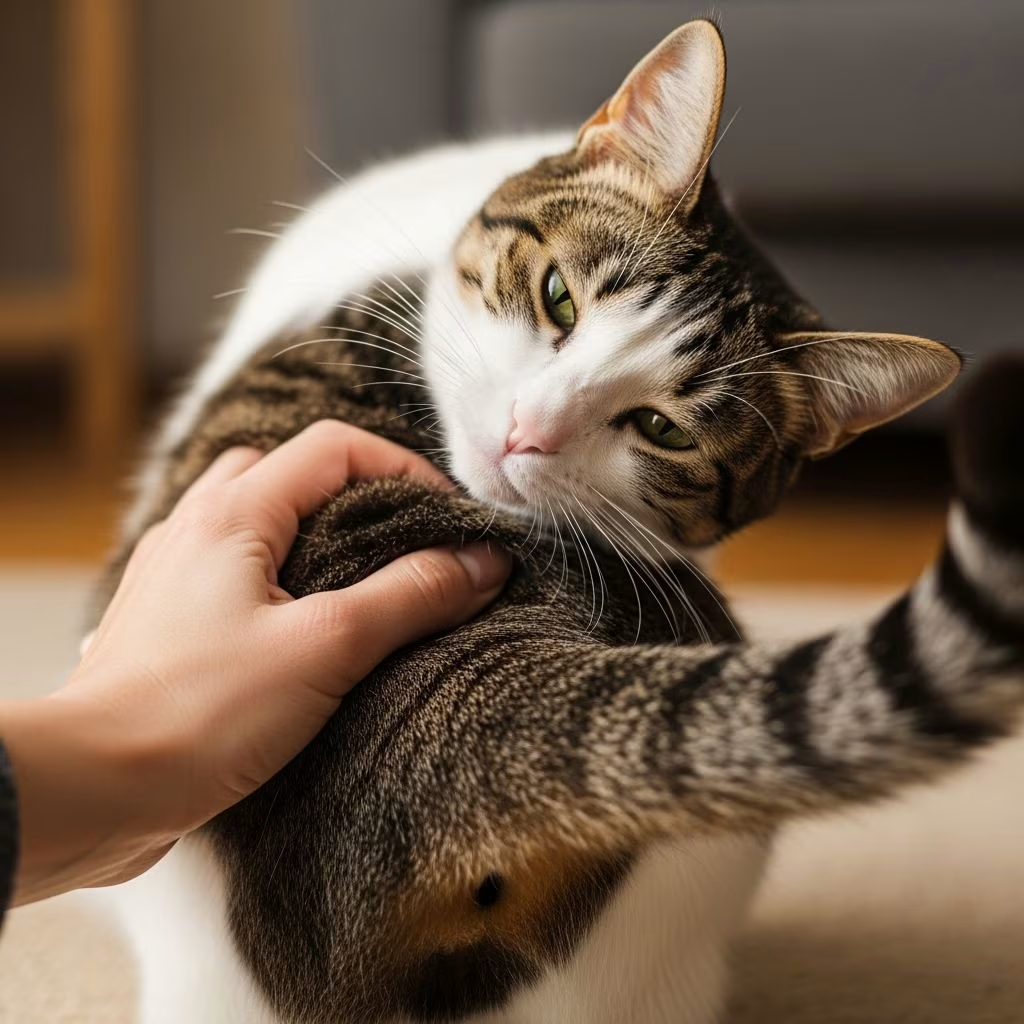
Cats often display a peculiar behavior known as “elevator butt,” where they raise their rear ends high when you pet or scratch near the base of their tail. This action, while amusing to owners, stems from a combination of biological, instinctual, and affectionate reasons. Understanding it helps strengthen the bond with your feline friend while ensuring their comfort and health.
Reasons Why Cats Raise Their Butts When You Scratch Them
The phenomenon of cats lifting their butts during petting sessions is multifaceted. It involves heightened sensitivity in certain areas, deep-seated instincts, and even hormonal influences. Here’s a breakdown of the primary causes.
1. Nerve Endings at the Base of the Tail
The region at the base of a cat’s tail is packed with nerve endings, making it an exceptionally sensitive spot. Scratching here releases feel-good hormones like dopamine and oxytocin, creating a blissful sensation akin to a natural massage. For many cats, this triggers an instinctive response to arch their backs and elevate their hindquarters, enhancing the stimulation.
This sensitivity explains why some cats purr loudly or even “dance” with their butts in the air. However, individual preferences vary; what delights one cat might overstimulate another, leading to signs of discomfort like skin twitching or sudden aggression.
2. Instinctual Grooming Behavior from Kittenhood
Cats revert to kitten-like behaviors when petted. Mother cats groom their offspring around the hindquarters to stimulate elimination and cleanliness. When you scratch a cat’s butt area, it mimics this maternal tongue action, prompting the cat to lift its rear as it did as a kitten to facilitate grooming.
This ingrained instinct persists into adulthood, especially during bonding moments with trusted humans. It’s a sign of comfort and regression to a secure, cared-for state.
3. Scent Glands and Communication
Located near the tail base are scent glands that cats use for marking territory and communicating. Raising the butt exposes these glands, allowing the release of pheromones. When petting occurs, this elevation helps spread their scent onto you, signifying acceptance into their social circle.
This behavior reinforces trust and affiliation, as cats rarely expose such vulnerable areas to strangers.
4. Lordosis: A Mating Posture
Known scientifically as lordosis, this butt-raising is a reproductive posture more pronounced in females, particularly unspayed ones in heat. During mating, females arch their backs and elevate their hindquarters to signal readiness, while males grasp the neck.
Even spayed cats or males may exhibit this due to residual instincts. Unspayed females in heat show exaggerated displays, accompanied by yowling, rolling, and spraying. Spaying prevents these cycles, reducing such behaviors and health risks.
5. Attention-Seeking and Affection Requests
Cats are adept at training humans. If butt-raising garners pets or attention—diverting you from your phone or tasks—they’ll repeat it. This learned behavior combines with genuine enjoyment, as owners often respond by scratching harder, reinforcing the cycle.
Failure to meet physical or mental needs can amplify this, turning it into a demand for interaction.
Do All Cats Like Butt Scratching?
Not every cat enjoys butt scratches. While many revel in the sensation, others find it overstimulating or irritating. Watch for cues:
- Purring, kneading, or butt dancing: They love it.
- Skin rippling, tail lashing, or sudden bites: Stop immediately; it may signal overstimulation or conditions like feline hyperesthesia syndrome, causing pain from hypersensitivity.
- Pulling away or flattened ears: Respect their boundaries to avoid trust erosion.
Individual temperament, past experiences, and health play roles. Always pet gently and observe reactions.
Safe Places to Pet Your Cat
To keep your cat happy, focus on preferred zones. Avoid forcing touch in disliked areas. Common likes and dislikes include:
| Preferred Spots | Why They Like It | Avoid or Proceed with Caution | Why Avoid |
|---|---|---|---|
| Base of tail / lower back | Nerve-rich; feels euphoric | Belly | Vulnerable organs; defensive |
| Cheeks, chin | Scent gland bliss | Paws, legs | Highly sensitive; ticklish |
| Head (gently) | Comforting like grooming | Full tail | Overstimulating |
| Sides (lightly) | Relaxing for some | Top of skull (hard pats) | Too intense |
Use slow strokes, following the fur direction. Sessions of 5-10 minutes prevent overstimulation.
Is It Bad If My Cat Doesn’t Like Butt Scratching?
No, it’s perfectly normal. Cats have unique preferences shaped by genetics, socialization, and health. Forcing it can lead to stress or aggression. Instead, identify their favorites through trial and positive reinforcement. A cat that dislikes it isn’t rejecting you—it’s just wired differently.
Why Is My Cat Dragging Its Butt on the Floor?
Unlike joyful elevator butt, scooting or dragging indicates discomfort, not pleasure. Common causes:
- Stuck feces or debris: Long-haired cats prone; gently clean with warm water.
- Tapeworms: Visible segments near anus; deworming needed.
- Allergies or fleas: Itchy skin; vet for prevention.
- Anal gland issues: Impacted glands cause pain; expression required.
- Masses or prolapse: Serious; immediate vet visit.
Persistent scooting warrants a vet exam to rule out infections or parasites.
Can You Train Your Cat to Stop Doing Elevator Butt?
While instinctual, you can redirect:
- Ignore or stay neutral: No reaction discourages repetition.
- Teach alternatives: Reward head pets or play with treats/toys.
- Meet needs: Provide enrichment like scratching posts, puzzles.
- Spay/neuter: Reduces heat-related displays.
Avoid punishment, as it reinforces via attention. Patience yields calmer interactions.
Frequently Asked Questions (FAQs)
Why do cats stick their butts in your face?
This “elevator butt” signals trust, affection requests, or instinctual responses to petting near sensitive nerves. It’s their way of saying, “More please!” or marking you with scent.
Is elevator butt a sign my cat is in heat?
Often yes for unspayed females, combined with vocalizing and rolling. Spaying eliminates cycles.
What if my cat suddenly hates butt scratches?
Could indicate pain, hyperesthesia, or stress. Monitor and consult a vet if behavior changes abruptly.
How can I stop my cat from scooting its butt?
Check for parasites, clean the area, and see a vet for anal glands or allergies.
Do male cats raise their butts too?
Yes, though less frequently than females; it’s tied to general instincts and enjoyment.
Key Takeaways on Cat Butt Behavior
- Enjoyment: Nerve sensitivity and hormones make it pleasurable for many.
- Trust indicator: Exposing the rear shows deep bond.
- Health check: Distinguish fun raising from painful dragging.
- Respect limits: Read body language to avoid overstimulation.
Embracing these quirks enhances cat-human relationships, promoting mutual respect and joy.
References
- \“Elevator Butt”? Why Cats Raise Their Butts All the Time — Rover.com. 2023. https://www.rover.com/blog/why-do-cats-raise-their-butts-when-scratched/
- Cat Dragging Butt? 6 Common Causes and How To Stop — PetMD. 2024. https://www.petmd.com/cat/symptoms/cat-dragging-butt
- Why Do Cats Like Butt Pats? — Purina US. 2023. https://www.purina.com/articles/cat/behavior/understanding-cats/why-do-cats-like-butt-pats
- Why Does a Cat Raise Butt When Petted? — OVRS. 2022. https://www.ovrs.com/blog/why-does-a-cat-raise-butt-when-petted/



