

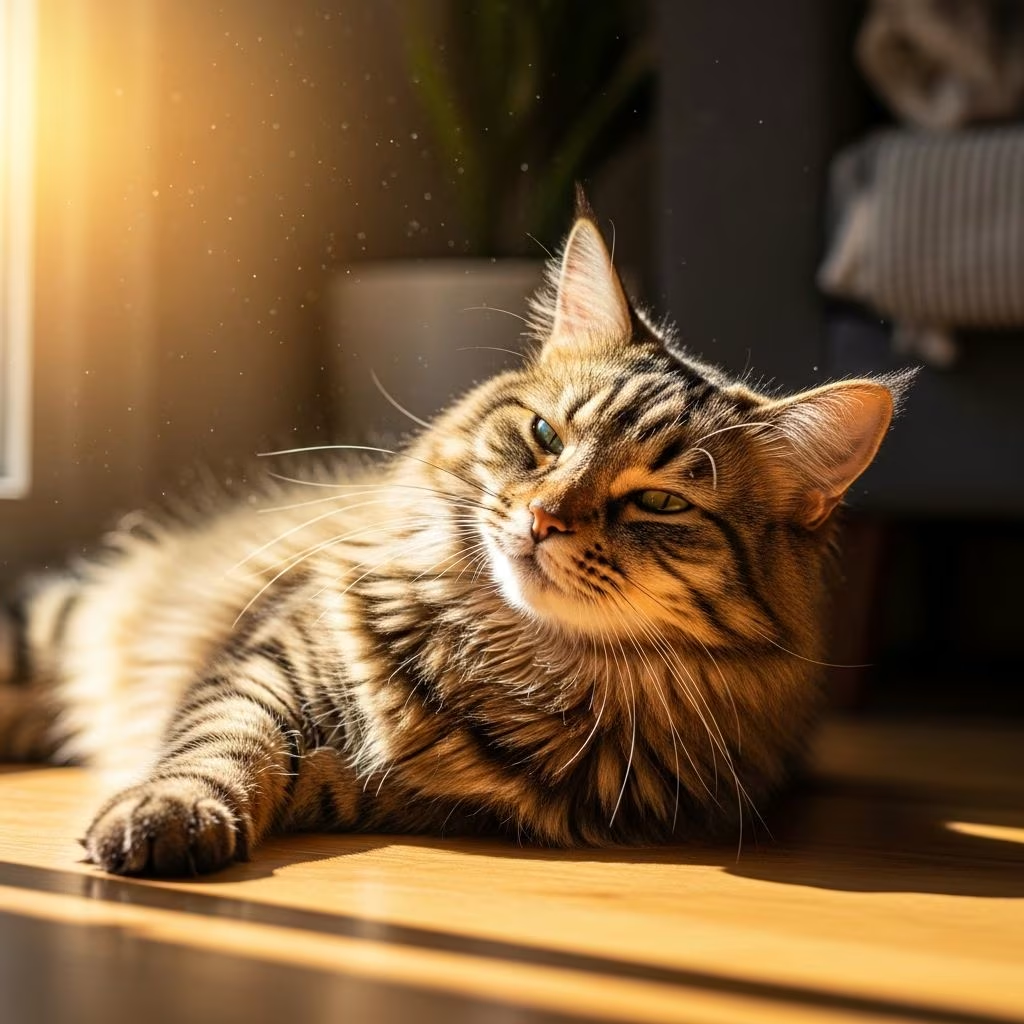
Cats’ affinity for sunlight is a captivating aspect of their behavior, rooted in instinct, physiology, and comfort. Whether sprawling across a sunlit windowsill or chasing sunbeams, felines worldwide exhibit this sun-loving trait, even on warmer days. This article delves into the science behind why cats seek out sunny spots, the benefits they gain, potential dangers, and practical tips for ensuring safe sunbathing. Understanding these behaviors helps cat owners provide an optimal environment for their pets’ well-being.
Why Do Cats Like the Sun? 6 Vet-Verified Reasons
Cats are naturally drawn to sunlight for multiple interconnected reasons, primarily revolving around their unique physiology and evolutionary history. Their normal body temperature ranges from 100.5°F to 102.5°F (38°C to 39°C), significantly higher than humans’, making warm spots essential for comfort and energy efficiency.
Sunbathing allows cats to externally regulate their body heat without expending metabolic energy, a crucial adaptation from their desert-dwelling ancestors who conserved energy for hunting. Veterinarians note that this behavior mimics wild cats like lions, who lounge in the sun between hunts to maintain optimal temperature.
- Warmth and Comfort: Sunny patches provide passive heating, soothing muscles and joints, especially for senior cats with arthritis.
- Energy Conservation: By absorbing external heat, cats preserve calories otherwise used for internal thermoregulation.
- Mood Enhancement: Sunlight stimulates serotonin production, the ‘feel-good’ hormone, promoting relaxation and reducing stress.
- Circadian Rhythm Regulation: Natural light helps align sleep-wake cycles, improving overall rest patterns.
- Instinctual Behavior: Inherited from warm-climate origins, sun-seeking is deeply embedded in feline DNA.
- Relaxation and Grooming: Warmth encourages stretching, grooming, and playful activities, enhancing mental stimulation.
Unlike humans, cats do not synthesize vitamin D from sunlight; they rely entirely on diet for this nutrient, debunking a common myth.
The Science Behind Cats’ Love for the Sun
From a biological standpoint, cats’ high metabolic rates cause rapid heat loss, prompting them to seek sunlight to stabilize core temperature efficiently. Studies on feline thermoregulation show that sun exposure reduces the energy demands of shivering or increased heart rate in cooler environments.
Serotonin release in sunlight exposure parallels human benefits, fostering contentment and potentially bolstering immune function indirectly through reduced stress. Additionally, the warmth alleviates osteoarthritis symptoms by improving joint mobility, as heat therapy is a recognized veterinary aid for arthritic cats.
Evolutionary biology further explains this: Domestic cats descend from African wildcats in arid regions, where sunlight was abundant and vital for survival. Modern indoor cats retain this tropism toward light and heat, turning homes into savannas via window perches.
Is Sunbathing Good for Cats?
Moderate sunbathing offers tangible health perks without the vitamin D dependency seen in humans. Key advantages include:
- Joint pain relief for older or arthritic cats through soothing warmth.
- Mood elevation via serotonin, leading to calmer, happier pets.
- Regulated sleep cycles for better nocturnal activity patterns.
- Encouragement of natural behaviors like grooming and play.
However, balance is key; while beneficial, excessive exposure introduces risks that outweigh gains if unmanaged. Veterinary consensus supports supervised sun time as part of holistic care.
Risks of Too Much Sun Exposure for Cats
Despite its appeals, prolonged sunbathing poses hazards, particularly during peak UV hours (10 AM to 4 PM). Cats’ thin skin and fur offer limited protection, amplifying vulnerabilities.
| Risk | Description | At-Risk Cats | Symptoms |
|---|---|---|---|
| Sunburn | UV rays damage exposed skin, causing burns | Hairless, white/light-furred | Redness, tenderness on ears/nose/belly |
| Skin Cancer | Chronic exposure leads to squamous cell carcinoma | Light-colored, ear tips | Ulcers, scabs, lesions |
| Overheating/Heat Stroke | Body temp exceeds 103°F, dehydration follows | Long-haired, brachycephalic | Panting, lethargy, drooling, warm paws |
| Dehydration | Excessive panting increases fluid loss | All, especially outdoors | Dry gums, sunken eyes |
Indoor cats face similar perils through unfiltered windows, as standard glass transmits UVA/UVB rays. White cats are predisposed to cancer, with studies showing higher incidence in sun-exposed areas.
How to Keep Your Cat Safe in the Sun
Promote safe sunbathing with proactive measures to harness benefits minus risks.
- Provide Shade and Options: Offer sunny and shaded spots, like beds near windows with curtains.
- Limit Peak Exposure: Restrict outdoor time from 10 AM-4 PM; use UV-blocking screens indoors.
- Cat-Safe Sunscreen: Apply vet-approved products to ears, nose, and belly for vulnerable cats.
- Hydration Stations: Multiple fresh water sources, fountains to encourage drinking.
- Grooming and Monitoring: Regular checks for skin changes; trim long fur for breathability.
- Enriched Environment: Rotate sunny perches to prevent overuse of one spot.
For outdoor cats, enclosed patios or leashed walks during cooler times ensure safety. Senior or health-compromised cats benefit from vet consultations before extended sun time.
Why Do Cats Lay in the Sun When It’s Hot?
Owners puzzle over cats sunning in hot weather due to felines’ elevated thermal tolerance. Cats thrive in 86°F-97°F (30°C-36°C) environments, far warmer than human comfort zones, allowing sun-lounging without distress.
This tolerance stems from efficient panting, grooming-induced evaporation, and fur insulation. However, ambient temps above 100°F strain even cats, underscoring shade necessity. Instinct drives them to ‘store’ heat for cooler nights, a survival holdover.
Conclusion
Cats’ sun-loving nature blends instinct, physiology, and pleasure, offering warmth, relaxation, and mood boosts. By mitigating risks like sunburn and heatstroke through smart management, owners enable this joyful behavior safely. Embrace your cat’s solar pursuits mindfully for a happier, healthier companion.
Frequently Asked Questions
Why Do Cats Love Sunbathing?
Cats sunbathe for warmth to maintain their high body temperature (100.5-102.5°F), conserving energy and promoting relaxation via serotonin release.
Do Cats Need Sunlight for Vitamin D?
No, cats obtain vitamin D solely from diet; sunlight does not trigger synthesis like in humans.
Can Cats Get Sunburned?
Yes, especially light-furred or hairless cats on ears, nose, and belly; use pet-safe sunscreen and limit exposure.
Is Too Much Sun Harmful to Cats?
Excessive sun risks sunburn, skin cancer, overheating, and dehydration; provide shade and water.
How Does Sunlight Affect a Cat’s Mood?
Sunlight boosts serotonin, enhancing mood, reducing anxiety, and improving contentment.
Why Do Cats Sit in the Sun When It’s Hot?
Their ideal temperature is much higher than humans’; they tolerate and seek heat efficiently.
References
- Why Cats Love to Sunbathe—And When It Can Be Dangerous — Volvethosp. 2023-06-15. https://www.volvethosp.com/blog/why-cats-love-to-sunbathe-and-when-it-can-be-dangerous/
- Why Your Cat Is Obsessed With Sunbathing — Kinship. 2024-05-20. https://www.kinship.com/cat-behavior/why-do-cats-love-to-sunbathe
- Do Cats Need Sunlight? Understanding Cat Sunbathing — Welltayl. 2024-03-10. https://welltayl.com/blogs/news/do-cats-need-sunlight
- Why Your Cat Loves Sunbathing & How to Keep Them Safe — YMOAs. 2024-07-01. https://ymoas.com/blogs/insight-center/cat-sunbathing
- Why Do Cats Lay in the Sun When It’s Hot — Catster. 2023-08-12. https://www.catster.com/cat-behavior/why-do-cats-lay-in-the-sun-when-its-hot/
- The Benefits of Sunbathing for Cats — Pet Krewe. 2024-02-28. https://petkrewe.com/blogs/trends/the-benefits-of-sunbathing-for-cats



