

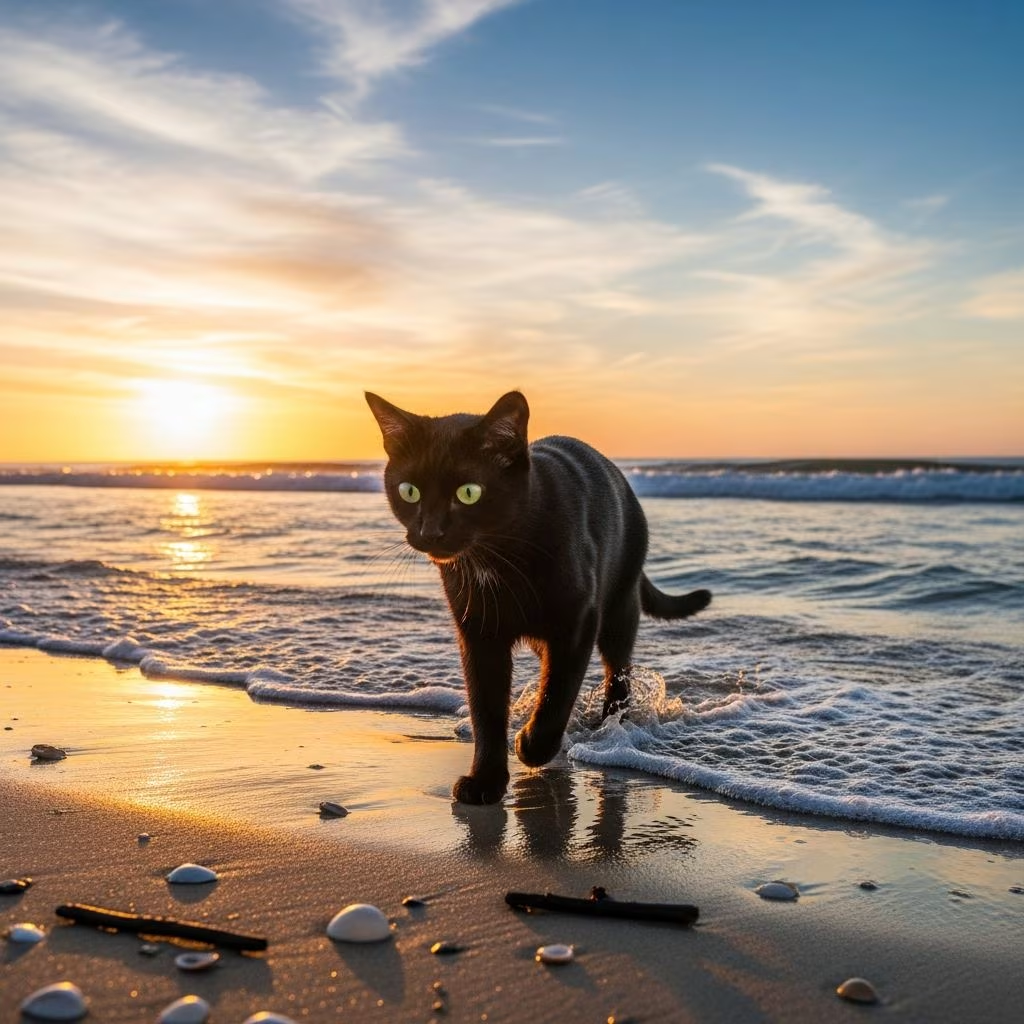
Cats are often seen as indoor creatures who prefer cozy laps over sandy shores, but many felines surprisingly thrive at the beach. While not all cats will love the ocean breeze and crashing waves, those with adventurous spirits can find the beach stimulating and fun. This article dives into feline beach preferences, practical considerations for taking your cat seaside, safety protocols, and engaging activities to make the trip memorable for both you and your kitty.
Do Cats Actually Like Going to the Beach?
The short answer is yes—sort of. It really depends on the individual cat’s personality and past experiences. Generally, cats love being outdoors as long as they feel safe and secure in their environment. Indoor cats might initially find the vast openness, salty air, and unfamiliar sounds overwhelming, but social, confident cats often embrace the novelty. Observations from pet owners show that about 21% of cat parents travel with their felines, indicating a growing trend of beach vacations with cats. Factors like curiosity about new textures (sand, shells), scents (seaweed, fishy smells), and the warmth of sunbaked sand can make the beach appealing. However, skittish cats may hide or show stress through hissing, flattened ears, or excessive grooming.
To gauge your cat’s potential enjoyment, consider their reaction to car rides, new environments, and outdoor exposure at home. Bold explorers who enjoy window perching or leash walks are prime candidates for beach bliss, while nervous nellies might prefer staying home with a sitter.
Are Cats Allowed at the Beach?
Cats are allowed at the beach as long as the location is explicitly pet-friendly. Not all beaches permit pets, so thorough research is essential. Start with a Google search for ‘pet-friendly beaches near me’ and filter for cat-inclusive spots, as some ‘pet-friendly’ designations primarily accommodate dogs. Always call ahead to confirm policies, as rules can change seasonally or due to local ordinances. Popular pet beaches often require proof of vaccinations, leashes, and waste cleanup.
In the U.S., examples include Huntington Dog Beach in California or Fort De Soto Park in Florida, which welcome leashed cats alongside dogs. Internationally, spots like Barry Island Beach in Wales have cat-friendly zones. Check for signage upon arrival and respect no-pet areas to avoid fines.
Off-Leash Hours
Many dog beaches designate specific off-leash hours, allowing canines to roam freely. These times vary by location—often early mornings or evenings—but they pose significant risks for cats. Prey-driven dogs might chase a scampering feline, leading to stress or injury. If visiting during off-leash periods, prioritize your cat’s safety with a portable cat tent or enclosed playpen. These provide fresh sea air while creating a secure bubble amid frolicking pups. Brands like the Kitty Tent offer lightweight, breathable options perfect for sandy setups.
Should I Take My Cat to the Beach?
Deciding to bring your cat to the beach hinges on their temperament and your preparation. Social butterflies who love people-watching and novel stimuli could have the time of their lives digging in sand or basking in the sun. Conversely, anxious cats in crowded, noisy settings spell disaster—expect scratches, howls, and a hasty retreat.
Key pre-trip considerations include:
- Vaccines: Ensure up-to-date rabies vaccination; carry records as some beaches require proof.
- Transportation: Assess car ride tolerance—long trips can induce vomiting or yowling. Use calming aids like Feliway sprays if needed.
- Health Check: Consult a vet for parasites, as beaches harbor sand fleas and hookworms.
- Weather: Avoid extreme heat; cats overheat faster than humans.
Cat-Friendly Beach Activities
Once at the beach, keep boredom at bay with tailored activities. Cats won’t fetch frisbees like dogs, but they excel at:
- People-watching from a shaded perch.
- Sunbathing on a towel.
- Climbing rocks or driftwood.
- Digging in soft sand (nature’s litter box!).
- Chasing feather toys or laser pointers.
- Snacking on treats or wet food pouches.
These low-key pursuits tap into natural instincts, turning the beach into a playground.
Keeping Your Kitty Cool
Beaches are hot, humid, and shade-scarce, challenging for cats with limited sweat glands (they pant and groom to cool off). Schedule visits for mornings or early evenings when UV rays are milder and sand isn’t scorching paw pads. Provide portable shade via umbrellas or tents, and always pack fresh water—cats dehydrate quickly in salt air. Wet bandanas around the neck or cooling mats offer relief. Monitor for heatstroke signs: lethargy, drooling, rapid breathing. Limit sessions to 1-2 hours initially.
Additional Beach Safety Tips for Cats
Safety first ensures fun for all. Essential tips include:
- Leash and Harness: Never free-range; use escape-proof gear to prevent bolting toward waves or birds.
- Enclosure: Tents or carriers with roofs shield from sun, wind, and gulls.
- Poop Bags: Clean up promptly—beaches aren’t infinite litter boxes.
- Scent Items: Bring blankets or toys with home smells for comfort.
- Avoid Crowds: Opt for weekdays or off-peak times.
- No Forcing: Watch for stress cues like tail thrashing, hiding, or vocalizing—pack up if seen.
- Hazards: Steer clear of sharp shells, jellyfish, seaweed (which can cause blockages), and saltwater ingestion, which leads to dehydration.
- ID and Microchip: Ensure collar tags and microchip for lost cats.
For swimming: Most cats aren’t natural swimmers and dislike water; keep them dry-land bound.
Frequently Asked Questions (FAQs)
Can cats swim in the ocean?
Most cats are not natural swimmers and may find the ocean intimidating. It’s best to keep them on dry land and avoid letting them swim.
Is saltwater dangerous for cats?
Yes, ingesting saltwater can lead to dehydration and harm the digestive system. Always provide ample fresh water.
How can I tell if my cat is stressed at the beach?
Signs include excessive vocalizing, panting, hiding, flattened ears, or dilated pupils. Find shade or head home if observed.
What should I pack for a cat beach trip?
Essentials: harness/leash, portable tent, water bowl, treats, poop bags, vet records, cooling mat, toys, and familiar bedding.
Are there beaches just for cats?
Rarely, but many dog beaches allow leashed cats. Research pet-friendly spots and confirm cat policies by phone.
Conclusion
Taking your cat to the beach can be a rewarding adventure that strengthens your bond and provides enrichment. While not every feline is a beach bum, prepared owners with confident cats report joyful outings filled with exploration and relaxation. Weigh your cat’s personality against the logistics, follow safety protocols, and start small. You won’t know until you try—your kitty might just become a sand-pawing pro! With the right setup, beach days create lasting memories amid sun, sea, and purrs.
References
- Do Cats Actually Like Going to the Beach? Feline Preferences — Hepper. 2023. https://articles.hepper.com/cats-like-going-to-the-beach/
- Can I bring my cat to the beach safely? — Dial A Vet. 2024. https://www.dialavet.com/vet-answers/bring-cat-to-beach-safely-50998



