

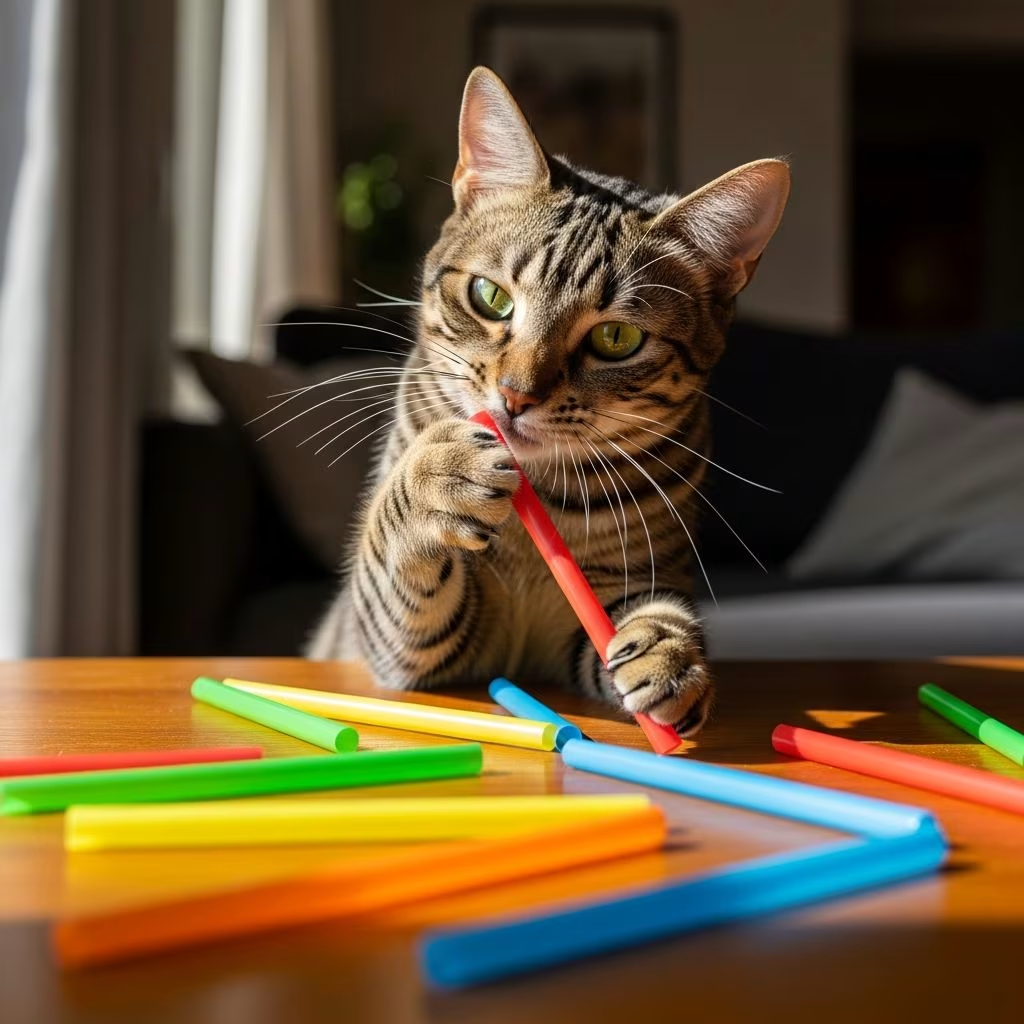
Cats exhibit a peculiar fascination with straws, often seen batting at them, chewing on them, or carrying them around like prized possessions. This behavior stems from a combination of sensory stimulation, instinctual play, and sometimes underlying health issues. Understanding these motivations helps cat owners provide safer alternatives and monitor for potential problems.
The Sensory Appeal of Straws to Cats
Straws captivate cats through multiple senses. The smooth, flexible texture provides a satisfying feel under paws and teeth, mimicking the sensation of prey. When manipulated, straws produce crinkling or whistling sounds that trigger a cat’s acute hearing, heightening their interest.
- Texture: The bendable plastic or paper glides smoothly, appealing to a cat’s need to knead and manipulate objects.
- Sound: Subtle noises from bending or sucking air excite their predatory instincts.
- Movement: Straws wiggle enticingly when dropped, simulating live prey.
Materials in straws, especially those with cornstarch or biodegradable additives, can emit faint scents or flavors that cats find intriguing, similar to why they chew plastic bags.
Instinctual Play and Hunting Behaviors
Cats are natural hunters, and straws fulfill play-hunting urges. The lightweight, elongated shape resembles worms, snakes, or rodents, prompting pouncing, chasing, and batting. This play reinforces their physical skills and mental stimulation.
In multi-cat households, straws become “trophies,” carried around to display prowess or guard from others, echoing wild territorial behaviors.
| Behavior | Why Straws Fit | Wild Counterpart |
|---|---|---|
| Pouncing | Erratic movement | Ambush hunting |
| Carrying | Easy to grip | Prey transport |
| Chewing | Flexible texture | Dismantling kills |
Taste and Scent Attraction
Straws often retain flavors from beverages like milk or juice, which linger and attract cats. Biodegradable straws made with cornstarch or gelatin provide a subtle edible appeal, explaining why cats lick or chew them. Grocery-related plastics carry meat or fish scents, amplifying this draw.
However, this taste-driven chewing can indicate nutritional gaps, such as anemia, prompting cats to seek out textured or flavored non-food items.
Pica: When Chewing Becomes Compulsive
Pica is an eating disorder where cats consume inedible objects like straws. Unlike casual play, pica involves obsessive chewing and ingestion, risking blockages or toxicity. Causes include:
- Medical: Dental pain, gastrointestinal issues, or nutrient deficiencies.
- Psychological: Stress from new environments, other pets, or boredom.
- Genetic: Breeds like Siamese are prone due to inherited tendencies.
If straw chewing persists, consult a vet to rule out health issues. Early intervention prevents serious complications like intestinal obstructions requiring surgery.
Health Risks of Straw Chewing
While entertaining, straws pose dangers. Sharp pieces can cut mouths or throats; swallowed fragments lead to choking, vomiting, or life-threatening blockages. Plastic chemicals may leach toxins, affecting long-term health.
- Immediate risks: Choking, lacerations.
- Long-term: Obstructions, infections.
Monitor closely and remove access to prevent vet visits.
Why Some Cats Love Straws More Than Others
Not all cats fixate on straws equally. Kittens explore more due to teething; seniors may chew from cognitive decline. High-energy breeds like Bengals seek stimulation, while anxious cats self-soothe via oral fixation.
Environmental factors matter: Bored indoor cats amplify quirky habits, lacking outdoor outlets.
Safe Alternatives to Satisfy Your Cat’s Straw Obsession
Redirect energy with cat-safe toys mimicking straw appeal:
- Feather wands: For hunting simulation.
- Crinkle balls: Noise without danger.
- Chew toys: Vet-approved rubber or fabric.
- Paper tubes: Larger, safer crinkle fun.
- Interactive puzzles: Mental engagement.
Increase playtime to 15-20 minutes daily, rotate toys, and provide perches for environmental enrichment.
How to Stop or Discourage Straw Chewing
Prevention is key:
- Remove temptation: Store straws out of reach.
- Supervise: Intervene during play.
- Positive reinforcement: Reward toy use with treats.
- Enrich environment: Add scratching posts, windowsill seats.
- Vet check: For persistent cases.
Deterrents like bitter sprays work short-term but address root causes for lasting change.
Reader Questions Answered
Common queries from cat owners:
- Is it normal for cats to play with straws? Yes, it’s common and instinct-driven, but watch for excess.
- Why does my cat carry straws in her mouth? Mimics prey capture and territorial signaling.
- Are paper straws safer than plastic? Somewhat, as they disintegrate faster, but still not for ingestion.
Frequently Asked Questions (FAQs)
Why do cats like the sound of straws?
The crinkling or air-sucking noise mimics prey rustles, exciting their hunting reflexes.
Can straw chewing indicate health problems?
Yes, it may signal pica from anxiety, dental issues, or deficiencies; vet evaluation is advised.
How can I safely let my cat play with straws?
Supervise closely, use larger pieces, and remove if chewing starts.
Why do some cats eat straws?
Taste from residues or pica compels ingestion; provide alternatives promptly.
Is straw obsession breed-specific?
Oriental breeds like Siamese show higher pica rates, but any cat can develop it.
References
- Why Cats Like to Chew on Plastic—and How to Stop Them — Mental Floss. 2021-06-15. https://www.mentalfloss.com/article/645345/why-cats-chew-plastic-how-to-stop-them
- Why Does My Cat Like Chewing on Plastic? — Vetstreet (Chewy). 2019-08-20. https://www.vetstreet.com/our-pet-experts/why-does-my-cat-like-to-chew-plastic



