

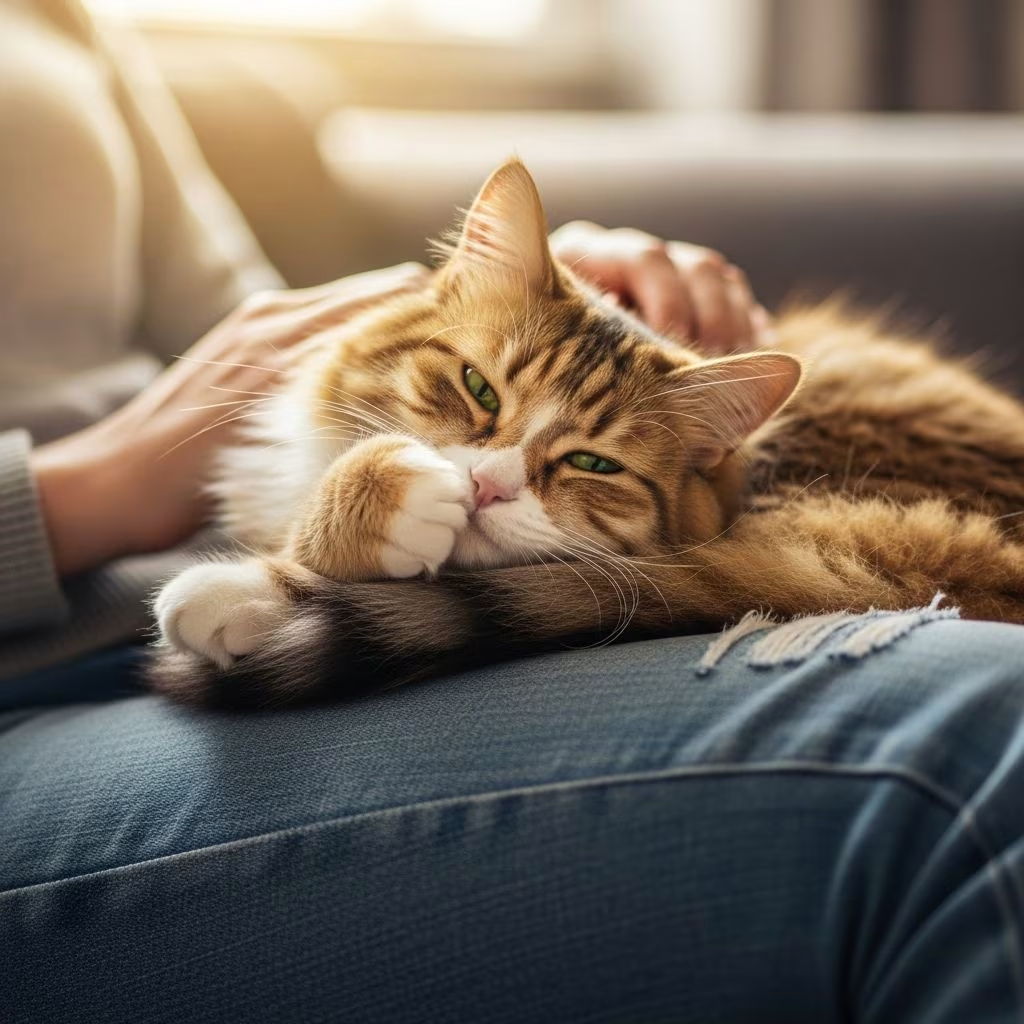
Why Do Cats Like Sitting on Laps: Understanding Feline Behavior
If you’ve ever had a cat curl up on your lap and drift off to sleep, you’ve experienced one of the most heartwarming moments of pet ownership. But have you ever wondered why your feline friend finds your lap so irresistible? The answer lies in a combination of physical comfort, emotional security, and behavioral bonding that makes your lap the perfect spot for many cats. Understanding these reasons not only deepens your appreciation for your cat’s affection but also helps you provide better care and create a stronger connection with your furry companion.
The Primary Reasons Cats Sit on Laps
Warmth and Comfort
One of the most fundamental reasons cats gravitate toward human laps is the simple matter of warmth. Unlike humans, cats have a higher body temperature ranging from 100.5 to 102.5 degrees Fahrenheit, which means they naturally seek out warm environments. Your lap acts as a personal heating pad, providing the cozy warmth that cats crave. The soft texture of your clothing adds another layer of comfort, creating an inviting nest that feels like the perfect place to rest and relax. Cats are drawn to warm spots throughout their homes—radiators, sunny windowsills, and heating vents—so it’s only natural that they’re equally attracted to the living heat source that is your lap.
Security and Safety
Beyond physical warmth, your lap represents a sanctuary of safety for your cat. When a cat sits on your lap, they’re in an elevated position that allows them to survey their surroundings while feeling protected by your presence. This position mimics the natural instincts cats developed as both predators and prey in the wild. Being held or sitting with a trusted human creates a sense of security that helps reduce stress and anxiety. Your familiar scent, which your cat recognizes as part of their family group, further reinforces this feeling of safety and belonging. For indoor cats especially, your lap becomes a secure refuge where they can relax without worrying about potential threats.
Bonding and Affection
When your cat chooses to sit on your lap, it’s fundamentally an expression of trust and affection. Cats are selective creatures and will only sit on people they genuinely like and trust. By placing themselves in such a vulnerable position—curled up and unable to quickly escape—they’re communicating that they feel safe and secure with you. This behavior signals a deep bond between you and your feline companion. Your lap becomes a prime location for the positive interaction that cats cherish, including gentle petting and the soothing sound of your voice. Some cats even knead their paws while sitting on your lap, a behavior that harkens back to their kitten days when they would knead their mothers to stimulate milk flow. This self-comforting behavior demonstrates an even deeper level of contentment and trust.
Scent Reinforcement and Family Bonding
Cats have an incredible sense of smell, and your scent is deeply meaningful to them. When your cat sits on your lap, they’re not just seeking warmth—they’re reinforcing the group scent that binds your family together. By rubbing against you and transferring their scent onto your clothing and body, cats engage in a form of olfactory communication that strengthens your bond. This behavior is particularly important in multi-cat households, where cats work to maintain a unified family scent. Your familiar smell becomes a source of comfort and reassurance, especially during times of stress or change.
Additional Factors That Influence Lap-Sitting Behavior
Breed and Temperament
Not all cats are lap cats, and much of this variation comes down to breed and individual personality. Certain breeds, such as Ragdolls, Maine Coons, and Persians, are known for their cuddly and affectionate tendencies and are more likely to be lap cats. However, individual temperament plays an equally important role. Some cats are naturally more independent or may not have been well-socialized as kittens, which can influence their willingness to sit on laps. Understanding your cat’s unique personality helps you appreciate their individual style of showing affection, whether that’s through lap-sitting or other behaviors.
Routine and Familiarity
Cats are creatures of habit, and they often incorporate lap-sitting into their daily routines. If your cat has learned that sitting on your lap during a particular time of day—perhaps when you’re relaxing after work or during evening television time—they may seek out this interaction as part of their established schedule. This consistent routine provides cats with a sense of predictability and security. The familiarity of your lap as a comfortable and reliable spot reinforces the behavior over time, making it a regular part of your cat’s day.
Attention and Positive Reinforcement
Some cats sit on their owners’ laps because they’ve learned that this behavior brings positive rewards. When you pet a cat sitting on your lap, provide treats, or engage in interactive play, you’re reinforcing the behavior and encouraging them to return. Cats are intelligent animals that quickly learn which behaviors elicit the responses they desire from their humans. If your cat has discovered that sitting on your lap leads to affection and attention, they’re likely to repeat the behavior regularly.
Why Some Cats Don’t Sit on Laps
Physical Discomfort and Age
It’s important to recognize that not all cats enjoy sitting on laps, and there are valid reasons for this preference. Elderly cats or those with joint pain and arthritis may find sitting on a lap uncomfortable or even painful. The act of jumping onto and sitting on a lap requires effort and flexibility that some cats simply don’t have, especially as they age. Understanding these physical limitations helps cat owners avoid frustration and find alternative ways to bond with their senior feline companions.
Individual Preference and Independence
Some cats are simply more independent or prefer to show affection from a distance. This doesn’t mean these cats don’t love their owners—they simply express their affection differently. Some cats may enjoy sitting nearby rather than on your lap, or they may prefer play and interactive activities over physical contact. Just as humans have different comfort levels with physical touch, cats have their own preferences for how close they want to be to their owners. Respecting these preferences actually strengthens your relationship with your cat.
Overstimulation and Stress
For some cats, especially those with anxiety or overstimulation sensitivity, prolonged lap-sitting can be stressful. Cats have specific limits for how much physical contact they can tolerate before becoming uncomfortable. If a cat becomes restless, twitches their tail, or shows signs of displeasure, they’re communicating that they need space. Recognizing and respecting these signals is crucial for maintaining a positive relationship with your cat.
How to Encourage Lap-Sitting Behavior
Create a Welcoming Environment
If you’d like to encourage your cat to sit on your lap, start by creating an inviting environment. Wear comfortable, soft clothing that appeals to your cat’s tactile preferences. Sit in a relaxed position that signals you’re not going anywhere, as cats are more likely to settle down when they sense you’re in a peaceful state. Consistency matters—try to be available at regular times when your cat might be inclined to sit with you.
Use Positive Reinforcement
Reward your cat when they sit on your lap with gentle petting, treats, or calm interaction. Build positive associations with lap-sitting so your cat learns that this behavior brings good things. However, it’s equally important to respect your cat’s boundaries and allow them to leave when they want to. Forcing a cat to stay on your lap will only create negative associations.
Understand Your Cat’s Signals
Pay close attention to your cat’s body language and behavioral cues. A relaxed cat sitting on your lap will have soft eyes, a gently swaying tail, and may purr contentedly. Conversely, a cat that’s uncomfortable might have flattened ears, a twitching tail, or show signs of restlessness. Learning to read these signals helps you provide the kind of interaction your cat actually wants.
The Health and Emotional Benefits
Beyond the obvious comfort and bonding aspects, lap-sitting provides significant health and emotional benefits for both cats and humans. For cats, sitting on a trusted human’s lap helps reduce anxiety and stress, contributing to better overall health and well-being. For humans, the experience of having a purring cat on your lap has been shown to lower blood pressure and stress levels. This mutually beneficial interaction strengthens the human-animal bond and creates a therapeutic experience for both parties.
Frequently Asked Questions
Q: Why does my cat sit on my lap but not on other family members’ laps?
A: Cats are selective about who they sit with and typically choose the person they trust most or spend the most time with. Your cat may also gravitate toward whoever feeds them, plays with them most, or has a scent they particularly enjoy. Some cats also prefer people who are less pushy and respect their boundaries.
Q: Is it a sign of affection if my cat sits on my lap?
A: Yes, absolutely. When a cat chooses to sit on your lap, especially if they knead or purr while doing so, it’s a clear sign of affection and trust. Your cat is communicating that they feel safe with you and that you’re their favorite person.
Q: Why does my cat sometimes knead on my lap?
A: Kneading is a self-comforting behavior that mimics what kittens do when nursing from their mothers. When an adult cat kneads on your lap, it’s a sign of deep contentment and comfort. It indicates your cat views you as a source of security and warmth.
Q: What should I do if my cat wants to leave my lap?
A: Always allow your cat to leave whenever they want. Forcing them to stay will create negative associations with lap time. Respecting their autonomy helps maintain a positive relationship and may actually encourage more frequent lap visits in the future.
Q: How can I tell if my cat is uncomfortable on my lap?
A: Watch for signs like tail twitching, ear flattening, skin rippling on their back, or attempts to move away. If your cat shows any of these signals, give them space immediately. Understanding your cat’s body language is key to creating positive lap-sitting experiences.
Q: Are some cat breeds more likely to be lap cats than others?
A: Yes, certain breeds are naturally more affectionate and prone to lap-sitting. Breeds like Ragdolls, Maine Coons, Birmans, and Persians are known for their cuddly tendencies, but individual personality always plays a role.
Conclusion
Understanding why your cat sits on your lap involves recognizing the multiple layers of needs and desires your feline companion is fulfilling. From the simple desire for warmth to the deeper expression of trust and affection, lap-sitting represents one of the purest forms of bonding between cats and their humans. Whether your cat is a dedicated lap cat or prefers to show affection from a distance, what matters most is respecting their individual preferences and celebrating the unique bond you share. By understanding these behaviors and responding with patience and care, you can strengthen your relationship with your feline friend and create a home where your cat feels truly loved and secure.
References
- Why Do Cats Like Sitting On Laps So Much? — Senior Cat Wellness. https://www.seniorcatwellness.com/why-do-cats-sit-on-peoples-laps/
- Why Does Your Cat Sit on You? — PetCareRx. https://www.petcarerx.com/article/why-does-your-cat-sit-on-you/3513
- Why Do Some Cats Like To Sit On Laps? A Kitty Point Of View! — FELIWAY. https://www.feliway.co.uk/blogs/news/why-do-some-cats-like-to-sit-on-laps-a-kitty-point-of-view
- 8 Adorable Reasons Why Cats Love Sitting on Laps — Cats.com. https://cats.com/why-do-cats-like-sitting-on-laps
- Evolution of a Lap Cat — Ingrid King. https://ingridking.com/2023/01/31/evolution-of-a-lap-cat/



