

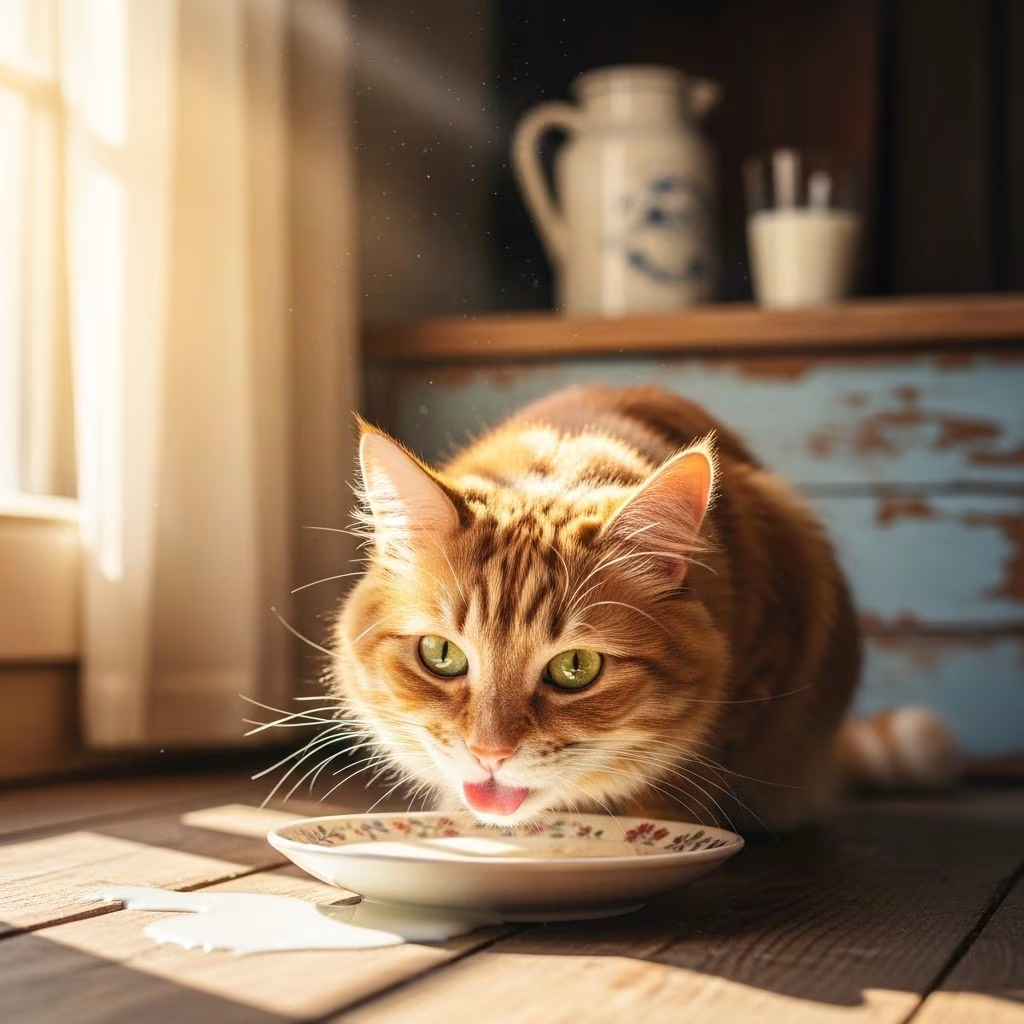
Cats’ affinity for milk stems from their early life experiences with their mother’s milk, which provides essential nutrients and comfort during kittenhood. However, most adult cats lose the ability to digest lactose effectively, leading to potential health issues when given cow’s milk or similar dairy products.
Why Are Cats Attracted to Milk?
The classic image of a cat lapping up a saucer of milk is ingrained in popular culture, but this attraction has biological roots. Kittens rely on their mother’s milk for the first few weeks of life, which is rich in fats, proteins, and antibodies tailored to their needs. This early association creates a lifelong sensory appeal—the creamy texture, fat content, and sweet taste of lactose trigger positive responses in a cat’s brain, reminiscent of nursing.
Adult cats retain taste receptors that favor high-fat, high-protein foods, aligning with their obligate carnivore diet. Milk’s palatability mimics these preferences, making it irresistible despite digestive incompatibilities. Studies on feline behavior note that cats often seek out novel or fatty liquids out of curiosity or instinct, further explaining their enthusiasm.
The Science of Lactose Intolerance in Cats
Most adult cats are **lactose intolerant** because they produce insufficient lactase, the enzyme needed to break down lactose—the sugar in milk—after weaning. Kittens naturally produce high levels of lactase, but production drops sharply post-weaning, typically by 8-12 weeks.
When lactose remains undigested, it ferments in the gut, causing osmotic diarrhea, gas, bloating, and abdominal pain. Symptoms can appear within hours: loose stools, vomiting, and dehydration, especially risky for kittens, seniors, or cats with pre-existing conditions. Long-term exposure may lead to chronic issues like malnutrition from poor nutrient absorption.
| Short-Term Effects | Long-Term Effects |
|---|---|
| Diarrhea, vomiting, gas, bloating | Obesity, diabetes, heart disease, nutrient deficiencies |
| Dehydration, lethargy | Hyperlipidemia, allergies, weakened immunity |
Cow’s milk exacerbates this; it has higher lactose (about 5g per 100ml) than queen’s milk (3-4g per 100ml), overwhelming immature or adult systems.
Health Risks of Feeding Milk to Cats
Beyond digestion, milk poses nutritional risks. Cats are obligate carnivores requiring taurine, arachidonic acid, and specific vitamins absent or insufficient in dairy. Milk’s high calorie density—120-150 calories per cup from fats and sugars—exceeds the recommended 10% non-meat calories (about 30 daily for average cats), promoting obesity.
Artificial hormones in non-organic milk link to diabetes and cancers, while saturated fats contribute to clogged arteries and hyperlipidemia. Dehydration from diarrhea is acute, particularly in vulnerable cats, as they can’t signal thirst effectively.
- Obesity: Excess calories lead to weight gain, straining joints and organs.
- Diabetes: High sugars and fats mimic human risk factors.
- Heart Disease: Fats accumulate, reducing cardiovascular health.
- Gut Imbalance: Disrupts microbiome, worsening IBS or allergies.
Is Cow’s Milk Safe for Cats?
No, cow’s milk is not safe for most cats. Even small amounts can trigger intolerance symptoms, and its imbalance—low protein relative to fat—doesn’t meet feline needs. Skim milk reduces fat but retains lactose (80-90 calories/cup) and lacks nutritional value. Pasteurized versions denature proteins and kill beneficial enzymes, intensifying upsets.
What About Other Types of Milk?
Goat’s Milk
Goat’s milk has lower lactose and smaller fat globules, digesting faster (under 30 minutes in some cats). It offers probiotics, oligosaccharides for anti-inflammation, and aids IBS, diabetes management via vitamins. Use sparingly as a treat; not a staple.
Plant-Based Milks (Almond, Soy, Coconut, Oat)
Lactose-free but problematic: high carbs/sugars add empty calories; potential allergens like nuts or soy trigger reactions. Coconut’s fat causes GI upset; none provide feline nutrition. Avoid entirely.
Lactose-Free or Cat-Specific Milk
Pet-store ‘cat milk’ removes lactose, reducing risks, but high calories persist. Limit to occasional treats (<10% daily intake); water remains primary hydration.
Special Cases: When Might Milk Be Okay?
Rarely. Avoid for unwell or undernourished cats—their systems can’t handle it. Pregnant queens need fats/carbs for lactation and fetal growth, but abdominal pressure compromises digestion; opt for balanced kitten food.
- Kittens: Only mother’s milk or kitten formula until 8 weeks.
- Seniors: Heightened dehydration risk.
- Overweight Cats: Caloric load worsens issues.
Safe Alternatives to Milk for Cats
Prioritize water, enhanced with fountains for appeal. Commercial wet foods provide hydration and nutrition. Treats: meat-based, low-calorie options like tuna flakes (in water) or vet-approved chews.
- Commercial cat treats (<10% calories).
- Kitten milk replacers for young cats.
- Bone broth (low-sodium, cat-safe).
- Fresh water or diluted tuna juice.
Yogurt or cheese in tiny amounts (low lactose) may suit some, but test cautiously. Consult vets for personalized advice.
Frequently Asked Questions (FAQs)
Can all cats drink milk?
No, most adult cats are lactose intolerant. Only a minority tolerates small amounts without issues.
What happens if my cat drinks milk?
Expect GI upset: diarrhea, vomiting, gas. Severe cases lead to dehydration.
Is lactose-free milk safe for cats?
Safer than regular, but high calories; use as rare treat.
Why do kittens handle milk better?
They produce lactase; it declines post-weaning.
Can milk help underweight cats?
No, better high-protein foods; milk risks outweigh benefits.
Is goat milk better than cow’s for cats?
Yes, lower lactose and digestive aids, but moderation key.
Conclusion: Stick to Cat-Safe Hydration
While cats adore milk’s taste, the risks—lactose intolerance, calories, nutritional gaps—outweigh appeal. Offer water, quality food, and vet-guided treats for optimal health. Your cat’s well-being trumps tradition.
References
- Should I give my cat milk? Here’s what nutritionists say — Untamed. 2023. https://untamed.com/blogs/nutrition/cat-milk
- The Truth About Cats and Milk — Animal Wellness Magazine. 2023. https://animalwellnessmagazine.com/cats-and-milk/
- Why Cats and Cow’s Milk Don’t Mix — Central Texas Veterinary Surgical Hospital. 2023. https://ctvsh.com/why-cats-and-cows-milk-dont-mix/
- Why You Shouldn’t Feed Your Cat Dairy — Southlake Animal Hospital. 2019-11-01. https://merrillvillevets.com/2019/11/01/crown-point-in-vet-shouldnt-feed-cat-dairy/
- Can Cats Drink Milk? — Hill’s Pet US. 2023. https://www.hillspet.com/cat-care/nutrition-feeding/can-cats-drink-milk
- Expert Explains Why We Need to Stop Giving Milk to Cats — ScienceAlert. 2023. https://www.sciencealert.com/expert-explains-why-we-need-to-stop-giving-milk-to-cats



