

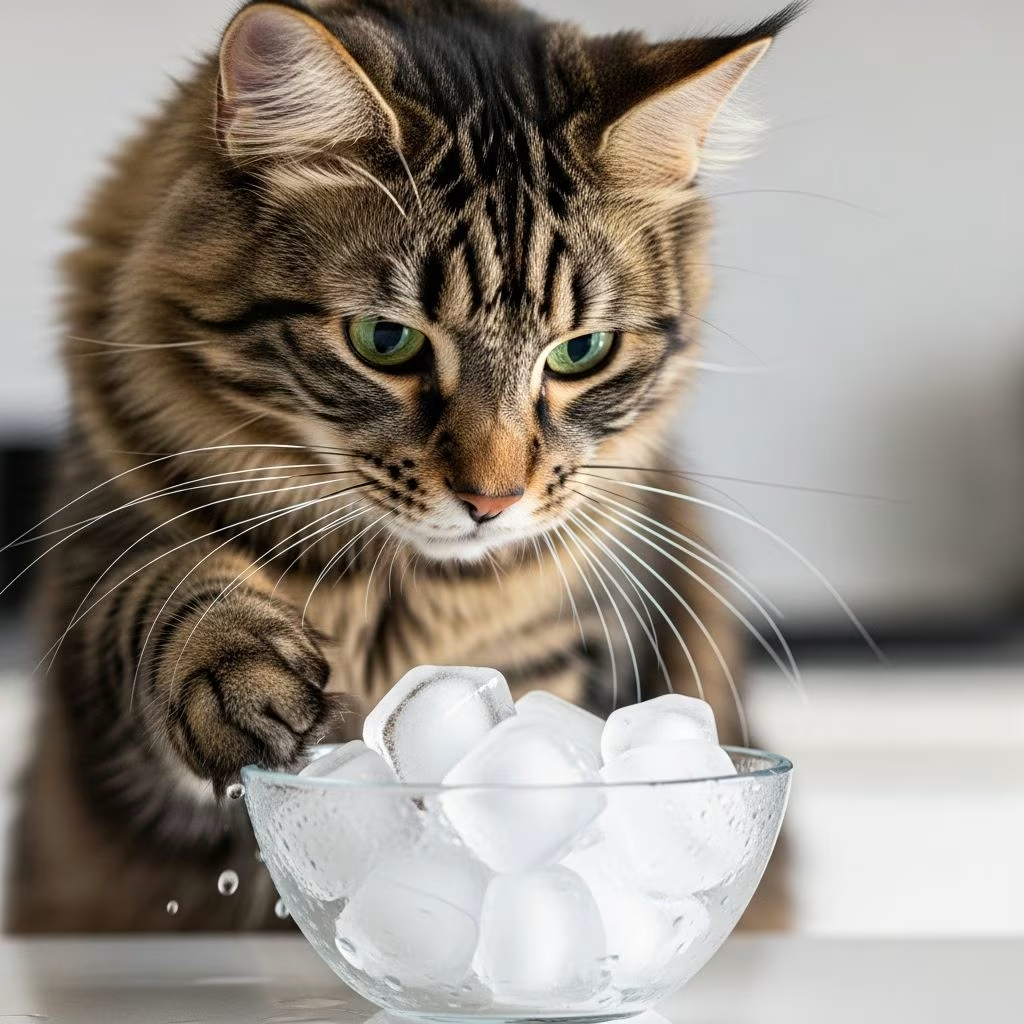
Many cat owners notice their felines batting at, chasing, or even licking ice cubes with intense curiosity. This behavior stems from a combination of natural instincts, sensory appeal, and practical benefits like cooling and hydration. Understanding these reasons allows you to safely enhance your cat’s environment and well-being.

Whether it’s the slippery movement mimicking prey or the refreshing chill on a hot day, ice cubes provide engaging stimulation. This article delves into the science, benefits, risks, and tips for using ice cubes responsibly with your cat.
The Natural Instincts Behind Ice Attraction
Cats are obligate carnivores with deeply ingrained hunting instincts. Ice cubes sliding erratically across floors trigger their predatory drive, resembling small rodents or insects scurrying away. The unpredictable path as they melt and spin mimics real prey, turning a simple cube into an interactive toy.
This play satisfies their need to stalk, pounce, and capture. Indoor cats, lacking access to outdoor hunts, particularly benefit from such outlets. The clinking sounds of ice against tiles or glass further heighten interest, as cats’ acute hearing detects subtle noises associated with potential meals.
- Prey mimicry: Slippery, skittering motion imitates fleeing animals.
- Sound stimulation: Clattering echoes prey distress calls.
- Hunting practice: Pouncing refines natural skills without real danger.
Experts note that this behavior is universal across breeds, though high-energy types like Bengals or Abyssinians show more enthusiasm.
Temperature Regulation and Comfort
Cats struggle to cool down efficiently due to limited sweat glands, primarily relying on panting and grooming. In warm weather, ice cubes offer immediate relief. Licking or lying near melting ice lowers body temperature via endothermic reactions, where ice absorbs heat to melt.
Thick-furred or brachycephalic breeds (short-nosed cats) benefit most, as they overheat easily. Indoor environments without air conditioning amplify this need. Providing ice in bowls or as play objects helps prevent heat stress, which can lead to exhaustion or stroke if unchecked.
| Cat Type | Heat Sensitivity | Ice Benefit |
|---|---|---|
| Long-haired (Persian) | High | Direct cooling via licking |
| Indoor-only | Medium-High | Play-based temp drop |
| Short-haired active | Medium | Enrichment + mild cooling |
During summer, cats may seek cool surfaces instinctively; ice enhances this natural thermoregulation.
Sensory Enrichment and Play
Ice cubes deliver a multisensory experience ideal for environmental enrichment, crucial for indoor cats prone to boredom. Key appeals include:
- Cold, smooth texture: Feels novel against paws and mouth.
- Visual sparkle: Light refraction creates shiny, enticing effects.
- Shape-shifting: Solid to liquid transition fascinates observers.
- Auditory cues: Cracking, sliding sounds stimulate ears.
These elements combat stress and promote mental health. Veterinary behaviorists recommend such toys to mimic outdoor variety, reducing destructive behaviors like scratching furniture. Rotate ice with other toys to maintain novelty.
For added fun, flavor ice with tuna juice or chicken broth (low-sodium) before freezing, boosting appeal without additives.
Hydration Benefits and Health Considerations
Cats often drink insufficiently, risking urinary crystals or kidney issues. Ice cubes entice picky drinkers; the melting process releases water slowly, encouraging prolonged licking. Studies show moving or novel water sources increase intake by up to 20% in felines.
Add ice to bowls for circulating water cats prefer. Flavored versions (e.g., from wet food drippings) further motivate. However, balance with fresh water availability.
Health Precautions
While beneficial, ice poses risks:
- Choking hazard: Large cubes can block airways; shatter into chips.
- Dental damage: Aggressive chewing erodes enamel, especially in kittens or seniors.
- Digestion slowdown: Excess cold may cause bloating or diarrhea.
- Brain freeze: Rare, but rapid intake shocks sensitive systems.
Supervise always, start small, and consult vets for cats with dental or GI conditions. Use filtered water to avoid contaminants.
Safe Ways to Offer Ice Cubes to Cats
To maximize fun and safety:
- Size appropriately: Pea-sized for kittens/small cats; quarter-sized for adults.
- Supervise sessions: 10-15 minutes max, on non-slip floors.
- Enhance safely: Freeze broth in silicone molds for treat-like “catcicles.”
- Clean up melts: Prevent slips; refresh bowls daily.
- Alternatives: Frozen wet food nuggets or chilled toys if ice unsuitable.
In hot climates, combine with fans, cool mats, and wet food for comprehensive cooling.
Risks and When to Avoid Ice Cubes
Not all cats suit ice play. Avoid if your cat has:
- Broken/chipped teeth
- Recent dental surgery
- Gum disease
- History of choking/vomiting
- Sensitivity to cold (shivering post-exposure)
Overuse risks hypothermia in cool weather or obesity if calorie-laden flavors used. Monitor for lethargy, drooling, or pawing mouth—signs of distress warrant vet visit.
Frequently Asked Questions (FAQs)
Why do cats like to play with ice cubes and what attracts them to ice?
Cats are drawn to ice cubes for their prey-like movement, clinking sounds, cold texture, and visual changes, fulfilling hunting instincts and providing sensory stimulation.
Is it safe to give my cat ice cubes or ice water to drink?
Generally yes, with supervision. Use small pieces to avoid choking, and introduce gradually to prevent temperature shock.
Can ice cubes help encourage my cat to drink more water and stay hydrated?
Yes, melting ice promotes licking and intake, especially when flavored. It’s effective for finicky drinkers, aiding urinary health.
What precautions should I take when letting my cat play with or eat ice cubes?
Supervise to prevent choking/dental injury, use small/chipped ice, clean spills, and watch for digestive upset.
How can ice cubes benefit my cat’s health or comfort during hot weather?
They cool via endothermic melting, enrich play, and boost hydration, reducing heat stroke risk.
Do all cats like ice cubes?
Most do, but preferences vary; some dislike cold or prefer still water.
Embracing your cat’s ice fascination enriches their life safely. Always prioritize supervision for joyful, hazard-free play.
References
- Why Do Cats Like Ice? Understanding Your Feline’s Fascination — PetsCare.com. 2023-05-15. https://www.petscare.com/news/post/do-cats-like-ice
- Why Do Cats Like Ice Cubes? 4 Likely Reasons — Hepper Articles. 2024-08-20. https://articles.hepper.com/why-do-cats-like-ice-cubes/
- Why Your Pet Might Dislike Ice Cubes — Lemon8 App. 2024-10-10. https://www.lemon8-app.com/@pokmeballz/7362893639193133574?region=us



