

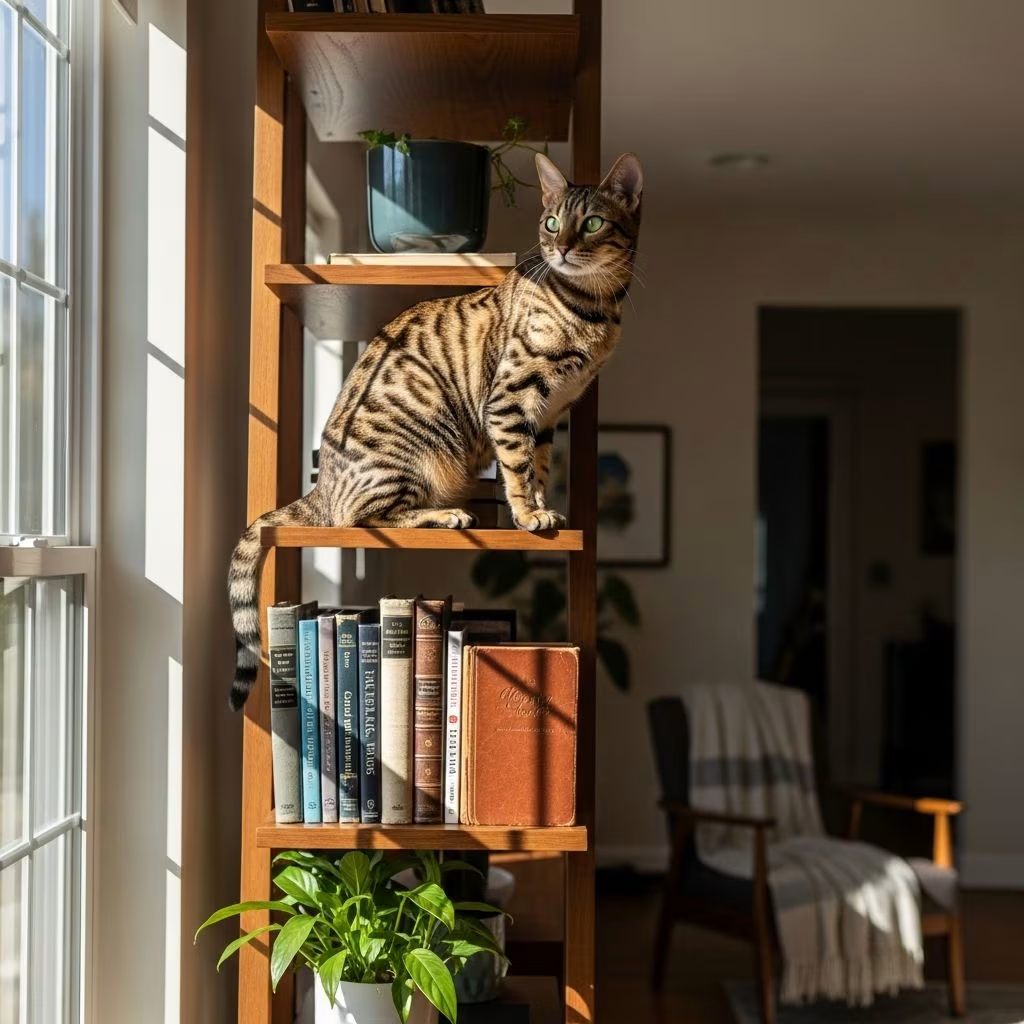
Cats’ fascination with high places is a fundamental aspect of their behavior, rooted in evolutionary instincts and psychological needs. Whether perched on a bookshelf, windowsill, or custom cat tree, elevation provides security, vantage points, and enrichment that fulfill their natural drives.
The Evolutionary Roots: Why Wild Cats Sought Heights
In the wild, cats—both predators and potential prey—relied on elevated positions for survival. High perches offered protection from ground-based threats like coyotes or larger felines, allowing them to rest safely while scanning for danger.
These spots also enhanced hunting efficiency. From above, cats could spot small rodents or birds from afar, plan ambushes, and pounce with precision using their powerful hind legs. Territorial oversight was another key benefit; elevated views helped monitor rivals and intruders, asserting dominance without constant confrontation.
Domestic cats retain these traits despite indoor living. Their physiology, including flexible spines, exceptional balance from inner ear structures, and strong muscles, is adapted for climbing, mirroring wild ancestors.
Safety and Security: Height as a Refuge
Height equates to safety in a cat’s mind. Elevated perches reduce vulnerability, letting cats observe surroundings without surprise attacks from dogs, children, or other pets.
Dr. Mikel Delgado, a certified feline behavior consultant, notes, “For cats, height equals safety. Being up high reduces the chance of being surprised by a threat.” A 2017 study in Applied Animal Behaviour Science found cats in multi-pet homes preferred elevated resting spots to avoid stress and conflicts.
During household changes—like new visitors or renovations—high places serve as retreats. They provide psychological distance from stressors while maintaining visual contact, helping cats cope with anxiety.
Territorial Control and Confidence
Cats are territorial by nature, and high perches allow them to claim ownership. The highest spot in a room signals dominance, especially in multi-cat households where vertical space prevents direct clashes.
Dr. Carlo Siracusa, a veterinary behaviorist, explains, “A cat on a high perch is essentially saying, ‘I own this room.’ It’s a way of reinforcing their status.” This behavior creates mental maps of vertical pathways, enabling navigation and constant territory awareness.
- Vertical territory expansion: Cats establish ‘highways’ between perches for efficient movement.
- Reduced aggression: Separate levels minimize resource guarding and fights.
- Confidence boost: Overlooking their domain fosters a sense of control.
Mental Stimulation and Curiosity
Climbing and perching engage a cat’s curiosity and problem-solving skills. Heights offer new perspectives, smells, and sounds, turning familiar spaces into stimulating environments.
A 2020 study in the Journal of Feline Medicine and Surgery showed that vertical spaces in shelters lowered stress by enabling natural behaviors like observation and exploration. For indoor cats, this counters boredom from limited outdoor access.
Physical Exercise and Physiological Adaptations
Jumping to heights exercises hind leg muscles, maintains agility, and hones balance—essential for hunting simulations. Dr. Delgado adds, “Climbing is a form of play for cats, engaging their physical abilities.”
Cats’ inner ears and flexible bodies make precarious perches navigable. Dr. Leslie Lyons, a feline geneticist, states, “Their bodies are built for climbing, hardwired to seek elevated spaces.” A 2019 Animals journal study confirmed cats spend significant time on high surfaces, especially under stress.
Warmth, Comfort, and Additional Benefits
Heat rises, drawing cats to warmer high spots, ideal for resting in cooler months. These perches also satisfy curiosity, allowing surveillance of household activity from afar.
| Benefit | Explanation | Example in Home |
|---|---|---|
| Safety | Escape from threats | Top of fridge during vacuuming |
| Hunting View | Spot ‘prey’ like toys | Bookshelf overlooking play area |
| Territory | Survey domain | Window perch monitoring yard |
| Warmth | Heat accumulation | Radiator shelf in winter |
| Stimulation | New vantage points | Wall-mounted shelves |
Providing Vertical Space: Practical Tips for Cat Owners
Indoor cats need vertical real estate to thrive. Dr. Crowell-Davis emphasizes, “Vertical space is a necessity for mental stimulation and safety.”
DIY and Store-Bought Options:
- Cat trees with multiple levels for climbing and lounging.
- Wall shelves or perches spaced 12-18 inches apart for jumping paths.
- Window seats or suction-cup hammocks for bird-watching.
- Floating shelves above furniture to utilize unused space.
- Cubby systems or tunnels integrated into walls for multi-cat homes.
Start low and gradually increase heights to build confidence. Secure all furniture to walls to prevent tip-overs. In multi-cat setups, provide per cat: one high perch prevents competition.
Common Signs Your Cat Needs More Vertical Space
- Excessive meowing or pacing at doors.
- Stress around visitors or other pets.
- Lack of use of floor toys; preference for jumping.
- Hiding under beds instead of elevated retreats.
- Boredom indicators like overgrooming or aggression.
Frequently Asked Questions (FAQs)
Why does my cat jump on high cabinets?
Cats seek these spots for safety, warmth, and oversight. It’s instinctual, mimicking wild perching.
Is it safe to let my cat on high places?
Yes, if secured. Cats’ balance is remarkable, but bolt furniture to avoid accidents.
What if my cat ignores new perches?
Place treats or toys there initially. Use pheromone sprays like Feliway to encourage use.
Do all cats like heights?
Most do due to genetics, but seniors or health-issue cats may prefer ground level. Consult a vet.
How much vertical space does a cat need?
Aim for 1.5-2 times their body length in perch options, spread vertically.
Conclusion
Cats’ affinity for heights blends survival instincts, security, territory, exercise, and curiosity. By incorporating vertical elements, owners unlock their pet’s confidence and contentment, as Dr. Delgado summarizes: “Giving your cat access to vertical spaces unlocks her natural world.” Enrich your home to let your feline thrive aloft.
References
- Why cats love heights: The Psychology and Nature of Vertical Behavior — RSHPets. 2023. https://rshpets.com/en-ca/blogs/cat-training-behavior/why-cats-love-heights-the-psychology-and-nature-of-vertical-behavior
- Cat Wall Shelves: Why Cats Love High Places & Funny Moments — The Refined Feline. 2023. https://www.therefinedfeline.com/happy-cats-wall-perches/
- Why Do Cats Like High Places? — Zoetis Petcare. 2024-01-15. https://www.zoetispetcare.com/blog/article/why-cats-like-high-places
- Why Do Cats Love High Places? The Instinct You Never Knew — YouTube (Behavioral Insights Video). 2023. https://www.youtube.com/watch?v=uEsSODg_36c
- Why Do Cats Like Being Up High? — Cats.com. 2024. https://cats.com/why-do-cats-like-being-up-high



