

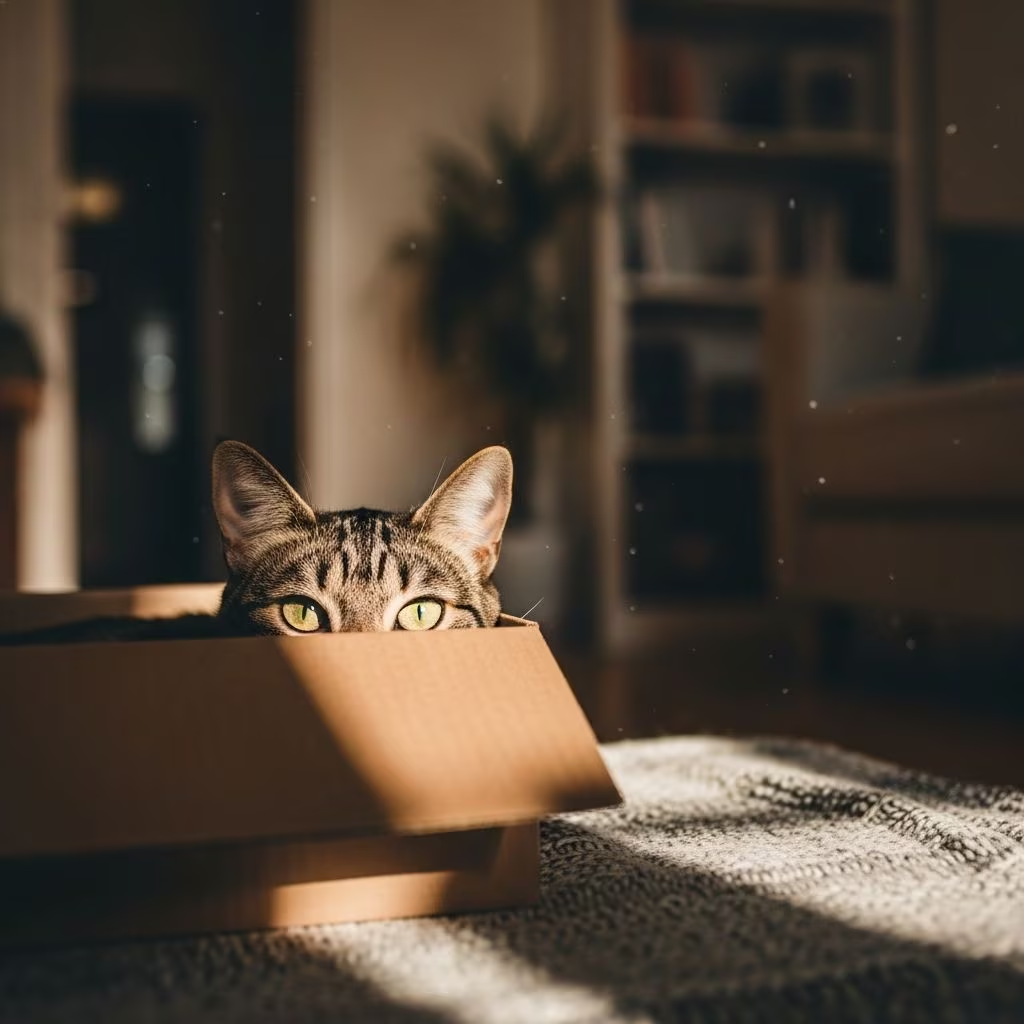
Hiding in dark places is a common and often normal behavior for cats. They frequently seek out boxes, under furniture, or closets, displaying their innate stealth like hide-and-seek experts.
This behavior stems from evolutionary traits, sensory adaptations, and environmental responses. Understanding it helps cat owners distinguish between harmless habits and potential issues.
The 5 Reasons Why Cats Like to Hide in Dark Places
1. Your Cat’s Natural Instincts
Cats are descended from wild ancestors who were ambush predators, relying on surprise attacks from concealed positions to hunt small prey like mice and voles. Domestic cats retain this instinct, using dark spots to stalk toys, dust bunnies, or moving toes as surrogate prey.
In the wild, dense forests provided ideal cover, honing this behavior over generations. Even indoor cats exhibit it during play, crouching low and pouncing unexpectedly, which fulfills their predatory drive. This hiding enhances their sense of control and excitement in daily life.
Providing toys that mimic prey movement, such as feather wands or laser pointers, can channel this instinct positively, reducing boredom-related excessive hiding.
2. It’s Not “Dark” for Them
Cats perceive light differently from humans due to their retinal structure. Their eyes contain more rod cells, which detect low light, motion, and shapes, compared to fewer cone cells for color vision.
A key adaptation is the tapetum lucidum, a reflective layer behind the retina that amplifies available light, allowing cats to see in dim conditions up to six times better than humans. What appears pitch black to us might be sufficiently lit for a cat to navigate and observe.
However, cats cannot see in absolute darkness; they require minimal ambient light. This explains why they choose “dark” spots—we perceive them as shadowy, but cats find them navigable and strategic. Studies on feline vision confirm rods enable twilight hunting, aligning with crepuscular (dawn/dusk) activity peaks.
3. They Want to Sleep
Cats are polyphasic sleepers, napping 12-16 hours daily in short bursts. They prefer dark, enclosed spaces for undisturbed rest, mimicking cozy dens.
Darkness signals safety for sleep, reducing visual stimuli and promoting relaxation, similar to how humans dim lights. Enclosed spots provide warmth retention and a sense of security, as body heat builds up in confined areas.
- Common sleep hiding spots: boxes, laundry baskets, window seats with curtains.
- Benefits: Protection from drafts, fewer interruptions from household activity.
- Tip: Offer soft bedding in elevated perches for alternative cozy naps.
New kittens or seniors may hide more for sleep due to higher rest needs or mobility limits.
4. Your Cat Is Unwell
Sudden or excessive hiding, especially abandoning favorite spots, can signal illness. Cats instinctively conceal weakness to avoid predators, a survival trait from wild origins.
Signs accompanying hiding include lethargy, appetite loss, vomiting, or litter box avoidance. Common conditions: urinary issues, dental pain, hyperthyroidism, or kidney disease.
| Symptom | Possible Issue | Action |
|---|---|---|
| Hiding + No appetite | Gastrointestinal upset | Vet visit within 24 hours |
| Hiding + Vomiting | Kidney disease | Urgent bloodwork |
| Hiding + Limping | Arthritis/Injury | X-rays/exam |
Monitor for 24-48 hours; if persistent, consult a vet. Early detection improves outcomes significantly.
5. Safety Is Key
Hiding provides security from perceived threats. In the wild, cats evade predators like foxes, owls, or rival cats by concealing themselves. Domesticated cats retain this, hiding during stress.
Triggers include loud noises, new pets, guests, or routine changes. Stressed cats enter “freeze” mode, preferring invisibility over confrontation.
- Popular safe spots: Under beds (dark, inaccessible to humans), closets (scent-rich, familiar), behind furniture (low profile).
- Personality factor: Shy cats hide more; bold ones less so.
To reduce stress-hiding, introduce changes gradually, use pheromone diffusers, and create safe zones with hiding furniture.
Popular Hiding Spots and Why Cats Love Them
Cats select spots based on security, warmth, and familiarity:
- Under the bed: Dark, quiet, too small for humans; comforting during parties.
- Boxes/Cardboard: Enclosed, novel; satisfies curiosity and burrito-like coziness.
- Closets: Scented with owner smells, soft fabrics, elevated options.
- Behind appliances: Warmth from heat sources, but risky—check before use.
Flexible spines allow squeezing into tight fits, enhancing the secure feeling.
When to Worry About Your Cat Hiding
Occasional hiding is fine; worry if:
- New behavior in adult cats.
- Combined with eating/sleeping changes.
- Accompanied by aggression or vocalization.
Environmental stress (moves, new pets) or illness prompts escalation. Baseline your cat’s normalcy for comparison.
How to Encourage Safe Hiding
Support instincts safely:
- Provide cat trees with enclosed pods.
- Use window perches for observation hiding.
- DIY: Cardboard tunnels, blanket forts.
- Avoid dangerous spots like washers/dryers.
Enrichment reduces excess hiding: Rotate toys, puzzle feeders.
Frequently Asked Questions (FAQs)
Q: Is it normal for my cat to hide a lot?
A: Yes, moderate hiding is normal for instincts, sleep, or relaxation. Excessive or sudden hiding warrants monitoring.
Q: Why does my cat hide under the bed during guests?
A: It feels safe—dark, inaccessible, away from strangers.
Q: Can hiding mean my cat is stressed?
A: Yes, changes like moves or new pets trigger stress-hiding.
Q: Should I force my cat out of hiding?
A: No; respect their space. Use treats to coax gently.
Q: What if my cat hides and won’t eat?
A: See a vet immediately—could indicate illness.
Conclusion
Cats hide in dark places due to instincts, vision, sleep needs, health, and safety—a blend of nature and nurture. Embrace it as normal unless patterns change. Creating safe spots enhances well-being, strengthening your bond.
References
- Why Do Cats Like Hiding in Dark Places? 5 Vet-Reviewed Reasons — Catster. 2023. https://www.catster.com/cat-behavior/why-do-cats-like-hiding-in-dark-places/
- Pet Care: Why Do Some Cats Love Dark, Enclosed Spaces? — Furrbby. 2024. https://www.furrbby.com/blogs/blogs/pet-care-why-cats-love-dark
- Hide and Seek: Is Your Cat Hiding from You? — Hill’s Pet Nutrition. 2023. https://www.hillspet.com/cat-care/behavior-appearance/cat-likes-hiding-in-small-dark-spaces
- Why Cats Hide | Vancouver Cat Behavior Explained — Country Grove Veterinary Hospital. 2025-10-07. https://countrygrovevet.ca/2025/10/07/why-cats-hide-behavior/
- Why Is My Cat Hiding? Is This Normal? — Chewy. 2024. https://www.chewy.com/education/cat/training-and-behavior/why-is-my-cat-hiding
- Hiding Behavior in Cats — Feline Behavior Solutions. 2023. https://felinebehaviorsolutions.com/hiding-behavior-in-cats/



