

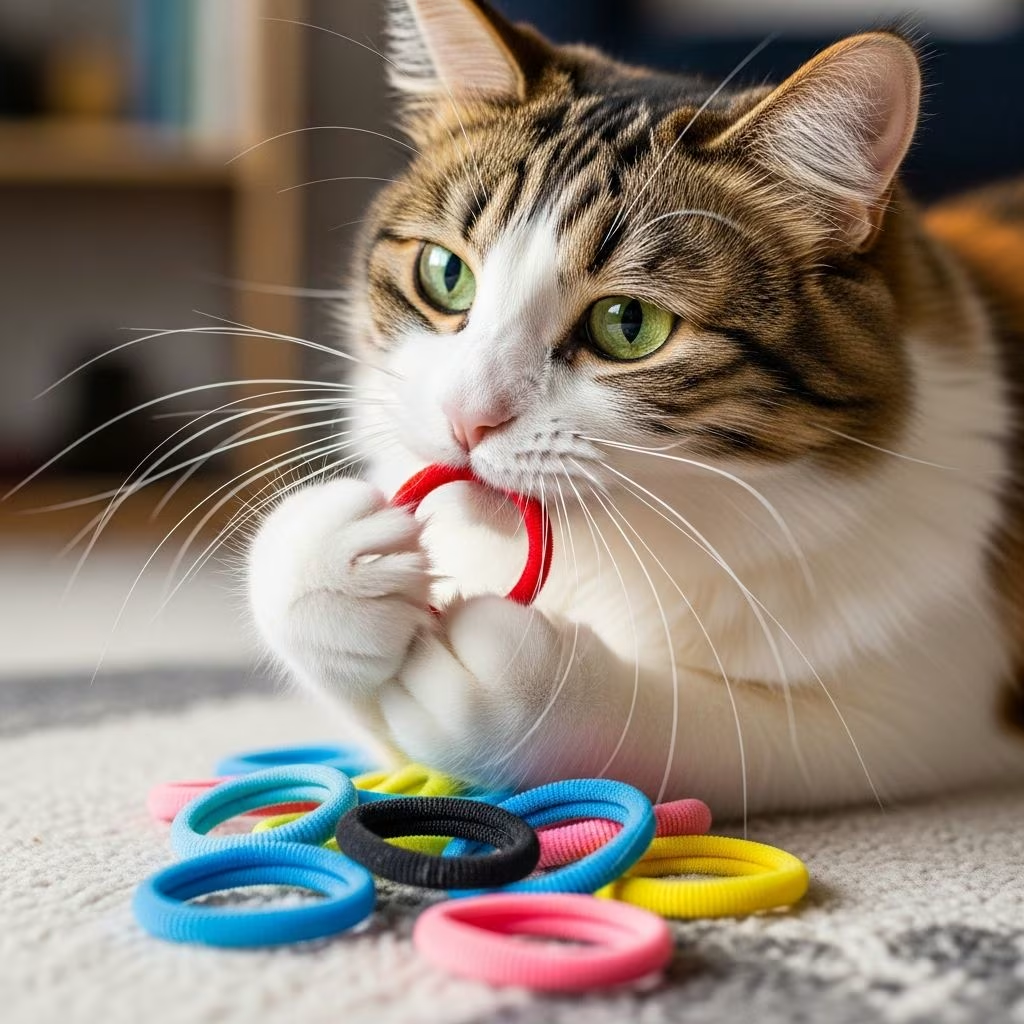
Cats have an inexplicable fascination with everyday household items, and hair ties top the list for many feline friends. These small, elastic bands spark endless hours of batting, chasing, and pouncing, leaving cat owners both amused and concerned. But what drives this obsession? At its core, a cat’s love for hair ties stems from deep-rooted **hunting instincts** that make these objects irresistible mimics of prey. Small, lightweight, and unpredictable in movement, hair ties perfectly simulate the erratic scurry of mice or insects, triggering a cat’s natural predatory drive.
Understanding this behavior goes beyond mere entertainment. Cats are obligate carnivores evolved as skilled hunters, and domestic life doesn’t erase those instincts. When a cat spots a hair tie rolling across the floor, it’s not just a toy—it’s potential prey. The smooth texture, bouncy quality, and size (typically 1-2 inches in diameter) align closely with small rodents, making them prime targets for play-hunting sessions. This isn’t random; studies on feline behavior confirm that cats prefer objects around 2-4 inches that move unpredictably, much like hair ties do when flicked or batted.
The Science Behind the Obsession
To delve deeper, consider the evolutionary biology of cats. Wild cats, including the ancestors of our domestic companions like *Felis silvestris lybica*, relied on stealth and agility to catch small prey. Today, indoor cats channel this energy into play. Hair ties excel here because:
- Size and Shape: Perfectly bite-sized, easy to carry in the mouth, mimicking a captured mouse.
- Movement: They skitter, bounce, and roll erratically, imitating live prey’s escape attempts.
- Texture: Soft and flexible, providing satisfying grip without being too rigid.
- Availability: Often scattered around bathrooms or bedrooms, right in a cat’s territory.
Behavioral experts note that not all cats fixate on hair ties equally. Kittens and young adults show the strongest interest, as play-hunting peaks during these developmental stages. Older cats might prefer them for gentle batting, while high-energy breeds like Bengals or Abyssinians go wild. Individual personality plays a role too—curious, playful cats are more prone to this than laid-back lap cats.
Observationally, cats don’t just play; they “hunt.” Watch your cat stalk a hair tie from afar, crouch low, then explode into a pounce. This sequence mirrors real predation: stalk, chase, capture, “kill” (via batting or biting). It’s mentally stimulating, reducing boredom and stress while providing exercise. In multi-cat homes, hair ties spark competitive play, enhancing social bonds.
Are Hair Ties Safe for Cats?
While endlessly entertaining, hair ties pose real risks. The primary concern is **ingestion**. Cats often “kill” toys by chewing or swallowing them. Hair ties, made of rubber, elastic, metal coils, or fabric-covered bands, aren’t digestible. Swallowed pieces can cause:
- Choking: Small size makes them easy to lodge in the throat.
- Intestinal Blockages: Linear objects like stretched elastics act like string, bunching intestines (a condition called linear foreign body).
- Toxicity: Some contain dyes or materials irritating the gut.
Veterinary data shows gastrointestinal foreign bodies are common in cats, with surgery needed in 10-20% of cases. Symptoms include vomiting, lethargy, loss of appetite, or straining without feces. Early intervention is key, but prevention is best.
| Risk Factor | Description | Severity |
|---|---|---|
| Choking Hazard | Band gets stuck in mouth/throat during play | High – Immediate emergency |
| Blockage | Undigested material obstructs intestines | High – May require surgery |
| Pica Behavior | Compulsive eating of non-food items | Medium – Underlying health issue |
Some owners report no issues over years, but vets caution against complacency. Even one ingestion can lead to costly vet bills ($2,000-$5,000 for surgery). Supervise play, and never leave hair ties accessible.
Safe Alternatives to Hair Ties
Fortunately, cat-safe options replicate the appeal without dangers. Opt for durable, non-toxic toys designed for chewing and batting:
- Pom-Poms and Fabric Balls: Soft, lightweight, with bells or catnip for extra allure.
- Paper or Cardboard Rings: Chew-safe, biodegradable alternatives that mimic rings.
- Interactive Wands: Feather attachments for guided hunting sessions.
- Catnip Mice: Classic prey shapes with enticing scents.
- Laser Pointers: For high-speed chases (avoid frustration by ending with a ‘catchable’ toy).
Rotate toys to maintain interest—cats tire of the same item quickly. DIY options like crinkly aluminum foil balls (supervised) or wine corks work too, but inspect for wear. Invest in puzzle feeders blending play with meals to satisfy hunt-for-food instincts.
How to Manage Your Cat’s Hair Tie Habit
Breaking the cycle starts with environmental control:
- Storage: Keep hair ties in closed drawers or bins.
- Supervision: Watch play sessions; intervene if chewing starts.
- Redirection: Swap with safe toys mid-play.
- Enrichment: Provide scratching posts, window perches, and daily 15-minute play.
- Training: Use clicker training to teach ‘leave it’ commands.
For pica-prone cats (eating non-foods), consult a vet—issues like anemia or stress may underlie it. Multi-cat homes benefit from individual toy stashes to curb resource guarding.
Frequently Asked Questions (FAQs)
What if my cat swallows a hair tie?
Monitor for vomiting, diarrhea, lethargy, or appetite loss. Contact your vet immediately; x-rays may be needed. Do not induce vomiting.
Why is my cat obsessed with hair ties?
They mimic prey perfectly—small, bouncy, and erratic. It’s instinctual hunting play.
Are there safer alternatives to hair ties?
Yes: catnip toys, paper rings, wand toys, and bells provide the same fun safely.
Is it okay to let my cat play with hair ties occasionally?
Only under close supervision. Better to use vet-approved toys to avoid risks.
Do all cats like hair ties?
No, but many do due to prey-like qualities. Personality and age influence preference.
Conclusion: Play Smart, Stay Safe
Cats’ love for hair ties reveals their wild heritage—a reminder to enrich their world thoughtfully. By swapping risky items for safe alternatives, you nurture their instincts without endangering health. Regular play strengthens your bond and keeps your cat physically fit, mentally sharp, and blissfully content. Observe, adapt, and enjoy the pounces!
(Word count: 1678)
References
- Why do cats love to play with hair ties? — Dezi & Roo. 2023-05-15. https://deziroo.com/blogs/pawsitive-connections/why-do-cats-love-hair-ties
- 5 Adorable Reasons Why Cats Like Hair Ties — Cats.com. 2024-02-10. https://cats.com/why-do-cats-like-hair-ties
- Is it safe for my cat to play with hair ties? — Dial A Vet (Veterinary Services). 2025-01-05. https://www.dialavet.com/vet-answers/cat-playing-hair-ties-safe-21716



