

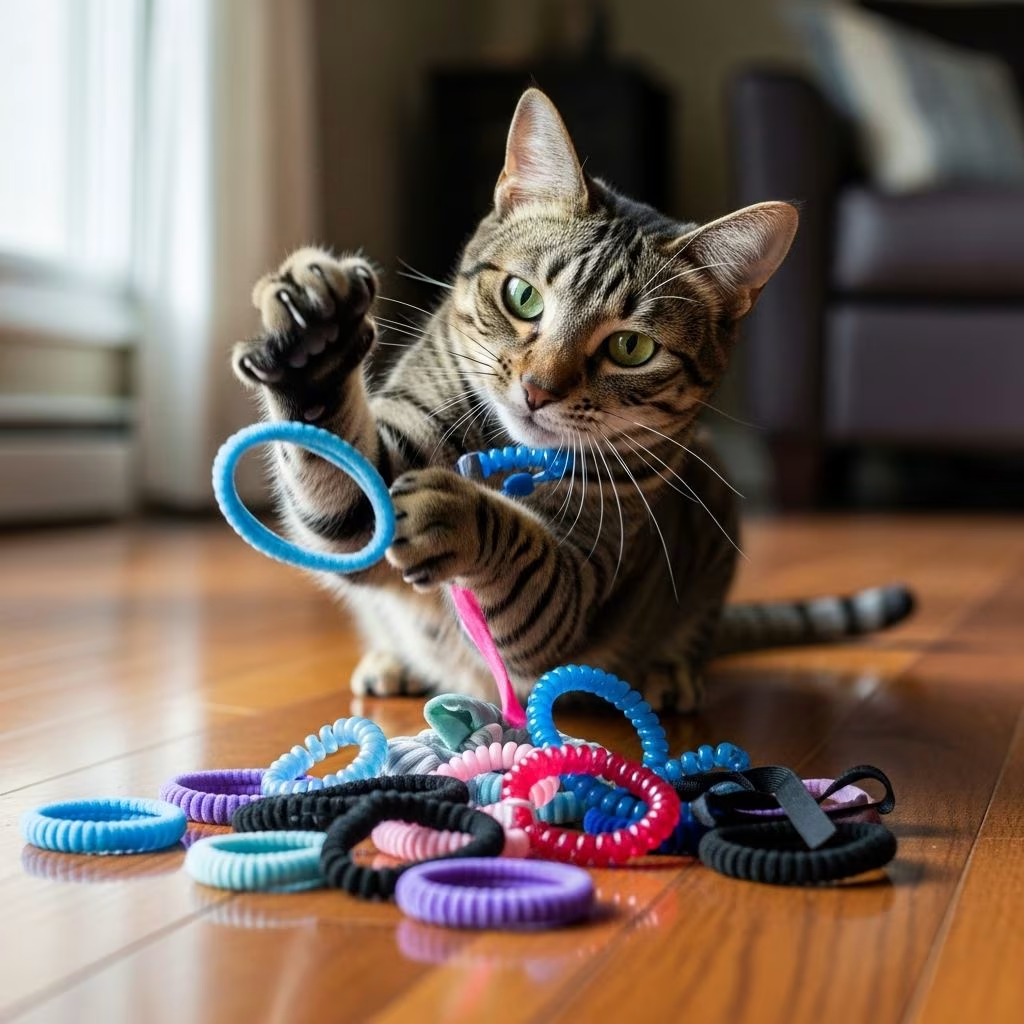
Cats have an inexplicable fascination with everyday objects like hair ties, turning them into prized playthings. This behavior stems from their innate hunting instincts, where small, bouncy items mimic prey, providing endless entertainment despite the availability of commercial toys.
Reasons Cats Are Attracted to Hair Ties
Hair ties captivate cats due to several instinctual and sensory factors. Their small size, lightweight nature, and erratic movement when batted around replicate the motion of mice or insects, triggering a cat’s predatory drive.
- Hunting Simulation: The way a hair tie rolls, bounces, and hides under furniture closely imitates small prey fleeing or hiding in grass, engaging a cat’s pounce-and-capture instincts.
- Texture and Grip: The rubbery or fabric texture offers just enough grip for paws and teeth, making it ideal for batting, carrying, and wrestling without slipping away too easily.
- Novelty and Accessibility: Unlike static toys, hair ties are often left lying around, sparking curiosity. Cats prefer ‘found’ items over purchased ones, as they fulfill exploratory behaviors.
- Sensory Appeal: Some hair ties carry faint scents from human hair or lotions, adding an intriguing olfactory layer that heightens interest.
- Social Bonding: Cats may steal hair ties from their owners during grooming sessions, associating them with interaction and play initiation.
Individual preferences vary; not all cats obsess over hair ties, but for those that do, it’s a harmless expression of their wild ancestry unless safety risks arise.
The Science Behind Cats’ Love for Small Objects
From an evolutionary standpoint, domestic cats retain the behaviors of their feral ancestors. Small, round objects like hair ties activate the ‘orienting response,’ where cats’ ears perk, eyes dilate, and muscles tense in preparation for the hunt. Studies on feline play behavior indicate that objects mimicking prey size (1-2 inches) and unpredictable movement elicit the strongest responses.
In the wild, cats hunt small rodents and birds, honing skills through play. Hair ties provide a low-risk outlet for these skills, preventing boredom and obesity by promoting physical activity. However, this affinity extends to other household items like milk rings or rubber bands, highlighting a broader pattern of resourcefulness in play.
Are Hair Ties Safe for Cats?
While entertaining, hair ties pose significant risks. They are not designed for ingestion, and cats’ playful mouthing can lead to swallowing.
| Risk | Description | Potential Consequences |
|---|---|---|
| Choking Hazard | Cats may try to swallow whole during intense play | Airway obstruction requiring emergency intervention |
| Intestinal Blockage | Non-digestible materials like rubber or elastic don’t break down | Surgery needed; symptoms include vomiting, lethargy |
| Cut Injuries | Metal cores or frayed edges can slice gums or paws | Infection or bleeding |
| Pica Trigger | Obsessive play may indicate or exacerbate pica (eating non-food items) | Nutritional deficiencies or repeated vet visits |
Veterinarians report that linear foreign bodies like swallowed hair ties can bunch in the intestines, causing life-threatening obstructions. Prompt veterinary attention is crucial if ingestion is suspected. Supervision is key; many owners note issues only arise with unsupervised or excessive consumption.
How to Keep Your Cat Safe While Playing with Hair Ties
Eliminate risks without curbing fun by following these guidelines.
- Supervise Always: Never leave hair ties accessible when unsupervised. Store them in closed drawers or containers post-use.
- Inspect Regularly: Discard frayed, stretched, or damaged ties immediately to avoid sharp edges.
- Limit Access: Use grooming routines without loose ties nearby; opt for clips or pins instead.
- Monitor Behavior: Watch for signs of pica, such as chewing fabrics or plants, and consult a vet for underlying issues like anemia.
- Emergency Prep: Know symptoms of ingestion—vomiting, diarrhea, appetite loss—and have your vet’s number handy.
Some owners report long-term safe play under supervision, with vets confirming low risk absent large ingestions. Balance enjoyment with caution.
Safe Alternatives to Hair Ties for Cats
Redirect your cat’s energy to purpose-built toys that replicate the appeal without dangers.
- Paper-Based Rings: Chew-safe options like handmade paper rings (e.g., Oh-Ring or Flutter-Ring) dissolve if ingested and pair well with wand toys.
- Felt or Pom-Pom Balls: Soft, lightweight, and bouncy; infused with catnip for extra allure.
- Bell-Equipped Toys: Small balls or mice with bells mimic erratic prey sounds and movement.
- Interactive Wands: Feather or string attachments on poles for controlled, bonding play sessions.
- Recycled Safe Items: Clean milk rings (plastic-free) or crinkly paper balls, always vetted for safety.
Rotate toys to maintain novelty, preventing fixation on hazardous items. Daily 15-20 minute sessions suffice to tire out most cats.
When to See a Vet About Your Cat’s Hair Tie Obsession
Occasional play is normal, but escalation warrants professional advice.
- Persistent attempts to eat hair ties or other non-foods (pica).
- Sudden obsession post-adoption or age change, possibly stress-related.
- GI symptoms after play: repeated vomiting, constipation, or abdominal pain.
- Weight loss or lethargy alongside unusual chewing.
Blood tests can rule out deficiencies driving pica. Behavioral consults help with anxiety-fueled habits.
Frequently Asked Questions (FAQs)
Why is my cat obsessed with hair ties?
Cats view hair ties as ideal prey due to their size, movement, and texture, stimulating hunting instincts. It’s a natural, instinct-driven preference.
Are hair ties dangerous for cats?
Yes, they pose choking and blockage risks if swallowed. Supervise closely and provide safer alternatives.
What should I do if my cat swallows a hair tie?
Monitor for vomiting, lethargy, or appetite loss. Contact your vet immediately; surgery may be needed for blockages.
Are there safe toys like hair ties for cats?
Yes, opt for paper rings, catnip balls, or bell toys designed for safety and digestibility.
Why do some cats prefer hair ties over expensive toys?
Found objects spark curiosity and mimic real prey better, fulfilling exploratory instincts over static purchased items.
Understanding Your Cat’s Play Preferences
Every cat is unique; some chase laser pointers, others hoard hair ties. Observing patterns helps tailor safe enrichment. Enrich environments with boxes, tunnels, and scratchers to broaden interests. Kittens play more intensely, learning skills, while seniors may prefer gentler interactions. Nutrition impacts play drive—high-protein diets boost energy.
Play strengthens owner bonds, reduces stress, and prevents destructive behaviors. Dedicate time daily, mimicking hunt-chase sequences: stalk, pounce, ‘kill bite,’ then reward.
In multi-cat homes, hair ties can spark friendly chases but monitor for resource guarding. Neutered cats play less aggressively, focusing on solo fun.
Enhancing Playtime for Maximum Fun
To amplify safe play:
- Incorporate catnip or silver vine for bursts of frenzy.
- Use puzzle feeders post-play to extend mental stimulation.
- DIY safe toys: wine corks wrapped in fabric (no wires).
- Track play logs to spot favorites and rotate accordingly.
Ultimately, embracing your cat’s quirks like hair tie love fosters deeper connection, as long as safety leads.
References
- Why do cats love to play with hair ties? — Dezi & Roo. 2023. https://deziroo.com/blogs/pawsitive-connections/why-do-cats-love-hair-ties
- 5 Adorable Reasons Why Cats Like Hair Ties — Cats.com. 2024. https://cats.com/why-do-cats-like-hair-ties
- Is it Safe for Cats to Play with Hair Ties? — Dial A Vet. 2024. https://www.dialavet.com/vet-answers/cat-playing-hair-ties-safe-21716



