

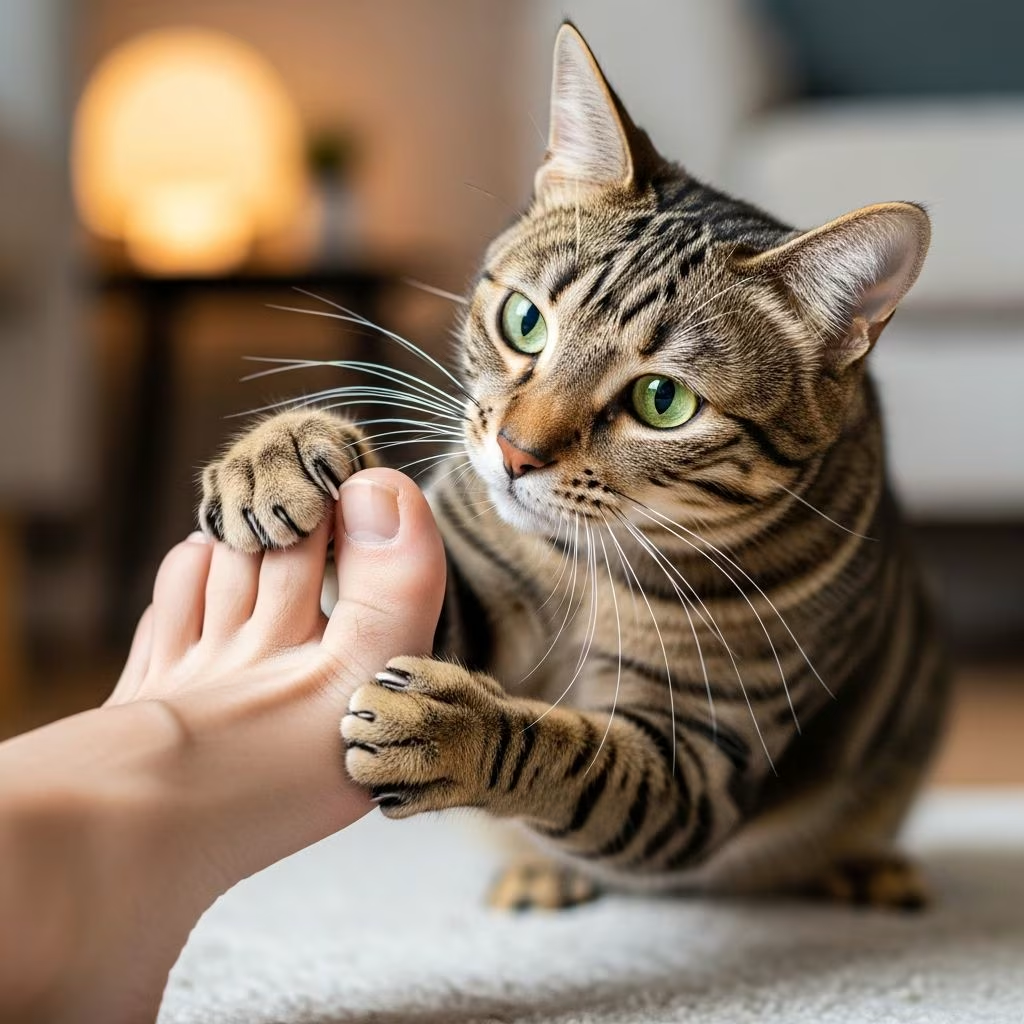
Cats often display quirky behaviors that puzzle their owners, and one of the most common is their fascination with human feet. Whether your cat sniffs, rubs against, licks, or pounces on your feet, this seemingly odd obsession has deep-rooted explanations tied to their instincts, senses, and emotions. Understanding these behaviors can strengthen your bond with your feline friend and help manage any unwanted habits.
In this comprehensive guide, we delve into the **8 key reasons** why cats like feet, drawing from feline biology and behavior. Cats possess up to **200 million scent receptors**—far surpassing humans’ 5 million—making their world a tapestry of smells, with feet being a prime target. We’ll also cover how to discourage excessive foot-focused antics while ensuring your cat remains happy and stimulated.
The 8 Reasons Cats Like Feet
From affection to survival instincts, here are the primary motivations behind your cat’s foot fixation:
1. Affection
Cats express love in unique ways, often targeting feet as a sign of closeness. When your cat licks or grooms your feet, it’s mimicking how they groom other cats in their social group, a gesture of trust and bonding. Feet, being one of the smelliest parts of the human body due to sweat glands, carry strong personal scents that reassure your cat of your presence and safety.
Many cats curl up or sleep near feet at night, seeking warmth and protection. This behavior signals deep affection; your cat associates your scent-rich feet with comfort and security. Owners report cats nuzzling feet upon returning home, reinforcing emotional ties.
2. Scents and Pheromones
Human feet are pheromone hotspots. Sweat, skin cells, and environmental odors accumulate on shoes, socks, and bare feet, creating a scent profile cats find irresistible. With their superior olfactory system, cats detect traces of where you’ve been, who you’ve met, and even other animals you’ve encountered.
Pheromones on feet act like a ‘welcome home’ signal. Cats rub their cheeks—equipped with scent glands—against feet to enjoy your aroma and deposit their own, blending scents as a familial marker. This mutual scent exchange strengthens group identity in multi-cat households or with visiting pets.
3. Marking Territory
Rubbing faces on feet is classic territory marking. Cats’ cheek glands release pheromones that claim ownership. If your feet carry scents from outdoors or other animals, your cat may intensify rubbing to overwrite them, declaring “you’re mine.”
This is especially common in anxious or territorial cats. In homes with multiple pets, foot-marking prevents conflicts by clearly signaling boundaries through scent.
4. Seeking Attention
Cats are masters of manipulation. Nibbling, pawing, or batting at feet guarantees a reaction—be it laughter, scolding, or play. Your cat learns this works, using feet as a tool to signal hunger, boredom, or a desire for interaction.
Similar to keyboard-walking, foot antics demand focus. Responding inconsistently reinforces the behavior, so consistency is key to redirecting it.
5. Playfulness
Feet in motion mimic prey: wiggling toes or dangling socks trigger playful pounces and chases. Unlike aggressive hunting, playful cats are gentle, treating feet as toys for batting or bunny-kicking.
This stems from kittens’ play-hunting, essential for skill development. Adult cats retain this joy, turning lounging feet into entertainment. Insufficient toys can amplify foot-play.
6. Hunting Instincts
Cats are obligate predators; moving feet activate their prey drive. Sudden toe wiggles provoke ambushes, fulfilling innate hunting urges even in well-fed pets.
Pouncing isn’t aggression but instinct. Provide interactive toys like feather wands to channel this energy appropriately, preventing overstimulation.
7. Tastes
Feet appeal to taste buds too. With **250,000 sweat glands** per foot, they secrete salty perspiration, minerals, and proteins cats crave.
Diet, activity, and hygiene influence flavor—post-workout feet are especially enticing. While not the primary driver, some cats lick for the savory ‘snack’ value, combining taste with grooming rituals.
8. Stress or Anxiety Relief
Licking feet releases endorphins, calming stressed cats. Compulsive licking signals underlying anxiety from changes like new pets or moves.
Monitor for over-grooming elsewhere; consult a vet if persistent. Environmental enrichment reduces stress-induced foot obsession.
How to Stop Cats from Liking Feet Too Much
While endearing, excessive foot love can lead to scratches or disrupted sleep. Here’s how to redirect:
- Ignore the Behavior: No reaction starves attention-seeking. Walk away calmly.
- Provide Alternatives: Toys, scratching posts, and puzzle feeders satisfy instincts.
- Enrich Environment: Vertical spaces, window perches combat boredom.
- Wash Feet: Reduce scents post-outdoors to lessen appeal.
- Positive Reinforcement: Reward calm behavior with treats/pets.
- Consult Professionals: Vets rule out medical issues; behaviorists address anxiety.
Consistency yields results in weeks. Punishment worsens stress, so focus on positives.
Frequently Asked Questions (FAQs)
Why does my cat lick my feet?
Cats lick feet for taste (salt), grooming (affection), scent gathering, or stress relief. It’s rarely just quirkiness.
Why do cats bite feet?
Biting signals play, hunting, or attention bids. Redirect with toys; ensure ample exercise.
Is it normal for cats to sleep on feet?
Yes—feet offer familiar scents and warmth, denoting trust and security.
Why do cats rub against feet?
Rubbing shares pheromones and marks territory, affirming bonds.
Should I worry if my cat obsesses over feet?
Mild interest is fine; excess may indicate boredom, stress, or health issues. Monitor and enrich accordingly.
Understanding Your Cat’s World Through Feet
Cats’ foot fascination reveals their sensory-driven lives. Feet aren’t random—they’re portals to information, affection, and fun. By addressing root causes, you foster a balanced relationship.
For tailored advice, observe patterns: timing, intensity, context. Combine with vet check-ups for holistic care.
References
- Why Do Cats Like Feet? 6 Likely Reasons — Hepper Pet Resources. 2023. https://articles.hepper.com/why-do-cats-like-feet/
- Why Do Cats Love Feet? — Two Crazy Cat Ladies. 2023. https://twocrazycatladies.com/cat-behavior/why-do-cats-love-feet/
- Why Do Cats Like Feet? 8 Interesting Reasons — Catster. 2023. https://www.catster.com/cat-behavior/why-do-cats-like-feet/
- 4 Reasons Why Cats Lick Your Feet & Toes — Lady N Pet. 2023. https://ladynpet.com/us/blog/why-does-my-cat-lick-my-feet/



