

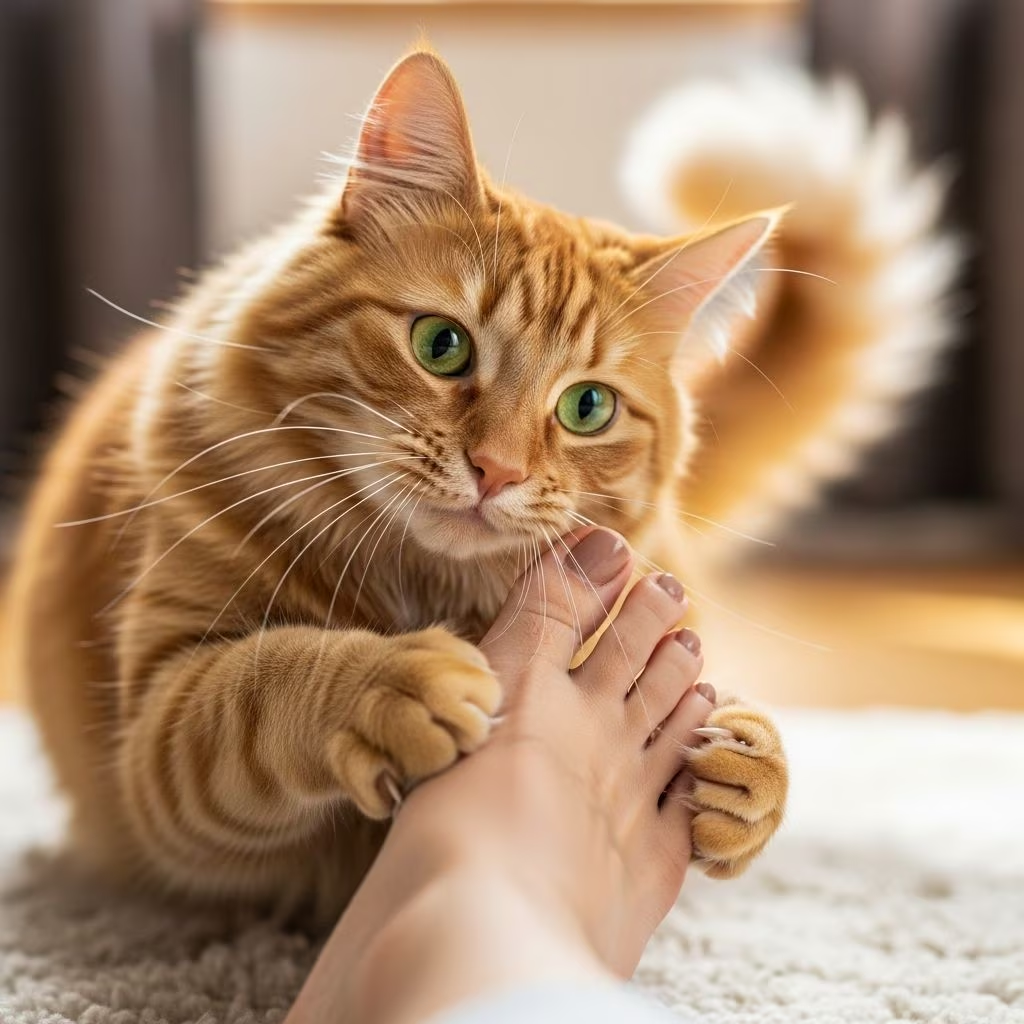
Cats often display quirky behaviors, and one of the most common is their fascination with human feet. Whether sniffing, rubbing, licking, or pouncing, many cats treat feet like irresistible toys or sources of vital information. This obsession stems from their heightened senses, instincts, and social needs. Understanding these behaviors helps strengthen the bond between you and your feline friend while addressing any underlying needs like play or enrichment.
Feet are particularly appealing because they carry strong odors from sweat glands, pheromones, and environmental exposure. Cats possess around 200 million olfactory receptors—far more than humans’ 5 million—making feet a treasure trove of scents. Below, we delve into the eight primary reasons behind this foot-focused fixation.
The 8 Reasons Cats Like Feet
1. Affection
Cats express love in unique ways, often mimicking behaviors they use with other cats. Licking or grooming your feet is a sign of deep affection, as cats groom close companions to strengthen bonds. This allogrooming reinforces social ties and shows you’re family.
Cuddling feet also allows cats to get physically close, associating the strong foot scents with your presence and comfort. If your cat nuzzles or lies on your feet, it’s their way of saying, “You’re mine, and I feel safe with you.” This behavior is more pronounced in secure, trusting relationships.
2. Scents
Your feet are scent hotspots due to apocrine sweat glands that release pheromones, influenced by mood, health, diet, and activities. Cats detect these subtle chemical signals imperceptible to humans, using feet as a ‘news feed’ about your day.
Sniffing reveals where you’ve been, other animals encountered, or even dietary changes. With their superior sense of smell, cats find this enriching, satisfying curiosity and providing environmental stimulation. Feet at ground level mirror a cat’s world, amplifying their appeal.
3. Marking Territory
Cats have scent glands in their cheeks, paws, and face, releasing pheromones when rubbing. Face-rubbing on feet claims you as territory, especially if rival scents (like other cats) are detected. This ‘friendly marking’ mixes your scents with theirs, signaling ownership.
Pawing or head-butting feet serves the same purpose, depositing cheek pheromones. It’s a loving act, ensuring no intruders challenge their bond with you. Multi-cat homes see this more frequently as cats reinforce hierarchies.
4. Attention-Seeking
Bored or needy cats target feet because movement provokes reactions. Like keyboard-walking, foot interactions guarantee engagement—pets, play, or scolding all count as attention.
This smart strategy works reliably; cats learn quickly that batting or staring at feet yields results. Provide interactive toys or scheduled play to redirect, preventing escalation to unwanted behaviors.
5. Hunting Instincts
Cats are obligate predators; wiggling toes or shifting feet mimic prey. Pouncing, grabbing, and bunny-kicking activate their chase drive, even in well-fed pets. Feet’s low position and motion make them prime ‘hunt’ targets.
This play-hunting hones skills inherited from wild ancestors. Kittens practice on siblings; adults on accessible feet. Discourage by redirecting to toys, avoiding reinforcement through reaction.
6. Playfulness
Beyond hunting, pure playfulness drives gentler interactions like batting or chasing without aggression. Frisky cats turn feet into toys for fun, silliness, or boredom relief.
Daily exercise prevents excess energy buildup. Rotate toys, use wand teasers, or laser pointers to channel playfulness appropriately, keeping interactions light-hearted.
7. Tastes
Feet boast over 250,000 sweat glands per foot, secreting salty sweat, dead skin, and pheromones. Cats, with savory preferences, may lick for the appealing taste, especially post-exercise.
Diet influences flavor; salty or garlicky foods intensify appeal. Though not primary, tasting explains licking in some cats. Hygiene matters—clean feet reduce attraction if unwanted.
8. Comfort and Bonding
Feet offer warmth and stability, ideal for lounging. Licking provides comfort akin to nursing, releasing endorphins for both. It’s a trust sign; vulnerable grooming shows security.
In social cats, feet facilitate bonding through mutual scent exchange, deepening emotional ties.
Is It Normal for Cats to Like Feet?
Absolutely—foot fascination is widespread and natural, rooted in evolution. Excessive aggression or sudden changes warrant vet checks for pain or stress. Otherwise, embrace it as feline normalcy.
How to Manage Cat Foot Obsession
- Enrich Environment: Puzzle feeders, cat trees, and window perches combat boredom.
- Scheduled Play: 15-20 minutes twice daily exhausts energy.
- Redirect Gently: Offer toys instead of reacting to feet.
- Hygiene: Wash feet/socks to minimize scents if licking annoys.
- Socialize Early: Kittens learn boundaries through positive reinforcement.
These strategies balance instincts with household harmony.
Frequently Asked Questions (FAQs)
Why does my cat lick my feet?
Cats lick feet for affection (grooming), taste (salty sweat), scent gathering, or bonding. It’s rarely just flavor—often a mix of love and curiosity.
Why does my cat bite my feet?
Biting stems from hunting instincts or play. Moving feet trigger pouncing; provide alternatives to curb.
Why does my cat rub against my feet?
Rubbing marks territory with cheek pheromones, mixing scents to claim you. It’s affectionate ownership.
Is cat foot obsession a sign of hunger?
Rarely; taste plays a minor role. Ensure balanced diet, but behavior ties more to instincts.
Should I stop my cat from playing with feet?
Redirect to toys for safety. Consistent training prevents scratches; ignore unwanted play.
Understanding Feline Scent World
Cats navigate via pheromones—chemical messages for communication. Feet amplify these, explaining fixation. Respecting this enhances welfare.
Table: Cat Scent Glands and Behaviors
| Gland Location | Behavior | Purpose |
|---|---|---|
| Cheeks | Rubbing | Territory marking, affection |
| Paws | Pawing/scratching | Claiming surfaces |
| Tail base | Raised tail brush | Social greeting |
| Feet (human) | Sniffing/licking | Info gathering, bonding |
This table highlights how cats use scents daily.
Foot love reveals cats’ complex world—sensory-rich, instinct-driven. By addressing reasons, owners foster happier pets.
References
- Why Do Cats Like Feet? 8 Interesting Reasons — Catster. 2023. https://www.catster.com/cat-behavior/why-do-cats-like-feet/
- Shocking: Why Your Cat Really Likes Your Feet — Feline Fanatics (YouTube). 2025-03-16. https://www.youtube.com/watch?v=nF0O2qd-Hik
- Why Do Cats Love Feet? — Two Crazy Cat Ladies. N/A. https://twocrazycatladies.com/cat-behavior/why-do-cats-love-feet/
- 4 Reasons Why Cats Lick Your Feet & Toes — Lady N Pet. N/A. https://ladynpet.com/us/blog/why-does-my-cat-lick-my-feet/



