

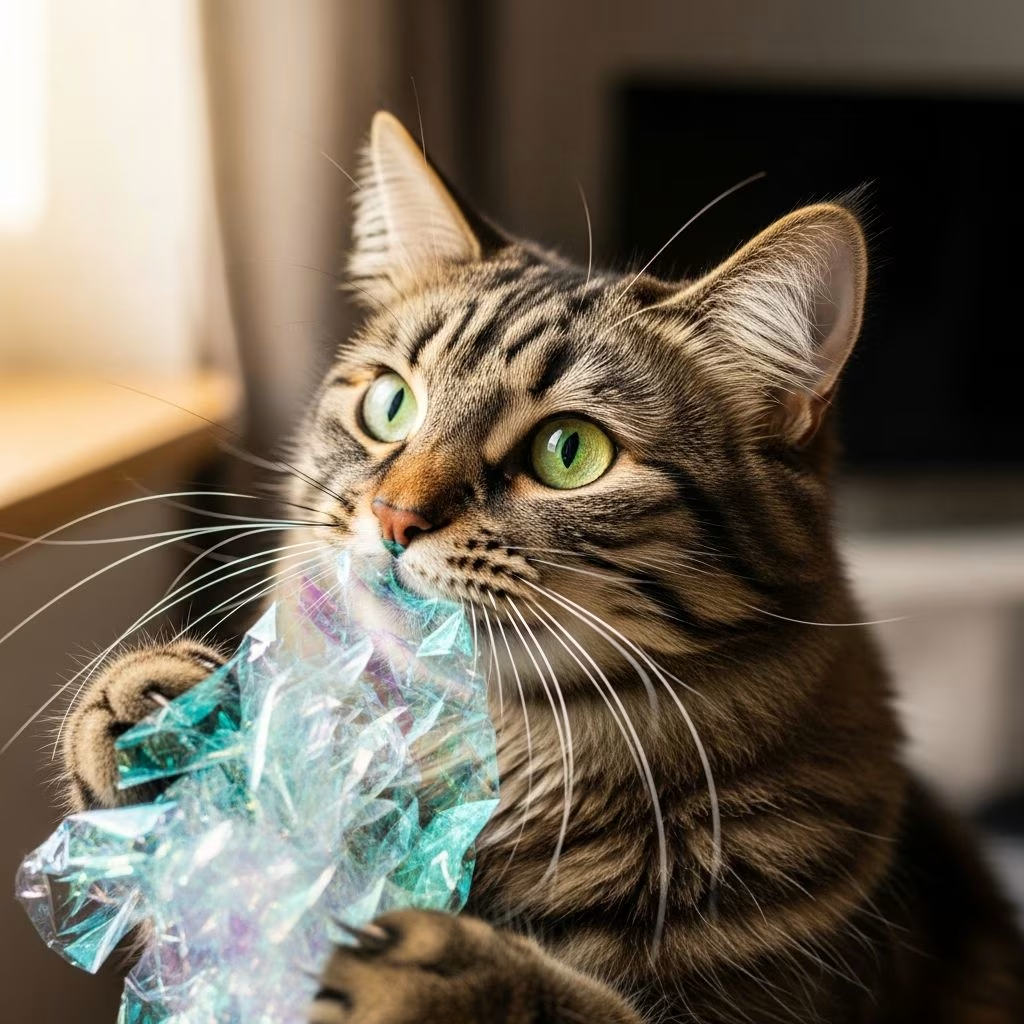
Cats possess an undeniable fascination with crinkly objects, from plastic bags to specialized toys that rustle and crackle with every touch. This quirky behavior captivates pet owners worldwide, as felines pounce, bat, and chew these items with unbridled enthusiasm. But what drives this obsession? While the exact reasons remain somewhat mysterious, experts point to a combination of superior hearing, instinctual responses, learned associations, and sensory appeal. Understanding these motivations not only deepens our bond with our cats but also helps ensure their play remains safe and enriching.
In this comprehensive guide, we’ll delve into the **five primary reasons** why cats like crinkly things, drawing from veterinary insights and behavioral studies. We’ll also address safety concerns, offering practical tips to keep your cat’s adventures hazard-free. Whether your kitty targets treat bags or homemade crinkle balls, these explanations shed light on their captivating world.
The 5 Reasons Why Cats Like Crinkly Things
Cats’ affinity for crinkly sounds stems from their evolutionary biology and everyday experiences. Here’s a detailed breakdown of the top explanations:
1. Unusual Sound
Cats’ hearing far surpasses humans’, detecting frequencies up to **85,000 Hz**—roughly three times our upper limit of about 20,000 Hz. This acute sensitivity allows them to pick up subtle environmental cues, like the rustle of leaves or tiny prey movements. The distinct crackle of crinkly materials stands out amid household drone, sparking curiosity and excitement.
Imagine a cat’s world as a symphony of hidden sounds; a plastic wrapper’s crisp pop is like a spotlight solo. This novelty triggers investigation, play, and even hunting postures. However, not all similar noises appeal equally—many cats recoil from aluminum foil’s higher pitch, which can border on painful for their sensitive ears.
2. Crinkly Noises Can Mimic Natural Prey
Deep-rooted predator instincts play a starring role. The erratic crackle of crinkly toys echoes the chirps, rustles, and scurries of small prey like mice, crickets, or rodents navigating dry leaves. Even indoor cats, never exposed to the wild, retain these hardcoded responses honed over millennia.
Domestic cats descend from African wildcats, retaining hunting drives despite 10,000+ years of companionship. A crinkle mimics foliage crunching underfoot or prey fleeing through underbrush, igniting the chase. This explains why cats stalk, pounce, and ‘kill’ these toys with such vigor—it’s play-hunting at its finest.
3. They Know It Means Food
Cats are master associators, linking sounds to rewards with remarkable speed. If treats emerge from a noisy plastic bag, that crinkle becomes a dinner bell. Your cat might sprint from another room at the mere whisper of wrapper unfurling, anticipating a snack.
This Pavlovian response extends beyond food: crinkly cat food pouches or even human chip bags elicit the same reaction. Cats’ excellent memories reinforce these bonds; once learned, the sound promises pleasure, drawing them irresistibly. It’s a testament to their intelligence and adaptability in our homes.
4. Cats Crave Attention
Loud crinkles double as attention-grabbers. When ignored, cats amplify noise to summon you—knocking crinkly items off shelves or batting bags across floors. The sharp sounds pierce distractions, compelling interaction.
This behavior highlights cats’ social nature; despite independent reputations, they seek engagement. Play sessions often ensue, fulfilling physical and emotional needs. Monitor for patterns: excessive noise-making might signal boredom or unmet stimulation.
5. Some Cats Have a Strange Attraction to Plastic
A subset of cats fixate on plastic itself, chewing bags or wrappers obsessively. Theories include texture appeal, static electricity mimicking fur, or nutritional cravings like pica (eating non-food items). The crinkle may just be a bonus to the tactile intrigue.
While harmless in moderation, chewing risks ingestion. Watch for underlying issues like deficiencies; consult a vet if persistent. Safer alternatives include rubber toys mimicking the sensation without dangers.
Are Crinkly Toys Safe for Cats?
Crinkly toys enchant cats but warrant caution. Most are safe if designed for felines—avoid dangling strings, feathers, or weak seams that could detach and cause choking or blockages. Regularly inspect for punctures; the inner crinkle material (often foil or plastic) isn’t digestible and risks gastrointestinal obstruction if swallowed.
Key safety tips:
- Choose durable, non-toxic toys labeled cat-safe.
- Supervise play, especially with household items like bags.
- Discard damaged toys immediately.
- Opt for larger items to prevent swallowing.
- Provide variety to prevent fixation on unsafe plastics.
For chewers, vet-approved chew toys reduce risks. If ingestion occurs, symptoms like vomiting or lethargy demand immediate veterinary care. Proactive checks ensure fun without peril.
Why Some Cats Dislike Crinkly Sounds Like Foil
Not universal: aluminum foil often repels cats. Its high-pitched crinkle irritates sensitive ears, sometimes triggering avoidance or Feline Audiogenic Reflex Seizures (FARS) in predisposed (often older) cats. FARS links to household noises like foil, plastic taps, or metal clinks, causing tremors or collapses.
Surface factors compound aversion: foil’s slipperiness unnerves paw pads accustomed to stable textures, evoking instability or even water-like reflections. Some use foil as a deterrent for counters or trees. Individual variation rules—test gently.
Enhancing Safe Crinkly Play: Alternatives and Tips
| Toy Type | Why Cats Love It | Safety Rating | Examples |
|---|---|---|---|
| Crinkle Balls | Mimics prey rustle | High (durable) | Silicone crinkle spheres |
| Plastic Bags (Supervised) | Texture + sound | Medium (choking risk) | Clean grocery bags |
| Fabric Crinklers | Soft + noisy | High | Sewn pocket toys |
| Aluminum Foil Balls | Texture variety | Low (sharp edges) | Avoid or small, taped |
DIY crinklers: Stuff clean plastic (e.g., chip bags) into socks, securing tightly. Rotate toys to sustain interest. Combine with feather wands for holistic enrichment.
Frequently Asked Questions (FAQs)
Q: Why do some cats chew on crinkly plastic bags?
A: Chewing stems from texture fascination, static appeal, or pica. It mimics grooming or fulfills oral needs, but monitor to prevent blockages. Offer vet-safe chews as substitutes.
Q: Is it normal for cats to hate aluminum foil sounds?
A: Yes, foil’s pitch often exceeds comfortable hearing ranges, irritating ears. It’s a common deterrent, though not all cats react identically.
Q: Can crinkly toys trigger seizures in cats?
A: Rarely, via FARS in older cats. Triggers include high-pitched crinkles; consult a vet for symptoms like twitching.
Q: How can I stop my cat from fixating on unsafe crinkly items?
A: Redirect with durable toys, increase playtime, and remove temptations. Enrichment puzzles curb boredom-driven behaviors.
Q: Do all cats like crinkly things?
A: Most do due to instincts, but personality and past experiences vary responses. Observe your cat’s preferences.
Crinkly allure reveals cats’ wild heritage amid domestic life. By grasping these drivers and prioritizing safety, you foster joyful, healthy play. Share your cat’s crinkle tales below!
References
- Why Do Cats Like Crinkly Things? 5 Possible Reasons & Risks — Catster. 2023. https://www.catster.com/cat-behavior/why-do-cats-like-crinkly-things/
- Why Do Cats Like Crinkly Things? 6 Reasons Why! — Cats.com. 2023. https://cats.com/why-do-cats-like-crinkly-things
- Vets explain what makes cats literally flip out over aluminum foil — Upworthy. 2023. https://www.upworthy.com/veterinarians-explain-what-makes-cats-literally-flip-out-over-aluminum-foil
- Strange Cat things! Why Do Cats Do that!? — YouTube (Jackson Galaxy channel). 2023. https://www.youtube.com/watch?v=NBBtGSn-7-c
- Cats play fetch — but only when they feel like it — SN Explores. 2022-10-26. https://www.snexplores.org/article/cats-play-fetch-when-they-feel-like-it
- Dear Pammy, My cat is a chewer! — Way of Cats. 2023. https://www.wayofcats.com/blog/dear-pammy-my-cat-is-a-chewer/18430



