

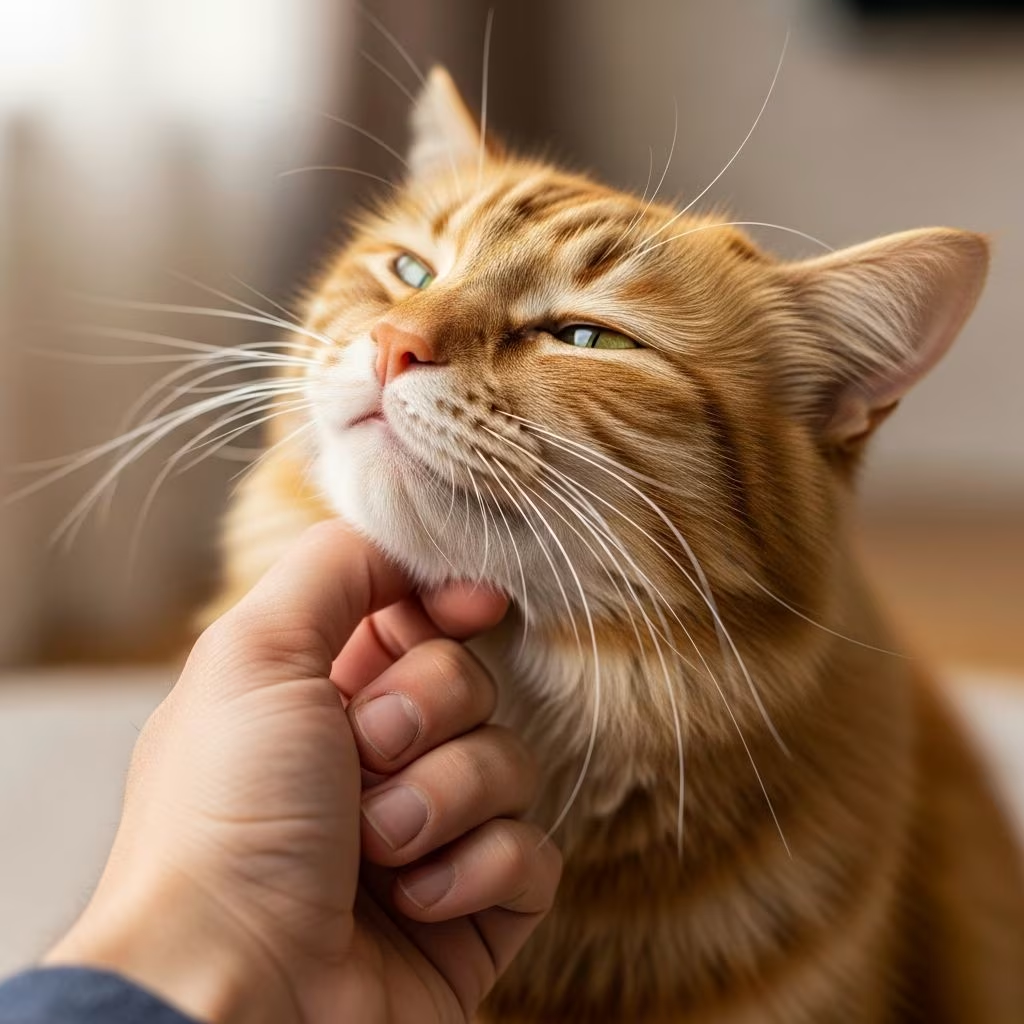
If you own a cat, you’ve likely noticed how they lean in eagerly when you offer a chin scratch. Cats frequently rub their cheeks or chin against your hand, furniture, or legs, seeking that satisfying touch. This behavior stems from scent glands on their face that release pheromones upon contact, aiding communication, territory marking, and affection displays. Beyond pheromones, multiple factors explain this love for chin scratches. This article delves into nine vet-reviewed reasons, how to tell if your cat enjoys them, frequently asked questions, and essential petting tips.
The 9 Reasons Why Cats Like Chin Scratches
Cats’ affinity for chin scratches combines physical pleasure, emotional bonding, and instinctual drives. Here’s a detailed breakdown of the key reasons.
1. It Feels Good
The simplest explanation is pure enjoyment. Chin and cheek areas are rich in sensitive nerve endings that trigger pleasure centers in the brain, releasing dopamine—a feel-good hormone. This stimulation creates a relaxing, spa-like experience, melting away stress. Cats often lean in, purr, or half-close their eyes in bliss, fully immersed in the moment without other distractions.
2. It Creates an Intimate Bond
Allowing touch in such a vulnerable spot signals deep trust. By permitting chin scratches, cats express, “I feel safe with you and want closeness.” This grooming-like interaction strengthens the human-cat bond, similar to how cats groom each other in colonies. It’s a profound sign of affection and security.
3. It’s Social
Despite their independent reputation, cats are social creatures who thrive around trusted humans. A chin rub acts as a friendly greeting, like saying, “Hello, let’s connect!” It reinforces social ties and makes them feel included in their environment.
4. They Like the Smell of Your Hands
Cats possess an extraordinary sense of smell, detecting familiar scents on your skin from lotions, soaps, or daily activities. These comforting aromas mixed with scratches enhance the appeal, making the interaction even more enjoyable.
5. They Want Attention
Cats crave interaction and cleverly use chin rubbing to solicit pets. If you’re busy, this nudge reminds you to pause and provide love. It’s an effective strategy they’ve learned works reliably.
6. They Feel Secure
Rubbing against familiar objects or people reassures cats of safety in their territory. Chin scratches affirm their environment is secure, reducing anxiety through familiar contact.
7. It’s Part of Their Instincts
Instinct drives cats to rub chins for scent marking. Glands around the chin release pheromones, claiming you as part of their world. This wild-rooted behavior persists in domestic cats, mixing your scent with theirs for group acceptance.
8. They Are Itching
Sometimes, it’s practical: the area itches due to fleas, allergies, infections, or parasites. Even with flea control, flea allergy dermatitis is common. Check treatments promptly, as unchecked itching leads to self-trauma. Consult a vet for persistent issues.
9. It Mimics Mother’s Grooming
Kittens receive face and chin grooming from mothers, linking this touch to comfort and protection. Adult cats recapture this nurturing sensation during scratches, evoking early security.
How Do I Know if My Cat Likes or Dislikes Chin Scratches?
Reading body language is crucial to avoid discomfort. Positive signs include:
- Purring loudly
- Leaning into your hand
- Relaxed posture with tail up or slow swishing
- Half-closed eyes or kneading paws
Dislike indicators demand you stop immediately:
- Flattened ears or whiskers back
- Tail thrashing or twitching rapidly
- Meowing, growling, or skin rippling
- Attempting to move away or swatting
Always let your cat guide the session length. Overstimulation can turn enjoyment into irritation.
Frequently Asked Questions (FAQs)
Q: Why does my cat rub its chin on me?
A: Cats rub chins to mark territory with pheromones from facial glands, signaling affection or ownership. Purring or meowing alongside suggests they seek attention.
Q: Do cats like chin scratches more than other petting?
A: Preferences vary by cat. Many favor chin scratches for gland stimulation, but observe cues—some prefer back or base-of-tail pets equally.
Q: Is chin scratching safe for all cats?
A: Generally yes, but avoid if your cat shows stress. For itchy cats, rule out medical issues like allergies first.
Q: How often should I scratch my cat’s chin?
A: As often as they request, in short sessions. Daily interaction builds bonds without overwhelming them.
Q: Why do some cats dislike face petting?
A: Vulnerable areas trigger caution. Build trust gradually; past negative experiences may contribute.
Petting Tips for Happy Chin Scratches
To maximize enjoyment and strengthen your bond:
- Start slow: Let them initiate by rubbing first.
- Use gentle pressure: Light scratches activate glands without overwhelming nerves.
- Watch limits: Stop at first tension sign.
- Vary techniques: Mix scratches with cheek rubs for whisker stimulation.
- Avoid if anxious: Never force on scared cats.
- Combine with play: Follow with toys for mental engagement.
These practices ensure positive experiences, promoting well-being.
Understanding Feline Scent Glands
Key to chin love are eccrine glands on cheeks, chin, forehead, and lips, producing pheromones—chemical signals for communication. Scratching spreads these, mixing scents for familiarity. This mirrors wild cats marking communal areas.
| Location | Function |
|---|---|
| Chin & Cheeks | Territory marking, affection |
| Forehead | Claiming objects/people |
| Lips & Ears | Social signaling |
| Tail Base | Mating/identity |
Health Considerations for Chin Scratching
While delightful, monitor for issues. Excessive rubbing signals allergies, mites, or ringworm. Vet checks ensure flea preventives are current; dermatitis affects even protected cats. Behavioral scratching differs from problem destructive scratching, a normal stress reliever if directed appropriately.
Regular grooming bonds while checking skin health. Use pheromone diffusers mimicking facial scents for anxious cats.
References
- Why Do Cats Like Chin Scratches? 9 Vet-Reviewed Reasons — Catster. 2023. https://www.catster.com/cat-health-care/why-do-cats-like-chin-scratches/
- Why Your Cat LOVES Cheek & Chin Rubs — YouTube (Feline Insights). 2023-10-15. https://www.youtube.com/watch?v=Etl_jp0CCqc
- 6 Reasons Why Cats Love Their Cheeks & Chin Scratched — Rover. 2022. https://www.rover.com/blog/why-do-cats-like-their-cheeks-scratched/
- Common feline problem behaviors: Destructive scratching — PMC/NCBI (Peer-reviewed). 2024-09-01. https://pmc.ncbi.nlm.nih.gov/articles/PMC11373750/
- Understanding Your Cat’s Behaviour — RSPCA. 2025 (Updated). https://www.rspca.org.uk/adviceandwelfare/pets/cats/behaviour



