

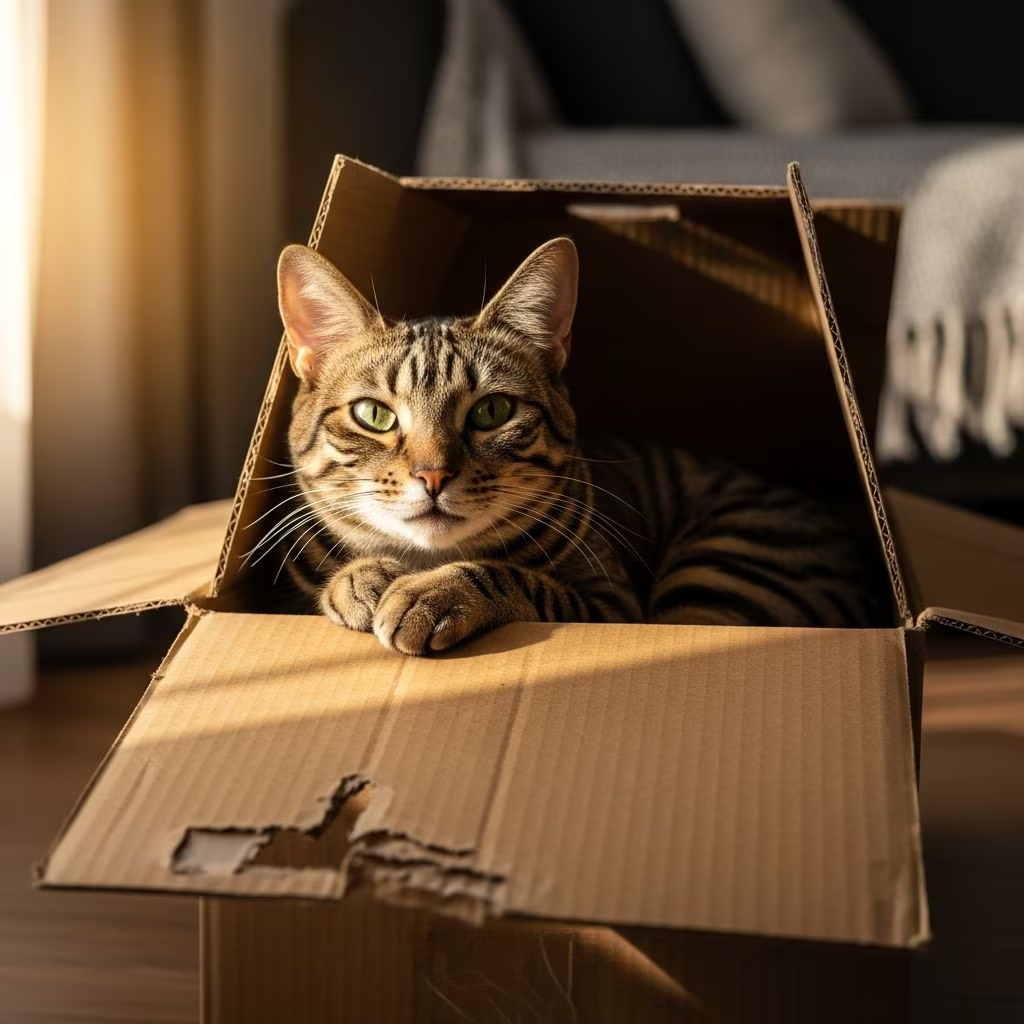
Cats’ fascination with cardboard is one of the most endearing and puzzling behaviors in the feline world. Whether it’s squeezing into a tiny box, shredding a scratcher, or lounging atop a flattened sheet, cardboard captivates cats like few other materials. This obsession isn’t random; it’s rooted in evolutionary instincts, sensory appeal, and practical benefits that align perfectly with a cat’s needs. In this comprehensive guide, we’ll dive into the science and psychology behind why cats love cardboard so much, drawing from veterinary insights, behavioral studies, and expert observations.
Understanding this behavior can help cat owners enrich their pets’ environments, reduce stress, and even protect furniture from unwanted scratching. From the insulating properties of corrugated cardboard to its role as a perfect hiding spot, we’ll cover all the key reasons. Let’s explore why your cat ignores that expensive bed in favor of a simple Amazon box.
Cardboard vs. Corrugated Cardboard: What’s the Difference?
To grasp why cats prefer certain types of cardboard, it’s essential to distinguish between plain cardboard and corrugated cardboard. Plain cardboard is a thick paper stock used for items like cereal boxes—smooth, flat, and unremarkable to most cats. Corrugated cardboard, however, is a multi-layered marvel: it features flat outer layers sandwiching a wavy, ruffled inner section filled with air pockets. This structure creates the crinkly texture and resilience that drive cats wild.
Cats aren’t just attracted to any cardboard; they crave the corrugated variety for its durability and sensory feedback. The air pockets allow claws to sink in deeply without immediate destruction, providing satisfying resistance. When scratched, it produces a distinctive crinkling sound that mimics prey rustling in leaves, triggering predatory instincts. This difference explains why a simple cardboard scratcher outperforms flimsy alternatives.
The Science Behind Cats’ Love for Cardboard
Scientific research offers clues into this quirky affinity. A study published in Applied Animal Behaviour Science suggests that the smell of corrugated cardboard has soothing properties, potentially releasing calming pheromones or evoking familiar environmental scents. Cats’ acute sense of smell detects subtle odors absorbed into the porous material, creating a comforting olfactory haven.
Behaviorally, cardboard engages multiple senses: tactile (rough texture for paws), auditory (crinkles and shreds), and even thermal (insulation). Veterinary behaviorists note that this multi-sensory stimulation satisfies innate needs, reducing boredom and anxiety. In shelters, providing cardboard boxes has been shown to lower stress hormones in cats, proving its therapeutic value.
Top Reasons Why Cats Like Cardboard Boxes
Cardboard boxes are more than packaging discards—they’re feline paradises. Here are the primary reasons cats flock to them:
- Safety and Hiding Opportunities: As both predators and prey, cats seek enclosed spaces for security. Boxes allow them to observe the world while remaining hidden, boosting confidence and reducing vulnerability. In multi-cat homes or stressful environments, this retreat prevents conflicts.
- Excellent Insulation and Warmth: Corrugated cardboard traps body heat effectively, creating a cozy microclimate. Cats, preferring temperatures around 86°F (30°C), curl up in boxes to stay toasty, especially in cooler homes.
- Stress Relief: A 2014 study found cats with access to boxes adapted faster to new environments, showing lower cortisol levels. Boxes act as ‘hide and perch’ spots, elevating cats off the ground for added security.
- Play and Predatory Stimulation: Boxes invite pouncing, ambushing, and shredding. Cut holes turn them into playgrounds, mimicking hunting scenarios where cats hide before striking.
- Scent Marking and Territory: Cats rub and scratch to deposit pheromones from paw glands. Cardboard absorbs these scents, reinforcing ownership.
Why Cats Love Cardboard Scratchers
Beyond boxes, corrugated scratchers are cat magnets. Their texture is ideal for claw maintenance—sharpening, shedding old nail sheaths, and stretching muscles. Unlike sisal or carpet, cardboard yields satisfying shreds and sounds, encouraging use over furniture.
Experts recommend placing scratchers near favored spots, rotating them for novelty. Vertical and horizontal options cater to different preferences, with many cats kneading while scratching, a soothing ‘making biscuits’ behavior. Economically, they’re disposable and affordable, making them practical for multi-cat households.
Sensory Appeal: Texture, Sound, and Smell
Cats’ sensory world amplifies cardboard’s allure. The rough, fibrous texture massages sensitive paw pads, providing relief akin to an itch-scratcher. Crinkling noises stimulate hunting reflexes, while the material’s absorbency traps intriguing scents—from food residues to outdoor adventures.
In noisy homes, boxes muffle sounds, offering acoustic refuge. This sensory cocktail explains why cats shred boxes into confetti: it’s playful destruction fulfilling predatory urges.
Cardboard in Multi-Cat Homes and Shelters
In group settings, cardboard reduces tension. Multiple boxes allow resource separation, minimizing fights. Shelters use them strategically: upright for hiding, sideways for perching. This simple intervention improves welfare, adoption rates, and health.
For queens, boxes provide nesting privacy, preserving heat and reducing stress for safer litters. Owners can replicate this with dedicated ‘box stations’.
Potential Downsides and Safety Tips
While beneficial, excessive chewing may signal pica or boredom—monitor for nutritional issues or teething in kittens. Avoid taped boxes to prevent ingestion hazards. Refresh scratchers regularly to maintain appeal and hygiene.
| Cardboard Benefit | Cat Need Fulfilled | Practical Tip |
|---|---|---|
| Hiding/Safety | Security | Provide boxes in quiet corners |
| Insulation | Warmth | Use in drafty areas |
| Scratching | Claw health | Place near furniture |
| Play | Enrichment | Cut holes for tunnels |
Frequently Asked Questions (FAQs)
Why do cats prefer cardboard boxes over fancy beds?
Boxes offer security, warmth, and novelty that beds often lack. Cats prioritize instincts over luxury.
Is it normal for cats to chew cardboard?
Occasionally yes, for play or teething. Persistent chewing warrants a vet check for pica.
How can I encourage my cat to use a cardboard scratcher?
Place it in high-traffic areas, sprinkle catnip, and reward use. Rotate positions for interest.
Do all cats like cardboard?
Most do, due to innate preferences, but individual personalities vary. Offer options.
Can cardboard boxes help stressed cats?
Absolutely—studies show they speed adaptation and lower stress in new environments.
Enhancing Your Cat’s Environment with Cardboard
Embrace this love affair: DIY forts from boxes, invest in quality scratchers, and rotate for engagement. Your cat’s happiness (and your furniture) will thank you. Cardboard proves that simple, instinct-aligned enrichment trumps gimmicks.
References
- Why Cats Love Corrugated Toys — Coastal Pet Products. 2023. https://www.coastalpet.com/blog/why-cats-love-corrugated-toys/
- Why do cats like boxes? Expert Insights — The Cat Behavior Clinic. 2024. https://www.thecatbehaviorclinic.com/my-cat-loves-boxes-is-this-normal/
- Why Do Cats Like Boxes So Much? Top 7 Reasons — Cats.com. 2024. https://cats.com/why-do-cats-like-boxes
- Why Do Cats Like Boxes? — PetMD. 2024-10-15. https://www.petmd.com/cat/behavior/why-do-cats-like-boxes
- The True (and Disturbing) Reason Cats Love Boxes — Feline Fanatics (YouTube). 2024-12-08. https://www.youtube.com/watch?v=FzjH23g4-hc



