

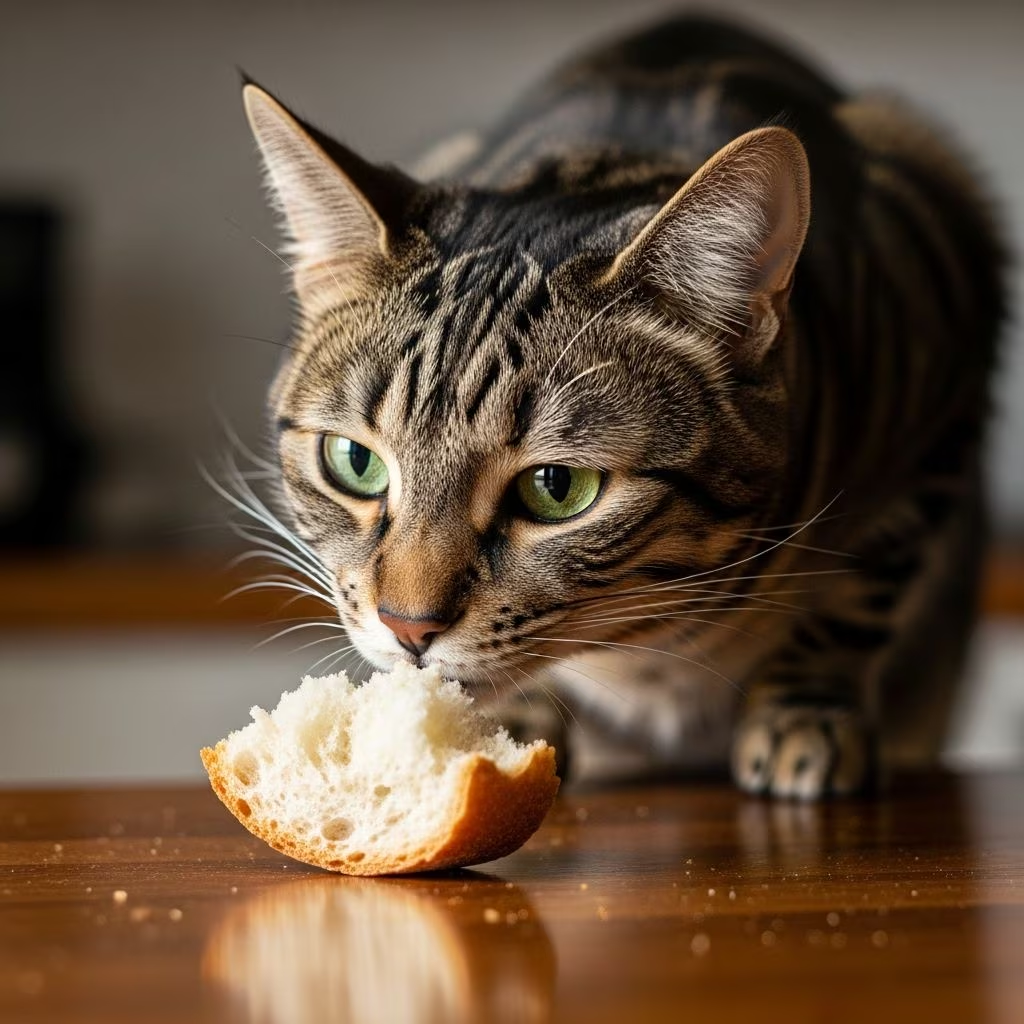
Cats exhibit quirky behaviors, and an unexpected fondness for bread is one that puzzles many owners. While wild cats wouldn’t encounter bread, domestic felines often beg for it due to its appealing qualities. This article delves into the four primary reasons cats are drawn to bread, assesses its safety, highlights risks, and suggests superior treat alternatives. Backed by veterinary insights, we’ll help you understand and manage your cat’s bread obsession responsibly.
The 4 Possible Reasons Why Cats Love Bread
Not all cats share this preference—some ignore bread entirely while others paw at it relentlessly. Individual tastes vary, much like human food preferences. Here are the most common explanations for this behavior, drawn from feline behavior observations and owner reports.
1. They Like the Smell
Freshly baked bread emits an intoxicating aroma that captivates humans and cats alike. The warm, yeasty scent can trigger excitement in sensitive feline noses, which possess over 200 million olfactory receptors compared to our mere 5 million. Some owners speculate it’s the yeast specifically, though no peer-reviewed studies confirm this. Regardless, a compelling smell often draws cats to investigate and nibble.
This sensory appeal explains why cats might hover near the oven or counter during baking. The scent mimics comforting, warm environments, potentially evoking positive associations from kittenhood near human kitchens. If your cat meows or rubs against bread bags, aroma is likely the culprit.
2. They Like the Texture
Texture plays a pivotal role in feline food enjoyment, just as it does for us. Bread varieties offer diverse mouthfeels: crusty baguettes provide crunch, soft rolls deliver chewiness, and buttery brioche feels indulgent. Cats may develop preferences, repeatedly seeking their favorite type.
For instance, a cat ignoring plain white bread but devouring seeded rye might favor the varied chew or subtle grain pops. This selectivity underscores how texture influences appeal, encouraging play-like eating that extends snack time. Observe your cat’s choices to confirm if texture drives the habit.
3. The Sound Is Interesting
Cats’ acute hearing detects subtle noises we overlook, and crunchy bread delivers satisfying snaps and crunches. This auditory feedback adds novelty to eating, stimulating curious kitties who treat meals as interactive experiences. Not all bread qualifies—soft loaves lack this perk—but crusty or toasted varieties excel here.
If your cat targets only crisp-edged pieces, sound could be key. This mirrors how cats enjoy kibble’s rattle or crinkle of treat bags, turning consumption into sensory entertainment. It’s a harmless quirk unless it leads to overeating accessible loaves.
4. It’s in Reach
Opportunistic hunters by nature, cats exploit easy targets. Bread often sits unprotected on counters or in flimsy bags, inviting theft. Thin plastics pose no barrier to determined claws and teeth, making it simpler prey than secured cat food.
This isn’t always true love for bread; hunger or boredom drives many raids. Cats sample whatever’s available, and bread’s ubiquity wins out. Secure storage prevents issues, redirecting focus to appropriate foods. Availability often masquerades as preference in household scavengers.
Should Cats Eat Bread?
Plain baked bread isn’t toxic in tiny amounts, but it’s far from ideal. Cats are obligate carnivores requiring high-protein, low-carb diets for optimal health. Bread delivers empty calories—primarily carbohydrates their bodies inefficiently process—risking obesity without nutritional value.
A single white bread slice equals about one-fifth of an average cat’s daily caloric needs, per veterinary nutritionists. Regular nibbles displace vital nutrients from meat-based foods, potentially leading to deficiencies in taurine or arachidonic acid essential for heart and vision health.[10] Limit to occasional crumbs, plain and untoasted.
Health Risks of Bread for Cats
- Obesity and Diabetes: Excess carbs convert to fat, promoting weight gain in sedentary indoor cats.
- Digestive Upset: Lacks fiber balance; large pieces cause bloating or constipation.
- Nutrient Dilution: Fills stomachs without proteins, vitamins, or fats cats need.
Bread’s utility shines in pill-pocketing for medication, as soft bits mask bitter tastes better than some alternatives, though savvy cats may detect and reject it.
Dangerous Types of Bread to Avoid
Not all bread is equal; ingredients matter greatly. Steer clear of varieties posing toxicity risks.
| Bread Type | Risks | Why Avoid |
|---|---|---|
| Garlic/Onion Bread | Toxic | Contains allium compounds damaging red blood cells. |
| Raw Dough | Life-Threatening | Yeast ferments, expands in stomach, causing bloat or obstruction; alcohol production leads to intoxication. |
| Raisin/Chocolate Loaves | Toxic | Kidney failure from raisins; theobromine poisoning from chocolate. |
| Herb/Spice Breads | Potentially Harmful | Unknown effects; consult vet for safety. |
World Small Animal Veterinary Association warns human-safe foods can harm pets; always check labels. Opt for plain, fully baked loaves if sharing.
Healthier Alternatives to Bread for Cats
Prioritize species-appropriate treats mimicking ancestral prey: high-protein, low-carb options enhancing nutrition.
- Boiled Chicken or Turkey: Lean, plain proteins packed with amino acids; low-calorie rewards.
- Fish like Salmon: Omega-3s for coat and joints; cook thoroughly to avoid parasites.
- Catnip Toys/Treats: Stimulates happy receptors without calories; induces euphoric rolling.
- Commercial Cat Treats: Formulated for dental health, taurine content; freeze-dried meats excel.
- Steamed Veggies (Sparse): Pumpkin aids digestion minimally; avoid grains like oats.
These satisfy cravings healthily. A couple bread nibbles weekly max if insisted, but protein swaps prevent bad habits.
Frequently Asked Questions (FAQs)
Is bread safe for cats?
Plain baked bread is safe in very small amounts occasionally, but offers no benefits and risks weight gain. Avoid raw or flavored types.
Why does my cat steal bread from the counter?
Accessibility and opportunism; cats target easy food sources. Store securely.
Can bread dough hurt my cat?
Yes, severely—expands, blocks digestion, produces alcohol. Keep away.
What if my cat ate garlic bread?
Contact vet immediately; garlic causes anemia. Monitor for vomiting, lethargy.
Are there nutritional benefits to bread for cats?
No, it’s empty calories. Cats thrive on animal proteins, not carbs.[10]
Conclusion
Cats’ bread affinity stems from smell, texture, sound, or convenience, but moderation is crucial. While small plain portions won’t harm, prioritize protein-rich alternatives for health. Consult your vet for personalized advice, ensuring your feline enjoys safe, nutritious indulgences. Secure storage curbs access, fostering better habits.
References
- Why Do Cats Like Bread So Much? 4 Possible Reasons & Vet Advice — Catster. 2023. https://www.catster.com/nutrition/why-do-cats-like-bread/
- Can Cats Eat Bread? Is it Safe or Unsafe? — Hill’s Pet Nutrition. 2024-10-15. https://www.hillspet.com/cat-care/nutrition-feeding/can-cats-eat-bread
- Can Cats Eat Bread? Cat Expert Explains! — Catster (YouTube). 2023. https://www.youtube.com/watch?v=f63Ei1Ixfqk
- What Can Cats Eat Besides Cat Food? Vet-Verified Nutrition Guide — Catster. 2024. https://www.catster.com/nutrition/what-can-cats-eat-besides-cat-food/
- World Small Animal Veterinary Association Nutrition Toolkit — WSAVA. 2024. https://wsava.org/global-guidelines/global-nutrition-toolkit/



