

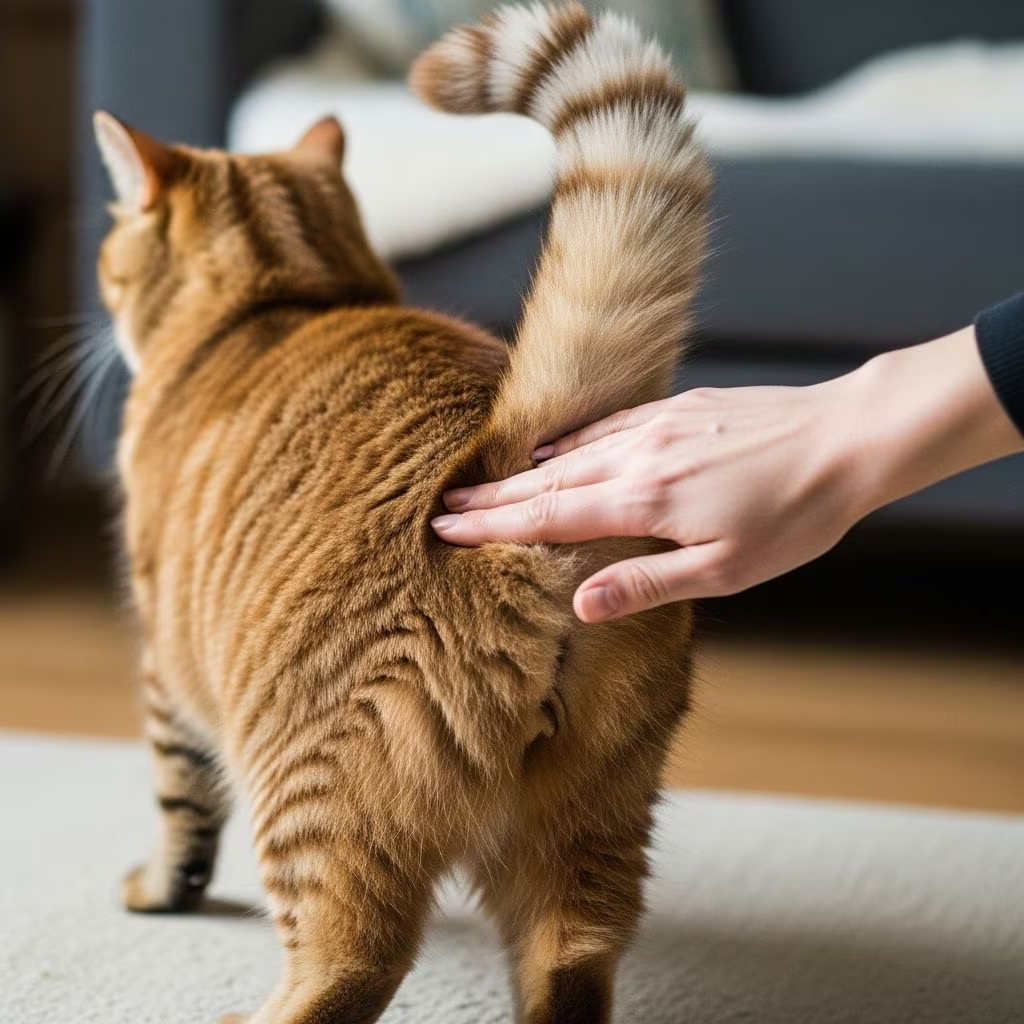
Many cat owners notice their felines raising their rear ends or purring during gentle pats on the bottom. This quirky behavior puzzles some but delights others. While not all cats enjoy it, those that do often display clear enthusiasm, like elevating their tail base or meowing for more. Understanding this helps strengthen the human-cat bond while ensuring interactions remain safe and enjoyable.
Cat behavior experts attribute this preference to a mix of physiological, instinctual, and social factors. The area around a cat’s rump is rich in nerve endings, making it highly sensitive. Light slapping or patting can stimulate these without causing discomfort for receptive cats. However, always observe your cat’s body language—relaxed ears, raised tail, and purring indicate approval, while flattened ears or swatting signal displeasure.
The 7 Likely Reasons Why Cats Like Bottom Slapping
Not every cat craves rear-end attention, but for those that do, several overlapping reasons explain the appeal. These insights draw from veterinary observations and feline neurology, helping owners interpret and respond appropriately.
1. It Feels Good: Nerve Endings and Sensory Pleasure
The primary reason many cats adore bottom pats is the sheer pleasure it provides. Cats possess a dense concentration of nerve endings at the base of their tail and rump area. These sensory nerves, including those in the lumbosacral plexus connected to pelvic and pudendal nerves, transmit signals directly to the spinal cord and brain.
When lightly patted or slapped, this stimulation can trigger the release of dopamine and oxytocin—hormones associated with happiness and contentment. It’s akin to a natural massage, activating acupressure-like points without requiring deep pressure. Owners often report their cats arching into the touch, eyes half-closed in bliss, confirming the sensory reward.
This isn’t universal; sensitive cats may find it overstimulating. Start with feather-light touches and gauge reactions to avoid discomfort.
2. They Enjoy the Attention
Cats, despite their independent reputation, thrive on acknowledgment from their favorite humans. A gentle butt pat serves as a clear signal of affection and presence, fulfilling their need for interaction.
Even aloof cats may seek this out during bonding moments. If you pat once and your cat responds positively—perhaps by approaching for more—they’ve learned it equates to quality time. This reinforces positive associations, encouraging repeat requests. It’s a simple way to communicate “I see you and love you,” boosting their emotional security.
- Signs of attention-seeking: Cat positions rump toward you, vocalizes softly, or rubs against your hand.
- Tip: Combine with verbal praise for amplified bonding.
3. Sexual Satisfaction or Hormonal Response
For some cats, especially unspayed females in heat, bottom patting mimics mating stimulation, providing relief from hormonal urges. Intact males may respond similarly due to prostate-area sensitivity.
During estrus, females exhibit lordosis—raising hindquarters and treading paws—which patting can soothe. Spayed or neutered cats still enjoy it sans sexual context, as residual nerve responses persist. Always prioritize spaying/neutering to prevent health issues like unwanted litters or cancers.
If your cat shows heat signs (yowling, rolling, urine spraying), consult a vet for sterilization advice.
4. It Can Be Considered a Form of Play
Cats are natural athletes disguised as couch potatoes. A light slap on the bottom often ignites their playful instincts, signaling game time.
This “rough play” echoes kitten tussles or hunts, where chasing and pouncing release energy. If your cat perks up, chases your hand, or initiates pouncing post-pat, lean into it with toys like feather wands. Play strengthens muscles, reduces obesity risks, and deepens bonds—aim for 15-20 minutes daily.
| Play Style | Benefits | Safe Toys |
|---|---|---|
| Rough Pat-Initiated | Energy release, bonding | Soft balls, tunnels |
| Chase Games | Hunting simulation | Wands, laser pointers |
| Interactive Toys | Mental stimulation | Puzzle feeders |
5. Petting Is Linked to Their Grooming Habits
Cats associate petting with self-grooming or allogrooming (mutual grooming among cats), which feels soothing and communal. Their rough tongues distribute saliva for cleaning, but hard-to-reach rear areas get vigorous licks.
Your pats replicate this, scratching itches they can’t. Allogrooming signifies trust in social hierarchies, so your involvement affirms your “colony” status. Watch for cats getting “trance-like” during sessions, reminiscent of grooming bliss.
6. Reinforcement of Social Bonding
Physical touch like bottom patting solidifies emotional ties. Cats read human cues subtly; consistent gentle pats convey acceptance and joy in their company.
This mirrors feral cat colony dynamics, where grooming maintains alliances. For indoor cats, it combats loneliness, especially post-vet stress or isolation. Result? A happier, more affectionate pet who grooms you back.
7. Release of Tension or Aggression
Life stresses vets, new pets, or loud noises can tense cats. Bottom pats offer a safe outlet, channeling aggression into positive sensation.
The rhythmic pressure massages tense muscles, promoting relaxation via endorphin release. Post-stress enjoyment (e.g., after carrier time) highlights this therapeutic role. Pair with pheromone diffusers for enhanced calm.
Is It Dangerous to Slap Your Cat’s Bottom?
Gentle patting poses no danger for approving cats, but excess force risks bruising sensitive skin or eroding trust. Key rules:
- Observe signals: Run away? Swat? Stop immediately.
- Use open palm, light pressure—like a soft drum tap.
- Avoid if cat has wounds, abscesses, or pain (e.g., arthritis).
- Never force; consent is key to healthy relationships.
Vets note over-patting leads to petting-induced aggression—sudden bites from overstimulation. Respect boundaries to prevent fear-based behaviors.
Frequently Asked Questions (FAQs)
Why does my cat raise its butt when I pet it?
This lordosis posture exposes scent glands and invites more stimulation, signaling trust and pleasure.
Do all cats like bottom pats?
No, preferences vary by personality, history, and sensitivity. Respect individuals who decline.
Is bottom slapping okay for kittens?
Gentle pats yes, but prioritize socialization and maternal-like grooming to build confidence.
What if my cat suddenly hates it?
Check for pain, stress, or age-related changes. Vet visit recommended if persistent.
Can this replace regular grooming?
No, but it complements; brush regularly to prevent mats, especially long-haired breeds.
In summary, cats’ love for bottom slapping stems from biology and emotion. Tune into your cat’s cues for joyful interactions.
References
- Why Do Cats Like Being Slapped on the Bottom? 7 Likely Reasons — Hepper. 2023. https://articles.hepper.com/why-do-cats-like-being-slapped-on-the-bottom/
- Why Do Cats Like Their Butt Patted? 7 Vet-Reviewed Reasons — Catster. 2023. https://www.catster.com/cat-behavior/why-do-cats-like-being-slapped-on-the-bottom/
- Why Do Cats Like Bum Pats? EXPLAINED — YouTube (Veterinary Secrets). 2023. https://www.youtube.com/watch?v=72N9W6bx74c
- Cat Anatomy: Neural Plexuses and Sensory Responses — Journal of Feline Medicine and Surgery (via PubMed). 2020-01-15. https://journals.sagepub.com/doi/full/10.1177/1098612X19894259
- Oxytocin and Dopamine in Feline Social Behavior — Applied Animal Behaviour Science. 2022-06-01. https://doi.org/10.1016/j.applanim.2022.105678



