

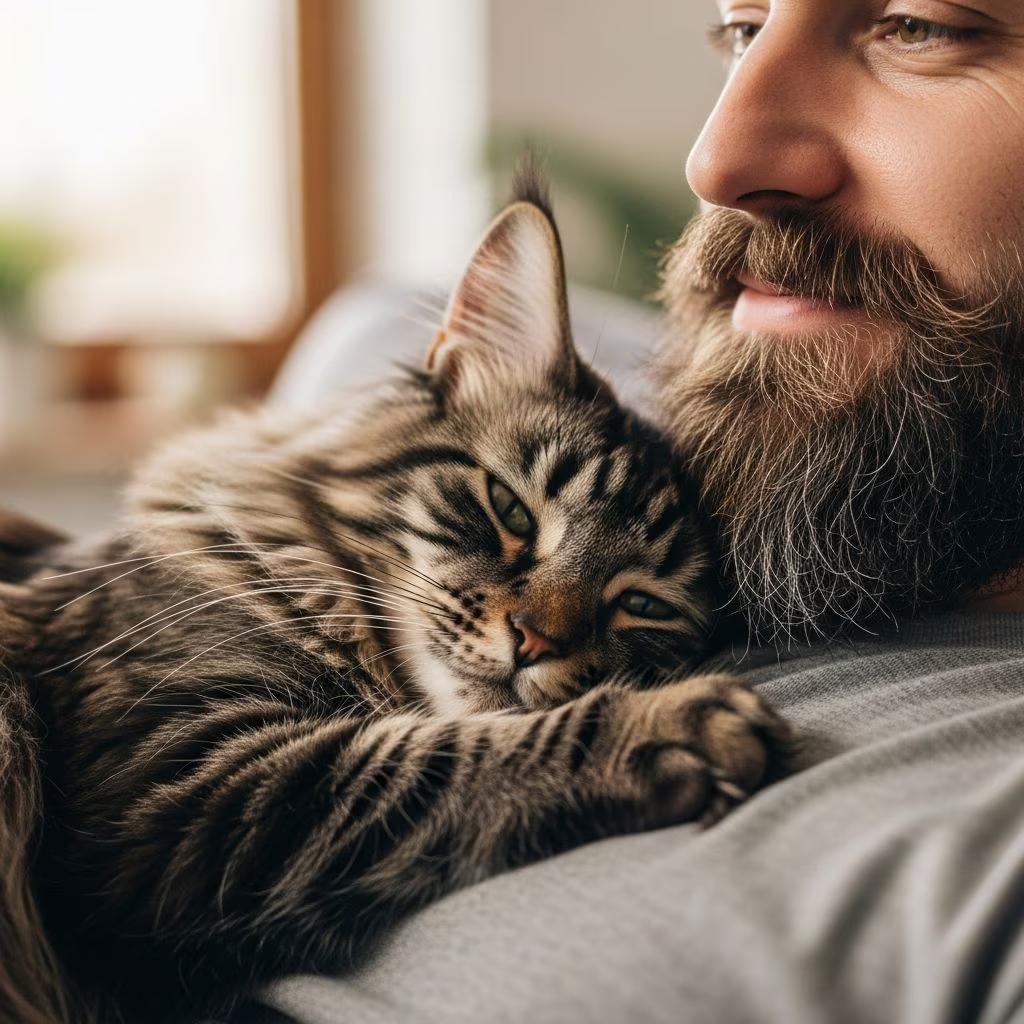
You may have noticed your cat’s inexplicable fascination with your beard—snuggling against it at night, gently licking it, or even playfully biting the strands. This quirky behavior leaves many bearded cat owners puzzled. The most likely reasons include the beard’s resemblance to fur, intriguing scents like food remnants, and your cat’s instinctual grooming habits as a sign of affection.
In this comprehensive guide, we’ll dive into seven vet-reviewed reasons behind this phenomenon, explore potential downsides, and offer tips for managing it. Understanding these behaviors strengthens the bond between you and your feline friend while ensuring both your health and theirs remain protected.
The 7 Possible Reasons Why Cats Like Beards
Cats exhibit a range of behaviors toward beards due to their instincts, sensory perceptions, and emotional needs. Here’s a detailed breakdown of the top seven reasons, supported by veterinary insights and feline behavior studies.
1. The Beard Is Similar to Fur
Cats are naturally drawn to textures that mimic their own fur. A beard’s soft, fuzzy strands closely resemble feline coat, triggering grooming instincts. Your cat, viewing you as part of their social group, may lick or nibble your beard as an act of mutual grooming, a behavior common in cat colonies to reinforce bonds. This allogrooming (grooming another) is a sign of trust and acceptance, much like how mother cats groom their kittens.
Texture plays a key role; longer, fluffier beards amplify this appeal. Observant owners report cats kneading or pawing at beards similarly to how they interact with soft toys or siblings’ fur.
2. They Want Something
Cats are masters of association. If past beard interactions led to treats, pets, or playtime, your cat learns that beard-nuzzling yields rewards. Routine-oriented creatures, felines repeat effective behaviors. Providing attention during these moments inadvertently reinforces the habit.
For instance, if you laugh and pet your cat while they bat at your beard, they perceive it as positive reinforcement. To curb this, redirect with toys or scheduled play sessions outside mealtimes, preventing food associations.
3. They’re Showing Affection by Grooming
Grooming is a cat’s primary love language. Unable to hug like humans, they lick to express care, especially targeting the face—a vulnerable area signifying deep trust. Your beard becomes a focal point for this affection.
Veterinarians note that facial grooming often occurs during relaxed moments, like cuddling on the couch or bedtime, underscoring emotional closeness. It’s comparable to cats grooming each other after meals or naps, solidifying group ties.
4. The Beard Is Warm
Cats seek warmth instinctively, preferring temperatures 3-5°F higher than humans. A beard on your face radiates body heat, offering a cozy nook, particularly in cooler homes or during sleep. The soft insulation enhances comfort, making it an ideal nap spot.
In winter, this attraction intensifies as cats burrow into warm spots. Owners often wake to cats nestled against their bearded chin, purring contentedly.
5. The Beard Smells Interesting
With 200 million olfactory receptors (14 times more than humans), cats detect subtle scents in beards—like food particles from meals, skin oils, or grooming products. Appealing aromas draw them in for investigation via sniffing, rubbing, or licking.
Beard oils with lavender or mint can mimic pheromones or prey scents, heightening interest. This sensory exploration helps cats map their environment and owner.
6. They’re Stressed Out
Grooming serves as self-soothing for anxious cats. Mistaking your beard for fur, they lick to release endorphins, reducing stress from changes like new pets or loud noises. Excessive beard grooming might signal underlying anxiety.
Monitor for over-grooming signs like bald patches on their own fur. Environmental enrichment, like puzzle feeders, can alleviate this.
7. They’re Lonely
Though independent, cats crave companionship. A beard offers tactile reassurance and scent-marking opportunities via facial glands, combating loneliness. Rubbing deposits pheromones, claiming you as ‘theirs’ and fostering security.
Social cats, especially rescues, show this more. Increase interactive play and vertical spaces to fulfill social needs.
Could My Cat Hate My Beard?
Rarely do cats develop aversions to beards, as facial hair changes gradually. Sudden dislike—hissing or swatting—might stem from fear associations, like pain during grooming. However, most beard interactions are positive. Abrupt shifts warrant veterinary checks for pain or vision issues.
When Does Liking My Beard Become a Problem?
While endearing, excessive beard obsession can pose issues. Key concerns include:
- Damage and Health Risk: Biting or licking may irritate skin, damage hairs, or introduce bacteria like Pasteurella multocida via saliva, risking infections, especially for immunocompromised individuals. Tiny cuts allow bacterial entry.
- Underlying Health Issues: Sudden intense focus might indicate dental pain, hyperthyroidism, or stress from illness. Vet exams rule out problems.
- Routine Disruptions: Habitual beard play interrupts sleep or work if reinforced. Establish boundaries with consistent redirection.
| Problem Sign | Potential Cause | Action |
|---|---|---|
| Painful biting | Teething or stress | Vet visit, toys |
| Skin irritation | Bacterial transfer | Prevent licking |
| Sudden increase | Health issue | Full checkup |
Frequently Asked Questions (FAQs)
Why does my cat lick my beard but not my clean-shaven face?
Cats prefer textured surfaces mimicking fur. A beard provides grip for licking and intriguing scents absent on smooth skin.
Is it safe to let my cat groom my beard?
Occasionally fine, but risks bacteria transmission. Discourage, especially if you have open skin or weakened immunity.
How can I stop my cat from biting my beard at night?
Use a pillow barrier, increase daytime play for fatigue, and offer alternatives like fleece blankets.
Do all cats like beards, or is it breed-specific?
Common across breeds, more pronounced in affectionate ones like Ragdolls or Maine Coons due to social traits.
What if my cat suddenly hates my beard after shaving?
Your scent profile changes; give time to readjust. Persistent fear needs vet assessment.
Summary
Cats adore beards for their fur-like texture, enticing smells, warmth, and as avenues for affection, grooming, and comfort. While mostly harmless, watch for health risks or behavioral shifts signaling issues. By understanding these instincts, you can nurture a healthier human-feline relationship.
References
- Why Do Cats Like Beards? 7 Vet-Reviewed Reasons — Catster. 2023-10-15. https://www.catster.com/cat-behavior/why-do-cats-like-beards/
- Why Do Cats Like Beards? 5 Likely Reasons — Hepper Pet Resources. 2024-05-20. https://articles.hepper.com/why-do-cats-like-beards/
- Why Cats Love Your Hair or Beard? Scent and Intimacy — Alibaba Cat Lovers. 2023-08-10. https://catlovers.alibaba.com/why-cats-love/why-do-cats-love-your-hair-or-beard-scent-and-intimacy



