

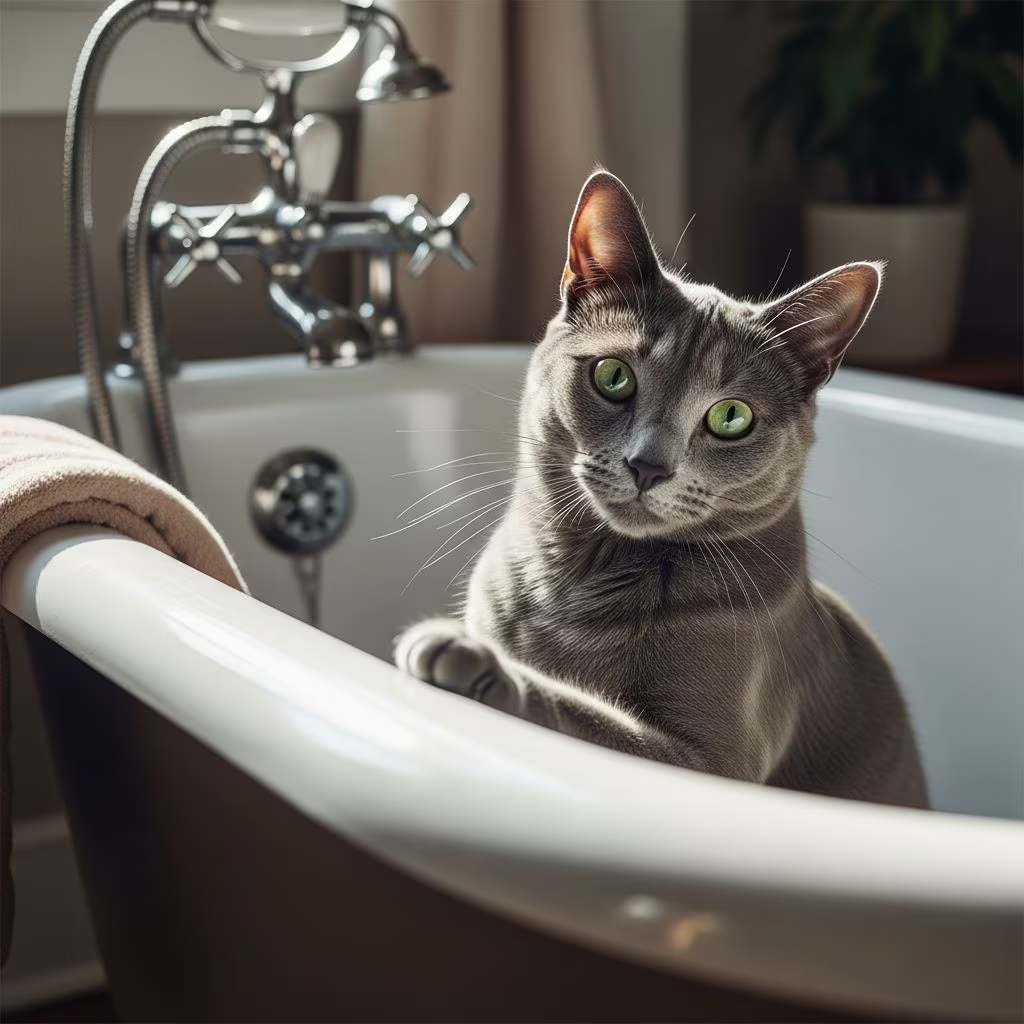
Cats exhibit many peculiar behaviors that leave their owners puzzled, and one of the most common is their inexplicable love for bathtubs. Whether your feline friend hops into the empty tub, lounges on the cool porcelain, or stares mesmerized at dripping faucets, this habit is more widespread than you might think. Understanding why cats like bathtubs sheds light on their instincts, sensory preferences, and environmental interactions. This article delves into the primary reasons backed by veterinary insights and feline behavior observations, helping you decode your cat’s bathtub obsession.
The Cool, Smooth Surface of the Bathtub
One of the top attractions for cats in bathtubs is the **cool, smooth porcelain surface**. Cats are naturally drawn to materials that help regulate their body temperature. Unlike warm fabrics or carpets, bathtub porcelain remains consistently cool to the touch, providing a refreshing spot especially appealing during warmer weather or for cats with thicker fur coats.
This preference stems from their wild ancestors who sought cool rocks or shaded earth to lie on for thermoregulation. In modern homes, the bathtub serves as an ideal substitute. Veterinary experts note that cats may spend extended periods stretching out in the tub, paws splayed, simply enjoying the sensation against their fur. If your home is particularly warm, observe your cat seeking out tiled bathroom floors or sinks alongside the tub—this is a clear sign of heat regulation behavior.
Additionally, the curved shape of many bathtubs offers a secure, nest-like enclosure. Cats feel safe curling into these contours, mimicking natural hiding spots like hollow logs or crevices. This combination of coolness and ergonomic fit makes the bathtub a feline haven.
Fascination with Dripping Water and Faucets
Cats’ obsession with **running or dripping water** is legendary, and bathtubs amplify this intrigue. In the wild, stagnant water poses risks of contamination, while moving water signals freshness and safety. Domestic cats retain this instinct, batting at faucets or lapping at leaks in the tub.
- Dripping faucets create hypnotic rhythms and movements that trigger a cat’s predatory play drive.
- The sound of water echoing in the tub adds an auditory allure, like a private waterfall symphony.
- Some cats even learn to paw the faucet handle, turning it on themselves for endless entertainment.
According to behavior observations, this isn’t just play; it’s an evolutionary holdover ensuring they drink safer water sources. If your cat drinks excessively from the tub, monitor for health changes like increased thirst, which could indicate issues such as kidney problems or diabetes—consult a vet if noticed. Provide a cat fountain to redirect this behavior safely.
Echoing Sounds and Unique Acoustics
Bathtubs produce **distinct echoing sounds** that captivate cats’ sensitive ears. A simple meow or water drop can reverberate dramatically off the hard surfaces, creating an engaging auditory playground. This acoustic novelty stimulates their curiosity, much like how they chase laser pointers for visual stimulation.
Cats have exceptional hearing, detecting frequencies up to 64 kHz compared to humans’ 20 kHz limit. The tub’s enclosed space amplifies subtle noises, turning everyday bathroom sounds into a concert hall for your pet. Owners often report cats ‘talking’ more in the bathroom, experimenting with their echoing voice.
Scent Marking and Territorial Behavior
Bathrooms, including bathtubs, are prime spots for **scent marking**. Cats rub their faces against smooth surfaces to deposit pheromones from facial glands, claiming the area as their territory. The clean, neutral scent of a bathtub—free from heavy fabrics—makes it an appealing canvas.
This behavior is subtle; you might notice your cat chin-rubbing the tub edges or rolling on the floor nearby. It’s especially common in multi-cat homes where territory delineation is crucial. Far from destructive, this is a natural way cats integrate human spaces into their domain.
Seeking Privacy and Security
The bathroom offers **enclosed security**, with four walls, a closable door, and elevated perches like tub edges. Instinctually, cats prefer confined spaces for rest, evoking the safety of dens. If your cat retreats to the tub during stressful times—like visitors or loud noises—it’s seeking solace.
This ‘burrowing’ tendency also explains why cats follow owners into bathrooms: it’s a bonding ritual in a controlled environment. Closing the door heightens their determination, turning it into a game of pursuit.
Post-Shower Warmth and Humidity
After a shower, bathtubs retain **lingering warmth and humidity** that many cats find cozy. The steamy air mimics a tropical environment, soothing their respiratory systems and loosening fur. Cats may hop in to bask in the residual heat, associating it with owner presence and comfort.
The scents from shampoos and soaps also intrigue them, prompting sniffing or lounging. This post-bath ritual strengthens the human-cat bond, as felines link the warmth with positive interactions.
Playfulness and Novelty
Bathtubs spark **playful exploration** with dangling shower curtains, rolling soap bars, or mirror reflections. The vast, open space invites pouncing and batting, while the tub’s depth creates a safe ‘pit’ for energetic sessions. Novelty keeps cats returning, as they thrive on environmental enrichment.
Attention-Seeking Behavior
Sometimes, it’s simply **attention-seeking**. Cats notice owners spend uninterrupted time in bathrooms and join to demand pets or play. Meowing at the door or jumping in the tub guarantees interaction, reinforcing the habit through positive feedback.
Health Considerations: When to Worry
While bathtub love is usually harmless, watch for changes. Excessive time in the tub, paired with litter avoidance or thirst, may signal urinary issues. Obsessive behavior could indicate stress or anxiety. Table below outlines red flags:
| Normal Behavior | Potential Concern |
|---|---|
| Occasional lounging, playing with drips | Constant hiding, avoiding litter box |
| Enjoys cool surface seasonally | Sudden increased drinking from tub |
| Follows owner playfully | Aggression or distress signs |
Consult a vet promptly if symptoms persist. Otherwise, embrace this quirk—consider cat-safe toys or a dedicated water feature.
Frequently Asked Questions (FAQs)
Why does my cat jump into the bathtub?
Cats jump into bathtubs for the cool surface, dripping water, echoes, or security. It’s often curiosity-driven or for temperature regulation.
Is it normal for cats to like bathtubs?
Yes, it’s completely normal and common, rooted in instincts like preferring fresh water and cool spots. Worry only if obsessive.
What if my cat drinks tub water excessively?
Monitor closely—increased thirst may signal health issues like diabetes. Provide fresh water alternatives and see a vet.
Can I discourage my cat from the bathtub?
Redirect with cat fountains, scratching posts, or playtime. Avoid punishment; positive reinforcement works best.
Why do cats follow me to the bathroom?
They seek bonding, privacy, or warmth. Bathrooms feel secure and offer attention opportunities.
This comprehensive look reveals bathtubs as multifaceted attractions for cats, blending instinct, comfort, and play. By understanding these drivers, you can enrich your cat’s environment and strengthen your bond.
References
- Why does my cat keep jumping into the bathtub? — Dial A Vet. 2024-10-01. https://www.dialavet.com/vet-answers/post/cat-jumping-into-bathtub-51248
- Why Do Cats Love Being in the Bathroom, the Odd Attraction Cats Have to Sinks — YouTube (Cat Behavior Explained). 2023-05-15. https://www.youtube.com/watch?v=p4SclaBNKJA
- Why Do Cats Love Bathrooms, Sinks, and Tubs? 9 Reasons — Alibaba Cat Lovers. 2024-08-20. https://catlovers.alibaba.com/why-cats-love/why-do-cats-love-bathrooms-sinks-and-tubs-9-reasons



