

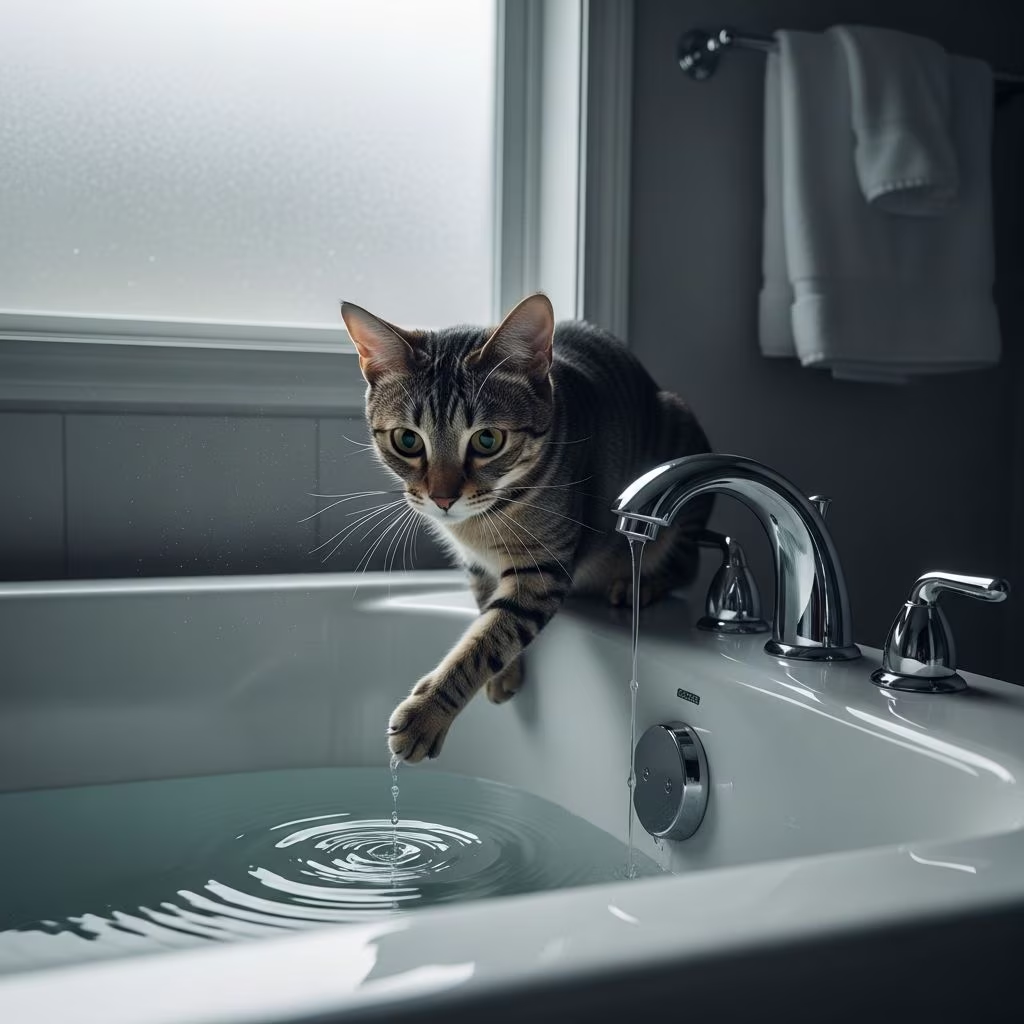
Cats have an inexplicable fascination with bathrooms, often following their owners inside, lounging on cool tiles, or pawing at running faucets. This behavior stems from a mix of instinctual curiosity, environmental appeal, social bonding, and routine reinforcement, making the bathroom an irresistible hub for felines.
Why Do Cats Follow You Into the Bathroom?
Your cat’s persistent shadowing into the bathroom is no accident. Bathrooms represent a predictable, enclosed space where cats feel secure while satisfying multiple needs. Cats are creatures of habit, and once they associate bathroom visits with positive outcomes—like attention or fresh water—they make it a ritual. This behavior echoes their wild ancestors’ instincts to monitor pack members in vulnerable moments, ensuring safety.
In multi-cat homes or with newcomers, this following intensifies as a way to maintain social hierarchy and territory awareness. Owners often unwittingly reinforce it by engaging—petting, talking, or turning on the tap—creating a cycle of reward.
6 Reasons Cats Love Bathrooms
Here are the primary drivers behind cats’ bathroom obsession, drawn from veterinary insights and behavioral studies:
- Running Water Fascination: Many cats prefer fresh, moving water over stagnant bowls. Faucets and showers provide this, and cats learn you’ll activate them during visits.
- Cool Surfaces for Comfort: Tile floors, sinks, and tubs offer respite from overheating, especially for hyperthyroid cats or those seeking the ‘cool side of the pillow’ sensation.
- Prime Perching Spots: Countertops and vanities double as elevated lookouts, ideal for overseeing humans in a ‘captive’ state without easy escape.
- Predictable Routines: Bathrooms align with daily schedules—morning teeth-brushing precedes feeding—making them reliable for rewards.
- Enclosed Security: Small spaces with fewer exits mimic safe dens, reducing anxiety and providing a sense of control.
- Play and Stimulation: Toilet paper, towels, and echoes offer entertainment for bored cats, turning mundane visits into playtime.
Curiosity and Exploration
Cats are wired for curiosity, viewing bathrooms as treasure troves of novel stimuli. Unique echoes, humidity shifts, and scents from soaps trigger their investigative drive. The confined layout amplifies every drip or swirl, captivating their senses.
This exploratory zeal peaks during showers, where steam and water sounds mimic prey movements or natural water sources. Indoor cats, lacking outdoor adventures, channel this into bathroom escapades.
Social Bonding and Affection
Far from aloof, cats use bathrooms for bonding. Your seated, stationary position makes you accessible for pets and gazes, fostering connection. It’s affection in feline terms—guarding you in vulnerability, much like pride dynamics in wild felids.
Separation anxiety or loneliness amplifies this; solo cats follow more avidly. Positive interactions here strengthen trust, as cats control proximity.
Temperature Regulation
Bathrooms serve dual thermal roles. Post-shower humidity warms heat-seekers, while tiles cool others. Hyperthyroid cats, with revved metabolisms, crave chill spots like empty tubs. Seasonal shifts influence: winter lounging on mats, summer on floors.
| Season | Preferred Spot | Reason |
|---|---|---|
| Winter | Bath mat, sink edge | Warm humidity from showers |
| Summer | Tile floor, tub | Cooling surfaces |
| Anytime | Vanity | Elevated, neutral temp perch |
Privacy? What Privacy? Managing Bathroom Buddies
While endearing, constant companionship erodes privacy. To gently discourage:
- Ignore attention bids—no talking or petting.
- Provide alternatives: bathroom toys, window perches elsewhere.
- Use baby gates for access without full entry.
- Enrich environment: puzzle feeders reduce boredom-following.
Consistency breaks the habit; persistence signals vet checks for anxiety or health issues. Locking doors heightens determination, as cats hate exclusion from ‘their’ territories.
FAQs: Cats and Bathrooms
Why does my cat sit in the bathtub?
Cats choose tubs for cool porcelain, water proximity, or enclosure feel. It’s a multi-purpose haven.
Is it bad to let my cat drink faucet water?
Occasional sips are fine, but ensure clean plumbing. Filtered bowls mimic flow better long-term.
Why do kittens follow more than adults?
Kittens learn routines faster and seek constant supervision for safety/socialization.
Can I train my cat to stay out?
Yes, via positive redirection and ignoring. Reward outdoor lounging.
Does this mean my cat is clingy?
Often affection or routine, but extremes may indicate stress. Observe holistically.
Health Considerations
Bathroom affinity can flag issues: hyperthyroidism prompts cool-seeking; frequent visits might signal urinary woes, as cats monitor litter areas. Consult vets if sudden changes occur.
Ensure safe access: secure cleaners, no small hazards. Running water aids hydration but watch for obsession.
Understanding these quirks deepens appreciation for cats’ complex minds, blending wild instincts with domestic life.
References
- Why Do Cats Watch Their Owners in the Bathroom? — Art Your Cat. 2023. https://artyourcat.com/blogs/art-your-cat-blog/why-do-cats-watch-their-owners-in-the-bathroom
- Potty Buddies? Why Cats Love Bathrooms — Amy Shojai. 2023-05-15. https://amyshojai.com/why-cats-love-bathrooms/
- Why are cats so obsessed with bathrooms? — Why Cat Why. 2024. https://www.whycatwhy.com/why-are-cats-obsessed-with-bathrooms/
- Why Your Cat WANTS TO FOLLOW You Into The BATHROOM? — YouTube (Video Transcript). 2023. https://www.youtube.com/watch?v=3vVWq7WoRzs
- Why Do Cats Like to Be With Us in the Bathroom? — Way of Cats. 2022-10-20. https://www.wayofcats.com/blog/why-do-cats-like-to-be-with-us-in-the-bathroom/4691



