

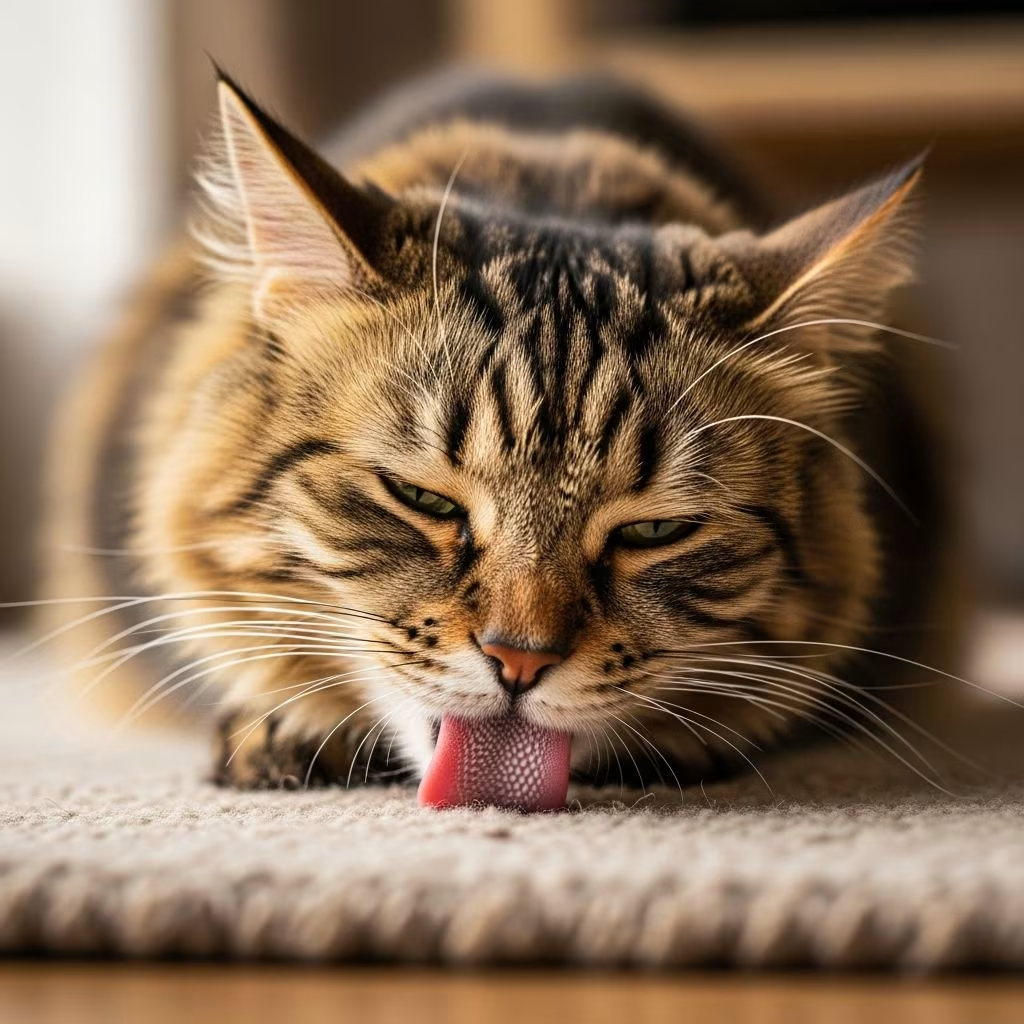
Why Do Cats Lick Themselves When Grooming
If you’ve ever watched your cat spend what seems like an eternity licking and grooming their fur, you’ve witnessed one of the most fundamental feline behaviors. Cats are meticulous groomers, and their dedication to personal hygiene is both fascinating and essential to their wellbeing. In fact, cats spend approximately 25-50% of their waking hours grooming themselves, making it one of their most time-consuming activities. But why do cats invest so much time in this behavior? Understanding the reasons behind your cat’s grooming habits can provide valuable insights into their physical health, emotional state, and overall quality of life.
The Natural Grooming Instinct
Grooming behavior begins very early in a cat’s life. Mother cats start licking their kittens immediately after birth, not just to clean them, but also to stimulate urination, encourage suckling, provide comfort, and strengthen the crucial bond between mother and offspring. This early exposure teaches kittens that grooming is a normal and necessary part of life. By around four weeks of age, kittens begin grooming themselves, and shortly thereafter, they start grooming their mother and littermates in a behavior known as allogrooming. This mutual grooming continues well into adulthood and serves multiple important functions in feline society.
Primary Reasons Cats Groom Themselves
While grooming might seem like a simple act of self-care, it actually serves several critical functions for your feline companion:
Temperature Regulation
One of the most important reasons cats groom themselves is to regulate their body temperature. When cats lick their fur, the saliva evaporates from their coat, creating a cooling effect that helps them maintain a comfortable body temperature during warm weather. This is particularly important for indoor cats living in heated homes or outdoor cats during hot summer months. The grooming process helps distribute moisture across their coat more effectively than simply lying in a cool spot would.
Coat Maintenance and Oil Distribution
Cats have specialized skin glands that produce natural oils essential for coat health and water resistance. When cats lick and groom themselves, they’re actively distributing these protective oils throughout their fur, keeping their coat smooth, sleek, and healthy. This helps maintain the natural waterproofing properties of their skin and ensures their coat remains in optimal condition. Regular grooming prevents matting and tangling, which can become uncomfortable and lead to skin problems.
Cleanliness and Hygiene
Self-grooming helps cats remove dirt, dust, loose hair, and debris from their coat. By meticulously licking their fur, cats eliminate odors that might attract predators in the wild or make them feel uncomfortable. This instinctive behavior reflects their ancestral need to remain inconspicuous and maintain personal hygiene in natural environments. For domestic cats, this grooming behavior ensures they look and feel their best.
Parasite and Infection Control
Cats use grooming as a natural defense against parasites and minor skin irritations. By licking their fur, cats can remove fleas, ticks, and other external parasites, as well as help prevent certain infections. Their rough tongue, which feels like sandpaper due to backward-facing barbs, is perfectly adapted for this task. These specialized barbs help dislodge parasites and loose hair that might otherwise remain trapped in their coat.
Circulation Stimulation
The physical act of grooming stimulates blood circulation throughout a cat’s body. This improved circulation helps maintain healthy skin and coat, supports muscle tone, and promotes overall physical wellbeing. The massage-like effect of licking and the movement involved in grooming helps keep cats physically engaged and healthy.
Displacement Behavior and Stress Relief
Grooming serves an important psychological function for cats as well. When cats feel embarrassed, anxious, or find themselves in a conflict, they often engage in grooming as a displacement behavior. This self-soothing mechanism helps calm their nerves and reduce stress. The act of grooming releases endorphins in cats, which are natural chemicals that help alleviate anxiety and promote relaxation. Think of it as the feline equivalent of a human fidgeting or taking deep breaths when nervous.
Social Grooming and Bonding
Beyond the physical benefits, grooming plays a crucial role in feline social interactions. In multi-cat households, cats often groom each other, particularly in areas they cannot easily reach themselves, such as their face, ears, and the back of their head. This mutual grooming, or allogrooming, strengthens social bonds and helps establish a group scent that cats use to recognize pack members. When your cat licks you, they’re essentially accepting you as part of their family unit and engaging in this important bonding behavior. Understanding this behavior can help you appreciate the trust and affection your cat is showing you.
Why Cats Lick Themselves After Being Touched
Many cat owners notice that their feline companions immediately begin grooming themselves after being petted or handled. This behavior can seem puzzling at first, but it serves several important purposes. One primary reason is that cats use licking to re-establish their own scent after human interaction. Cats are, as behaviorists describe it, “scent machines from head to tail,” and they love their own unique scent, which acts like an airborne fingerprint. After being touched by a human, a cat may feel the need to reassert their own scent, especially if they perceive the human as an outsider. This is purely instinctive and not a sign that your cat dislikes being petted.
Additionally, grooming after handling can be a way for cats to process the interaction and regain their sense of calm and control. Some cats may groom themselves after being touched as a means of establishing routine and familiarity, particularly if they frequently groom after human contact. This habitual behavior provides comfort and helps them return to their baseline state of equilibrium.
When Grooming Becomes a Concern
While grooming is a normal and healthy feline behavior, excessive licking can sometimes indicate an underlying problem that requires attention. It’s important for cat owners to recognize the difference between normal grooming and over-grooming.
Signs of Excessive Grooming
If your cat develops bald patches, shows signs of skin irritation, or engages in grooming so frequently that it seems obsessive, this may indicate a problem. Excessive grooming can lead to hair loss, skin damage, and infections if left unaddressed. Common signs that warrant veterinary attention include:
– Visible bald patches or areas of thinning fur- Red, irritated, or inflamed skin- Frequent scratching, biting, or licking of specific areas- Hair loss exceeding normal seasonal shedding- Behavioral changes or signs of distress- Open sores or scabs from over-grooming
Medical Causes of Over-Grooming
Several medical conditions can trigger excessive grooming behavior. Allergies, whether food-related or environmental, can cause significant itching and discomfort, leading cats to overgroom in an attempt to relieve the itch. Parasitic infestations, including fleas and microscopic skin mites, can cause intense itching and hair loss. Ringworm, a fungal skin infection, is another common culprit that causes cats to lick themselves more frequently. Additionally, cats experiencing pain from joint discomfort, urinary tract infections, or other medical issues may overgroom affected areas as a response to discomfort.
Behavioral and Psychological Causes
Not all excessive grooming stems from physical health issues. Stress and anxiety can manifest as obsessive grooming behavior in cats. Major life changes, such as moving to a new home, the arrival of a new family member or pet, or changes in daily routine, can trigger stress-related over-grooming. Environmental stressors like loud noises, new furniture, or household renovations may also cause anxiety-driven grooming. In these cases, cats may develop a repetitive grooming habit that continues even after the stressor is removed. Boredom can also contribute to over-grooming, as some cats engage in excessive self-grooming as a self-soothing behavior to alleviate monotony.
When to Contact Your Veterinarian
If you notice any significant changes in your cat’s grooming behavior, it’s advisable to consult with your veterinarian. They can help determine whether the excessive grooming is caused by a medical condition requiring treatment or a behavioral issue that might benefit from environmental modifications or other interventions. Additionally, if your cat suddenly stops grooming altogether, this can also indicate a health problem and warrants professional evaluation.
Promoting Healthy Grooming Habits
To support your cat’s natural grooming behavior and overall wellbeing, you can take several steps as a responsible pet owner. Regular brushing helps remove loose hair and can reduce matting, which may decrease the need for excessive self-grooming. Providing a stress-free environment with plenty of enrichment activities, such as toys, climbing structures, and interactive play, can help prevent boredom-related over-grooming. Ensuring your cat has access to fresh water and a balanced diet supports skin and coat health from the inside out. If you suspect allergies or other medical issues, working with your veterinarian to identify and address these concerns can help prevent stress-related or medically-driven excessive grooming.
When your cat grooms themselves or grooms you through allogrooming, you can reciprocate their affection by gently petting, brushing, or playing with them. This reinforces your bond and shows your cat that you value and appreciate their trust and companionship.
Understanding the Connection Between Grooming and Affection
When your cat licks you, they’re engaging in a behavior that has deep roots in feline social structure. This licking is a marker of social connectedness and indicates that your cat has accepted you into their social group. By returning this affection through gentle petting, brushing, and play, you strengthen the bond with your feline companion. Understanding that grooming is both a practical necessity and an expression of affection helps you appreciate your cat’s behavior on a deeper level and respond appropriately to their needs.
Frequently Asked Questions
Q: Is it normal for cats to spend so much time grooming?
A: Yes, it’s completely normal. Cats typically spend 25-50% of their waking hours grooming themselves. This behavior is instinctive and essential for their health and comfort.
Q: Why does my cat lick itself immediately after I pet them?
A: Your cat is likely re-establishing their own scent after human interaction. Cats are highly scent-oriented and may groom themselves to feel more comfortable and in control after being touched. This doesn’t mean your cat dislikes being petted.
Q: How can I tell if my cat is over-grooming?
A: Signs of excessive grooming include visible bald patches, red or irritated skin, frequent scratching or biting of specific areas, and hair loss beyond normal shedding. If you notice these signs, consult your veterinarian.
Q: What should I do if my cat develops bald spots from grooming?
A: Contact your veterinarian promptly. Bald spots can result from allergies, parasites, skin infections, pain, stress, or other medical conditions that require professional evaluation and treatment.
Q: Can stress cause excessive grooming in cats?
A: Yes, stress and anxiety can trigger excessive grooming behavior in cats. Environmental changes, new pets, or household disruptions can cause stress-related over-grooming that may become habitual.
Q: How can I help my cat with healthy grooming habits?
A: Regular brushing, providing a stress-free environment with enrichment activities, ensuring proper nutrition, and maintaining regular veterinary check-ups all support healthy grooming habits and overall feline wellbeing.
Q: What does it mean when my cat grooms other cats in my home?
A: When cats groom each other, it’s called allogrooming and indicates social bonding and affection. It helps them establish a group scent and strengthen their relationships within their social group.
References
- Understanding Your Cat’s Grooming Habits — Hill’s Pet Nutrition. https://www.hillspet.com/cat-care/behavior-appearance/why-cats-groom-and-lick-themselves
- Why Do Cats Lick Themselves, and When Is It a Problem? — GoodRx Pet Health. https://www.goodrx.com/pet-health/cat/why-do-cats-lick-so-much
- Cat Overgrooming: What’s Normal and What Isn’t? — Bond Vet. https://bondvet.com/blog/cat-overgrooming
- Why Cats Lick Themselves After We Touch Them — Pottycats. https://pottycats.com/blogs/cat-care/why-cats-lick-themselves-after-we-touch-them



