

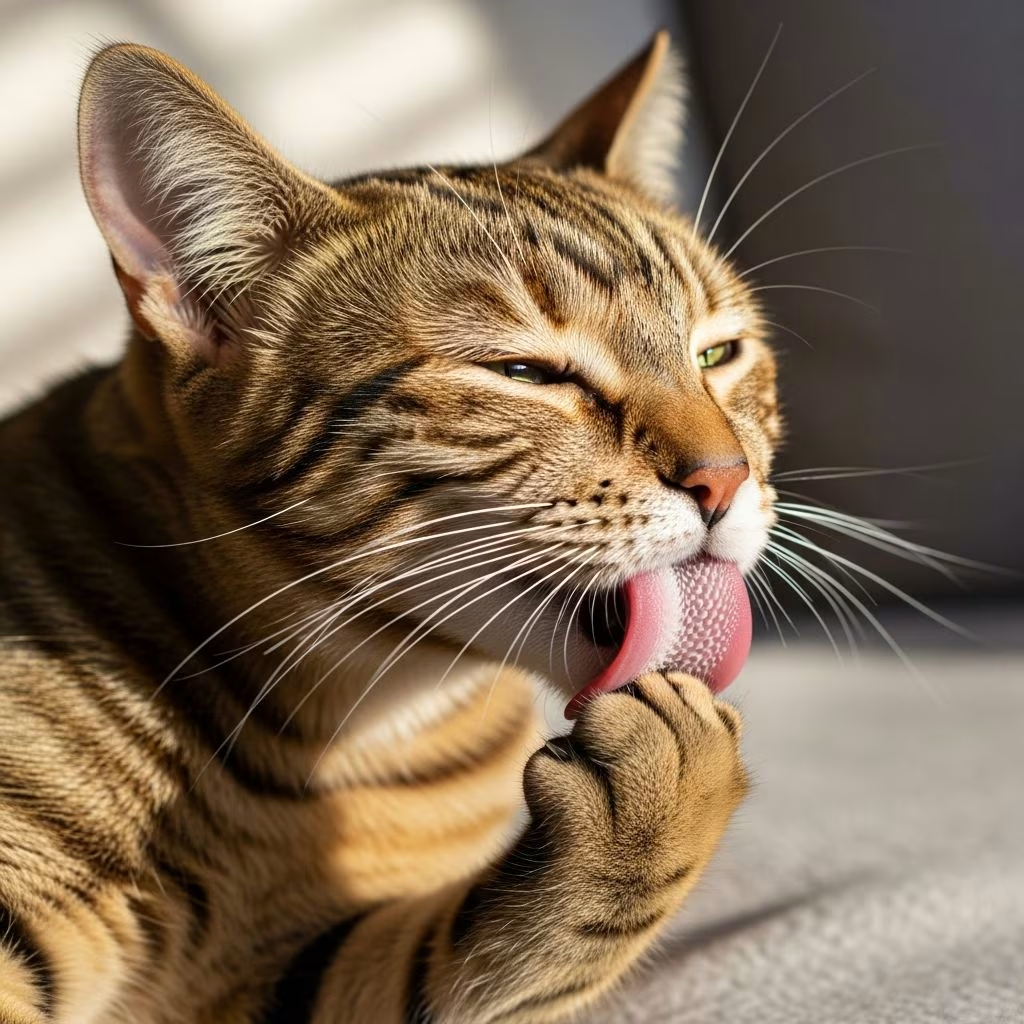
Why Do Cats Lick Themselves? A Complete Guide to Feline Grooming Behavior
Cats are known for spending a significant portion of their day engaged in grooming activities. In fact, cats dedicate nearly 25% of their waking time to grooming themselves and other cats. This extensive grooming behavior is completely normal and serves multiple important functions for their health and well-being. However, understanding why cats lick themselves and recognizing when excessive licking becomes problematic is essential for every cat owner. This comprehensive guide explores the various reasons behind feline licking behavior, what constitutes normal grooming, and when it’s time to consult a veterinarian.
Normal Reasons Why Cats Lick Themselves
1. Self-Grooming and Hygiene
The primary reason cats lick themselves is to maintain proper hygiene and coat health. Grooming serves several critical functions for feline well-being. When cats lick their fur, they remove dirt, debris, and other particles that accumulate throughout the day. This self-cleaning behavior helps keep their coat in optimal condition and prevents the buildup of odors that might attract predators or competitors. Additionally, grooming helps cats shed loose hair, which reduces the amount of hair they ingest during normal shedding cycles. Through licking, cats also distribute natural oils produced by their skin across their entire coat, which waterproofs their fur and provides protection against environmental elements. Regular grooming also helps cats maintain body temperature regulation, ensuring they stay comfortable in various weather conditions.
2. Bonding and Social Connection
Cats engage in a behavior called allogrooming, which is when they groom other cats to strengthen social bonds and establish group identity. This mutual grooming behavior helps cats recognize members of their family or colony by creating a shared scent profile. When cats groom each other, they’re essentially saying, “You are part of my family.” This social grooming reinforces relationships and creates a sense of security and belonging within their social group. Mother cats also groom their kittens extensively as a way to keep them clean and help them feel secure and loved during their early development.
3. Temperature Regulation
Cats sometimes lick themselves to cool down during hot weather. When moisture from their saliva covers their fur and subsequently evaporates, it creates a cooling effect similar to how humans perspire. This natural cooling mechanism helps cats manage their body temperature when environmental conditions are warm or when they’re feeling uncomfortably hot.
4. Territory Marking
When cats lick themselves, they spread scent glands’ secretions across their body and into their environment. This scent marking serves as a form of communication, helping cats establish and reinforce their territory boundaries. The familiar scent makes cats feel secure in their surroundings and helps them recognize their space as safe and familiar.
5. Self-Soothing and Stress Relief
Licking has a natural calming effect on cats. The act of grooming releases endorphins, which are the body’s natural feel-good chemicals. This self-soothing mechanism helps cats cope with minor stressors and uncomfortable situations. Just as humans might take a warm bath or engage in a relaxing activity to reduce stress, cats use grooming as a way to comfort themselves and manage emotional tension.
What Does It Mean When Your Cat Licks You?
When your cat licks you, they’re displaying affection and accepting you as part of their family. This behavior mirrors how mother cats groom their kittens to show care and security. By licking you, your cat is treating you as a family member and expressing social connectedness. You can reciprocate this affection by petting your cat, gently brushing them, playing interactive games, and providing gentle handling. This mutual grooming behavior strengthens the bond between you and your feline companion.
When Cat Licking Becomes Excessive: Understanding Overgrooming
While normal grooming is healthy and necessary, excessive licking that results in hair loss, skin damage, or behavioral changes is cause for concern. Overgrooming, also known as psychogenic alopecia in some cases, occurs when cats lick themselves more than necessary, often causing visible bald patches and skin irritation. Understanding the underlying causes of excessive licking is crucial for addressing the problem effectively.
Medical Causes of Excessive Licking
Parasitic Infections
Parasites are among the most common causes of excessive licking in cats. Fleas, even a single flea bite, can trigger intense itching and compulsive grooming in some cats. Additionally, microscopic skin mites can cause significant irritation, hair loss, and inflammation. Tapeworms and other internal parasites may also contribute to skin irritation and excessive licking. Kittens are particularly susceptible to parasitic infestations, which can rapidly lead to severe overgrooming if left untreated.
Allergies
Cats can develop allergies to various substances, including fleas, specific food ingredients, and environmental factors such as tree or grass pollen. These allergies manifest as skin itching, prompting cats to lick excessively in an attempt to relieve the discomfort. Food allergies and environmental allergies can be challenging to diagnose but are important to identify and manage to reduce excessive licking behavior.
Fungal Infections
Ringworm is a common fungal skin infection in cats that causes significant itchiness and discomfort. Cats with ringworm typically lick and scratch affected areas more frequently as they attempt to manage the uncomfortable sensation. This fungal infection is also contagious to other cats and humans, making prompt diagnosis and treatment essential.
Pain and Discomfort
If a cat is experiencing pain from an injury or medical condition, they may lick the affected area excessively. Common sources of pain-related licking include joint discomfort from arthritis, disc disease, anal sac impaction (swelling or infection of the anal glands), and urinary tract infections (UTIs). When a cat has a UTI, they may overgroom their belly and genital area. Cats experiencing pain typically focus their licking on the specific area causing discomfort, rather than grooming their entire body indiscriminately.
Behavioral and Psychological Causes
Stress and Anxiety
Excessive licking frequently stems from stress or anxiety rather than physical health problems. Licking acts as a \”displacement behavior\”—a coping mechanism that helps anxious cats self-soothe through the release of endorphins. Changes in a cat’s environment or routine can trigger significant anxiety, including moves to a new house, the addition or loss of another pet, changes in family schedules, or alterations to their living space. When stress persists, cats may develop habitual overgrooming that continues even after the initial stressor has been resolved. In some cases, the repetitive nature of licking itself becomes pleasurable and reinforces the behavior, similar to how some humans bite their nails as a stress-relief habit.
Boredom
Cats lacking sufficient mental and physical stimulation may engage in excessive grooming as a way to occupy their time and provide self-entertainment. Environmental enrichment, interactive play, and mental stimulation can help reduce boredom-related overgrooming.
Signs That Your Cat Is Overgrooming
- Visible bald patches or areas of hair loss on the body
- Redness, irritation, or broken skin resulting from excessive licking
- Frequent hairballs or vomiting due to ingesting excess hair
- Sudden changes in grooming habits or frequency
- Obsessive focus on licking specific body areas
- Signs of skin damage, wounds, or secondary infections
- Behavioral changes such as increased anxiety or withdrawn behavior
When to Contact Your Veterinarian
If you notice your cat developing bald spots, experiencing skin damage, or suddenly increasing their grooming frequency, it’s time to schedule a veterinary appointment. Your veterinarian can perform a thorough physical examination and necessary diagnostic tests to identify the underlying cause of excessive licking. Similarly, if your cat stops grooming altogether, this is also concerning and warrants professional evaluation, as it may indicate pain, illness, or depression.
Veterinary Treatment Options
Once your veterinarian identifies the cause of excessive licking, treatment will depend on the specific diagnosis. For parasitic infestations, allergies, or fungal infections, your vet may prescribe medications, topical treatments, or environmental management strategies. If your cat’s grooming has caused hair loss and broken skin, your veterinarian may recommend antibiotics to prevent or treat secondary infections. In some cases, your cat may need to temporarily wear an e-collar or cone to prevent further damage while the skin heals. For stress-related overgrooming, your veterinarian may recommend environmental modifications, behavioral enrichment, and in some cases, anti-anxiety medications to help your cat cope with stress more effectively.
Tips for Managing Normal and Excessive Grooming
- Regular veterinary check-ups: Schedule annual wellness exams to catch potential health issues early.
- Parasite prevention: Use year-round flea and tick prevention as recommended by your veterinarian.
- Environmental enrichment: Provide scratching posts, climbing structures, toys, and interactive play to reduce boredom and stress.
- Consistent routines: Maintain predictable daily schedules to reduce anxiety in cats.
- Safe spaces: Create cat-friendly high places where your cat can retreat and feel secure.
- Gentle brushing: Regular brushing helps remove loose hair and reduces shedding, plus it’s a bonding activity.
- Stress reduction: Minimize household changes when possible and introduce changes gradually.
- Positive interaction: Engage in regular play sessions and provide attention to strengthen your bond.
Frequently Asked Questions About Cat Licking
Q: Is it normal for cats to lick themselves constantly?
A: Cats naturally spend about 25% of their waking time grooming, which is normal. However, if your cat’s licking has noticeably increased or causes visible hair loss, it warrants veterinary evaluation.
Q: Can stress cause my cat to lose fur from licking?
A: Yes, stress-related overgrooming can result in significant hair loss and bald patches. This condition, known as psychogenic alopecia, responds well to stress reduction and sometimes medication.
Q: What should I do if my cat has bald spots from licking?
A: Contact your veterinarian promptly. Bald skin is vulnerable to sunburn and infection. Your vet will determine the cause and recommend appropriate treatment, which may include protective collars, antibiotics, or behavior modification.
Q: How long does it take for overgrooming behavior to stop?
A: Once the underlying cause is identified and addressed, the behavior is usually forgotten within about a month, either naturally or with the help of medication.
Q: Can diet affect my cat’s grooming behavior?
A: Food allergies can trigger excessive licking. If you suspect a food allergy, consult your veterinarian about an elimination diet or dietary changes.
Conclusion
Cat licking is a multifaceted behavior that serves important grooming, social, and self-soothing functions. While normal grooming is healthy and essential, excessive licking warrants attention and professional evaluation. By understanding the various reasons behind feline licking behavior and recognizing the signs of problematic overgrooming, you can better support your cat’s physical and emotional well-being. If you notice changes in your cat’s grooming habits or any signs of hair loss and skin damage, don’t hesitate to contact your veterinarian. With proper diagnosis and treatment, most cases of excessive licking can be successfully managed, allowing your feline friend to return to normal, healthy grooming behavior and a comfortable, happy life.
References
- Why Do Cats Lick Themselves, and When Is It a Problem? — GoodRx Pet Health. Accessed January 2026. https://www.goodrx.com/pet-health/cat/why-do-cats-lick-so-much
- Cats that Lick Too Much — Cornell University College of Veterinary Medicine, Cornell Feline Health Center. https://www.vet.cornell.edu/departments-centers-and-institutes/cornell-feline-health-center/health-information/feline-health-topics/cats-lick-too-much
- Why Cats Overgroom and How You Can Stop It — PetMD. https://www.petmd.com/cat/general-health/how-tell-if-your-cat-over-grooming
- Cat Behavior: Overgrooming — Oregon Veterinary Medical Association. https://www.oregonvma.org/care-health/companion-animals/behavior/cat-behavior-overgrooming
- Cat Overgrooming: What’s Normal and What Isn’t? — Bond Vet. https://bondvet.com/blog/cat-overgrooming



