

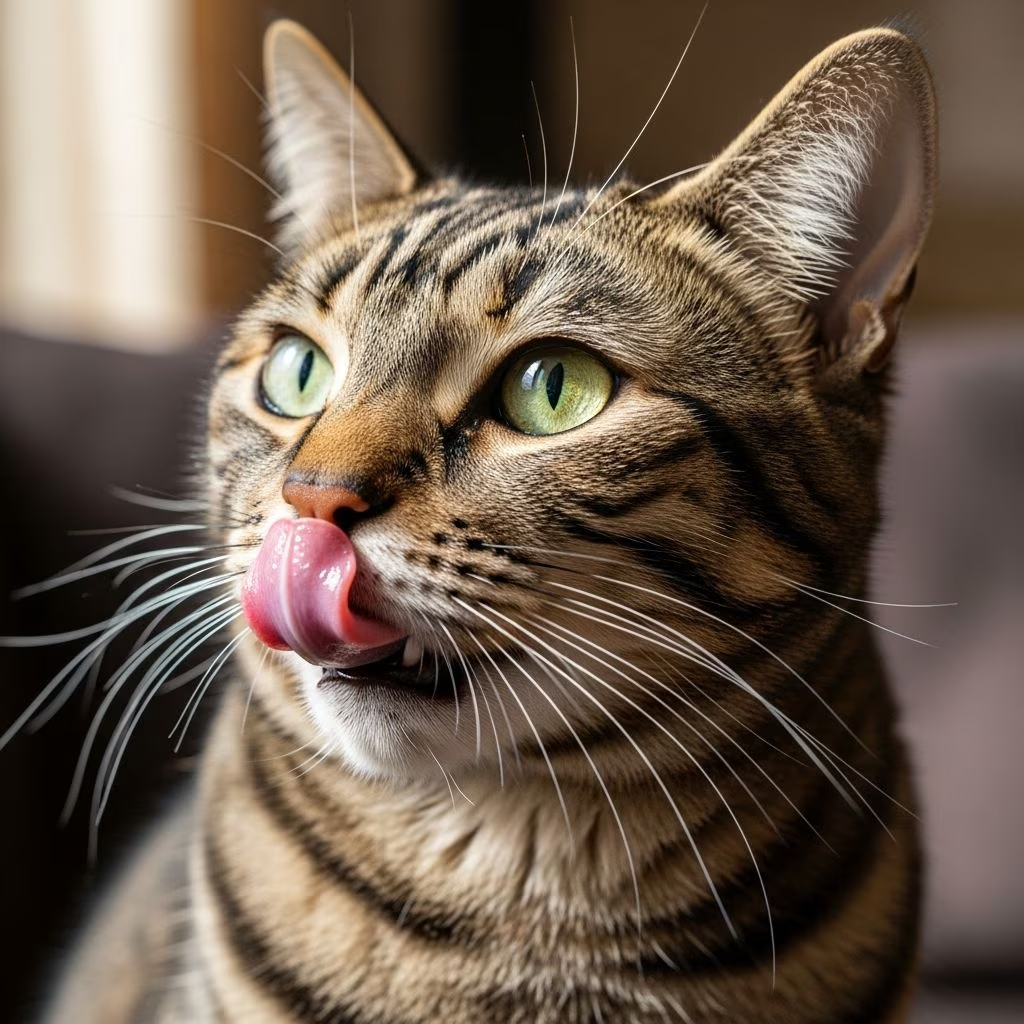
Cat owners often notice their feline companions engaging in various behaviors that seem puzzling or concerning. One such behavior is lip licking, which can occur for numerous reasons ranging from completely normal to potentially serious health issues. Understanding why your cat licks their lips can help you determine whether the behavior is harmless or warrants a visit to the veterinarian.
Normal Reasons for Lip Licking in Cats
Grooming and Post-Meal Cleansing
The most common reason cats lick their lips is for post-meal grooming. This behavior is rooted in a cat’s natural instinct to remove scent traces after consuming food or prey. Leftover scents from a meal could alert other prey animals that a feline predator is nearby, potentially reducing future hunting opportunities. Additionally, since cats are relatively small animals, they may themselves become prey for larger predators. By removing food scents from around their mouth and face, cats reduce the risk of attracting unwanted attention from predators in their environment.
This grooming behavior is a fundamental aspect of feline hygiene and is completely normal and healthy. Cats are naturally fastidious creatures and spend a significant portion of their day maintaining their appearance through grooming activities.
Seeking Attention
Cats are intelligent animals that quickly learn which behaviors elicit responses from their human companions. If your cat has learned that licking results in attention—whether through talking, petting, or other forms of interaction—they may repeat this behavior deliberately. This learned behavior is a form of communication, and cats will often repeat actions that have been rewarded in the past.
Social Bonding and Scent Marking
Cats communicate through scent marking, and licking can be part of this communication system. Mother cats lick their kittens partly to establish a familiar group scent that bonds the litter together. Similarly, your cat may lick their own lips or engage in grooming as a way of maintaining their personal scent and identity, or they may lick you as a way of identifying you as part of their social group.
Behavioral and Psychological Reasons for Lip Licking
Stress and Anxiety
Cats experiencing stress or anxiety may resort to lip licking as a coping mechanism. This behavior, sometimes referred to as a displacement behavior, occurs when cats are uncertain about their environment or encounter triggers that make them uneasy. For example, a cat brought to a veterinary clinic might engage in lip licking while sitting on the examination table as a way to self-soothe and manage their anxiety.
Various household changes can trigger stress in cats, including relocating to a new home, the arrival of a new pet, changes in their owner’s schedule, or loud noises in the environment. When anxious or stressed, cats may turn to excessive grooming as a coping mechanism. In some cases, this behavior develops into a condition known as psychogenic alopecia, where cats over-groom due to psychological stress, potentially leading to significant hair loss and skin damage if left unaddressed.
Fear and Nervousness
Cats who lick their lips when there is no food present may be experiencing nervousness or fear. To accurately determine if fear is the cause of your cat’s lip licking, carefully observe the immediate circumstances and pay close attention to other body language signals. Signs of fear in cats include flattened ears, a tucked tail, dilated pupils, and a crouched posture.
Medical and Health-Related Causes of Lip Licking
Oral Pain and Dental Disease
Lip licking can indicate oral disease or mouth pain in cats. You may also notice accompanying drooling, though it’s important to distinguish this from the drooling that occurs when a cat is happy (such as during kneading). Cats experiencing dental disease or oral infections often engage in excessive lip licking or smacking.
As dental disease progresses, plaque accumulates and hardens into tartar both above and below the gum line, creating an environment where bacteria can thrive and destroy periodontal tissues. Along with frequent lip licking and drooling, a cat with dental pain may paw at their mouth, show a decline in appetite, and display a foul mouth odor. If you notice these symptoms, consult with your veterinarian for a dental examination and professional cleaning if necessary.
Nausea and Gastrointestinal Issues
Lip licking accompanied by swallowing may indicate that your cat is feeling nauseated. Cats that are nauseated or dehydrated frequently lick or smack their lips, and vomiting may occur shortly after this behavior. Many cats also drool when experiencing nausea. If your cat displays persistent lip licking along with other signs of gastrointestinal distress such as vomiting, loss of appetite, or lethargy, veterinary attention is warranted.
Respiratory Issues and Allergies
Upper respiratory issues or allergies may cause cats to lick their lips more frequently. If your cat has nasal congestion from a respiratory infection or allergic reaction, you may notice an increase in lip licking. Additionally, it’s typical for cats to lick their lips after sneezing, similar to how they groom themselves after other physical activities. If the lip licking persists alongside other respiratory symptoms such as sneezing, coughing, or nasal discharge, consult your veterinarian to rule out infection or allergic conditions.
Excessive Salivation (Ptyalism)
Ptyalism, or excessive salivation, triggers frequent licking of the lips. This condition can indicate more serious underlying health issues. Potential causes of excessive salivation include ingestion of a foreign body, tumors, periodontal disease, nausea, mouth injuries, abscesses, kidney disease, upper respiratory illness, ingestion of toxic substances, and other conditions. If your cat displays excessive drooling or saliva accumulation, prompt veterinary evaluation is essential to identify and address the underlying cause.
Dry Mouth (Xerostomia)
Extreme dry mouth, known as xerostomia, may result in frequent lip licking as cats attempt to moisten their oral tissues. Various underlying health conditions can cause dry mouth in cats, including fever, dehydration, kidney or liver problems, endocrine disorders, and side effects from certain medications. Additionally, cats experiencing extreme nervousness or fear may develop dry mouth. If your cat exhibits signs of persistent dry mouth combined with other symptoms such as excessive thirst or reduced appetite, veterinary consultation is recommended.
Skin Allergies and Irritations
Cats can develop allergies to various environmental factors such as pollen, dust, or certain cleaning products, as well as food allergies that cause itchy skin and lead to increased licking. Skin irritations from flea bites or contact dermatitis can also trigger excessive licking. Fleas are a particularly common culprit, especially if your cat is allergic to flea saliva—even a single flea bite can trigger intense itching that causes repeated licking of the affected area.
Foreign Objects in the Mouth
A common cause of lip smacking and licking is something caught in your cat’s mouth. Small pieces of bone, sticks, plant awns such as foxtails, or other foreign objects can become lodged between teeth or in the gums. Cats are curious creatures and frequently explore their environment with their mouths, so foreign body ingestion is not uncommon. If you suspect your cat has something stuck in their mouth, examine the area carefully and contact your veterinarian if you cannot safely remove the object.
Wounds and Injuries
Wounds, bites, or injuries around the mouth and face can cause cats to lick and smack their lips. Bites may come from other cats, spiders, insects such as horse flies or mosquitoes, or stings from bees or wasps. Even snakebites around the face and mouth can cause pain, swelling, discharge, and lip licking behavior. Any visible wounds or signs of injury warrant veterinary examination to prevent infection and ensure proper healing.
Seizure Disorders
Some cats can suffer from seizure disorders that appear as chomping at the mouth, biting at the air, or excessive and uncontrollable lip licking. These are typically classified as focal seizures. If your cat exhibits uncontrolled lip licking accompanied by other unusual mouth movements or behavioral changes, neurological evaluation by a veterinarian is important to rule out seizure activity.
Exposure to Irritating Substances
Cats that lick a floor or surface that has cleaning chemicals, food, dirt, mold, soap, or other items with unusual tastes often react by smacking their lips. Caustic products that may cause oral ulcers include laundry or dishwasher detergents and liquid potpourri. If your cat has access to potentially toxic household products, ensure they are stored securely out of reach. If you suspect your cat has ingested or licked a harmful substance, contact your veterinarian or poison control immediately.
When to Contact Your Veterinarian
While occasional lip licking is normal feline behavior, certain circumstances warrant veterinary attention:
- Excessive or compulsive lip licking that interferes with normal activities
- Lip licking accompanied by drooling, bad breath, or loss of appetite
- Visible wounds, swelling, or discharge around the mouth
- Signs of nausea or vomiting following lip licking episodes
- Lip licking combined with respiratory symptoms like sneezing or coughing
- Behavioral changes or signs of distress alongside the lip licking
- Lip licking that persists despite environmental changes or stress reduction
Frequently Asked Questions
Q: Is it normal for cats to lick their lips after eating?
A: Yes, lip licking after eating is completely normal and healthy behavior. Cats instinctively groom themselves after meals to remove food scents and maintain their appearance. This behavior helps them avoid attracting predators and is a natural part of feline hygiene.
Q: Could my cat’s lip licking be a sign of a serious health problem?
A: Lip licking can range from harmless grooming behavior to a symptom of serious health conditions such as dental disease, nausea, or excessive salivation. If the lip licking is excessive, persistent, or accompanied by other symptoms, consult your veterinarian for proper diagnosis and treatment.
Q: How can I tell if my cat’s lip licking is stress-related?
A: Observe the circumstances surrounding the lip licking behavior and look for other stress signals such as changes in eating or litter box habits, excessive grooming in other areas, or behavioral changes. If lip licking occurs during or after stressful events (like veterinary visits or household changes), stress is likely a factor.
Q: What should I do if my cat licks their lips excessively?
A: Document when and how often the behavior occurs, note any accompanying symptoms, and consult your veterinarian for evaluation. Excessive lip licking can indicate various conditions ranging from anxiety to serious health issues, and professional diagnosis is important.
Q: Can cat food allergies cause lip licking?
A: Yes, food allergies can cause itchy skin and lead to increased licking behaviors. If you suspect a food allergy, discuss dietary changes and possible elimination diets with your veterinarian.
Conclusion
Understanding why your cat licks their lips is an important part of responsible pet ownership. While most instances of lip licking are harmless grooming behavior, this action can also signal stress, anxiety, or underlying health conditions that require veterinary attention. By observing your cat’s behavior, noting any accompanying symptoms, and consulting with your veterinarian when necessary, you can ensure your feline companion receives appropriate care and maintains optimal health and well-being.
References
- 7 Reasons Why Cats Lick Their Lips — Cat Behavior Associates. 2024. https://catbehaviorassociates.com/7-reasons-why-cats-lick-their-lips/
- Excessive Licking in Cats: Why Do Cats Do This? — Festival Animal Clinic. 2024. https://festivalanimalclinic.com/blog/excessive-licking-in-cats/
- What It Means When Your Cat Is Smacking Their Lips — PetPlace.com. 2024. https://www.petplace.com/article/cats/diseases-conditions-of-cats/what-it-means-when-your-cat-is-smacking-her-lips
- Why Does My Cat Lick Me? 7 Common Reasons — PetMD. 2024. https://www.petmd.com/cat/behavior/why-does-my-cat-lick-me



