

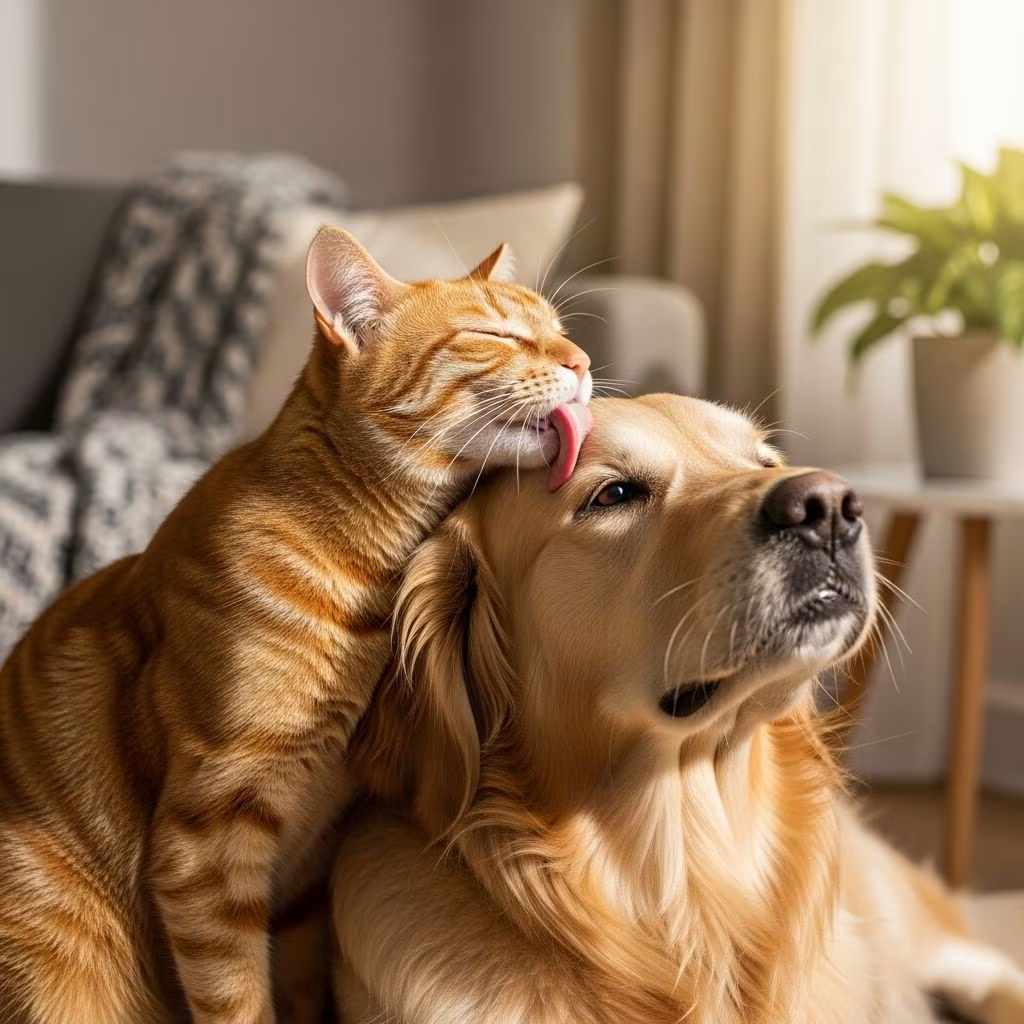
In multi-pet households, observing a cat licking a dog can be both endearing and puzzling. This behavior, known as allogrooming when between animals, serves multiple purposes rooted in feline instincts. Cats lick dogs primarily for grooming, to show affection, due to attractive scents, or for scent marking. Understanding these motivations helps pet owners foster better interspecies relationships and monitor for potential health issues.
This article delves into the four main reasons cats engage in this behavior, explores why ears are a favorite target, addresses when licking turns to biting, and offers advice on promoting friendship between cats and dogs. Backed by veterinary insights, these explanations reveal the complex social dynamics at play.
The 4 Possible Reasons Cats May Lick Dogs
Cats are meticulous groomers, and extending this to dogs is common in harmonious homes. Here are the primary vet-reviewed reasons:
1. Grooming
Cats possess specialized tongues covered in tiny, backward-facing spines called papillae, functioning like a natural brush to remove dirt, loose fur, parasites, and distribute oils for a healthy coat. When licking dogs, cats apply this grooming technique to keep their canine companions clean, much like they do for fellow cats in allogrooming.
Allogrooming strengthens social bonds, reduces tension, and can even establish hierarchy—often with the dominant cat targeting the head or neck. In cat-dog pairs, this mutual cleaning promotes trust and group cohesion, mimicking behaviors seen in wild feline colonies where grooming reinforces alliances.
However, a cat’s rough tongue can irritate a dog’s sensitive skin if excessive. Monitor for redness or discomfort, and gently intervene if needed to prevent over-grooming.
2. Affection
Beyond practicality, licking is a profound expression of love in cats. Mother cats groom kittens to nurture them, and adults reciprocate with family members to convey care and security. When a cat licks a dog, it’s often a sign of deep trust—the cat feels safe enough to expose its vulnerable grooming posture.
This behavior builds emotional connections, similar to how cats lick trusted humans. In interspecies friendships, it indicates the cat views the dog as part of its social circle, fostering a peaceful household dynamic. Watch for relaxed body language, like slow blinks or purring, confirming affectionate intent.
3. Attractive Scents
Cats have an acute sense of smell, over 14 times stronger than humans, driving curiosity-driven licking. Dogs often carry intriguing odors from outdoor adventures—grass, soil, or other animals—that cats investigate by tasting. Indoor cats, with limited exploration, find these scents particularly novel.
Food residues on a dog’s fur also attract felines eager for a salty snack. While not romantic, this exploratory licking is harmless and reflects the cat’s information-gathering instincts. It rarely signals distress unless accompanied by obsessive patterns.
4. Scent Marking
Cats use saliva as a territorial tool, depositing pheromones via licking to claim familiarity. By coating a dog with their scent, cats integrate it into their “safe” aroma profile, reducing future stress. This mirrors rubbing behaviors, where cats mark objects or people with facial glands.
In multi-pet homes, scent-swapping via licking helps delineate friend from foe, promoting harmony. Dogs may reciprocate by mouthing or nuzzling, blending scents further. Encourage this by swapping bedding between pets during introductions.
Why Do Cats Lick Dogs’ Ears?
Ears top the list of feline licking hotspots due to their waxy allure. Earwax, a mix of dead skin cells, oils, and fatty acids, emits a pungent aroma irresistible to cats. This buildup tastes savory, drawing persistent attention.
While usually benign, excessive ear licking warrants a vet check for infections or mites, which intensify odors and risk spreading via unclean mouths. Symptoms include head shaking, odor, or discharge. Some dogs resent ear contact, responding with growls—always supervise to protect the cat.
To manage: Clean ears routinely with vet-approved solutions and distract with toys if licking escalates. This prevents infections and maintains peace.
Why Do Cats Lick Dogs and Then Bite?
Licking and biting often coexist in feline communication, signaling shifting moods. A lick-bite combo might mean “I’ve had enough,” arising from overstimulation during play. Cats set boundaries this way, preferring gentle warnings over outright aggression.
Other triggers include fear, if the dog plays too roughly, prompting defensive swats or hisses alongside bites. Stress or pain (e.g., injuries, dental issues) can also provoke nipping. Observe context: relaxed play versus tensed posture with flattened ears.
If biting persists, separate pets and consult a vet to rule out medical causes. Provide escape routes and positive reinforcement training to teach gentle interactions.
Fostering Friendship Between Cats and Dogs
Building cat-dog bonds requires patience, as instincts clash—dogs may chase darting cats, triggering fear or retaliation. Success hinges on proper socialization, especially for puppies and kittens exposed young.
- Safe Spaces: Equip cats with vertical perches, shelves, and rooms dogs can’t access for retreat and privacy.
- Supervised Introductions: Use baby gates for scent familiarization before face-to-face meetings. Reward calm behavior with treats.
- Exercise and Enrichment: Tire out high-energy dogs with walks to curb chasing urges. Puzzle toys engage cats mentally.
- Screen Companions: Avoid dogs with prey drive or aggression histories. Breeds like Golden Retrievers often pair well with cats.
Progress gradually: parallel play evolves to side-by-side lounging, then mutual grooming. If tensions rise, professional trainers or behaviorists help. With time, licking signals enduring friendship.
Frequently Asked Questions (FAQs)
Is it normal for cats to lick dogs?
Yes, it’s a common, usually positive sign of grooming, affection, or bonding in multi-pet homes.
Why does my cat lick my dog’s ears specifically?
Earwax’s scent and taste attract cats; check for infections if excessive.
What if my cat licks then bites the dog?
It often means overstimulation or boundary-setting; supervise and separate if needed.
Should I stop my cat from licking the dog?
Not unless it causes irritation or health issues; it’s generally beneficial for bonding.
Can all dogs live peacefully with cats?
No—select dogs socialized to cats and provide safe spaces for felines.
Conclusion
Cats licking dogs enriches multi-pet life, blending instincts into companionship. By decoding these behaviors, owners nurture thriving relationships. Patience and vigilance ensure licking remains a love language, not a conflict spark.
References
- Why Do Cats Lick Dogs? 4 Vet-Reviewed Reasons — Hepper. 2023. https://articles.hepper.com/why-do-cats-lick-dogs/
- Why Do Dogs & Cats Lick People? — Study.com (Academy Lesson). 2023. https://study.com/academy/lesson/why-do-dogs-cats-lick-people.html
- What It Means When a Cat Licks You — Broomfield Veterinary Hospital. 2023. https://broomfieldvet.com/blog/when-a-cat-licks-you/



