

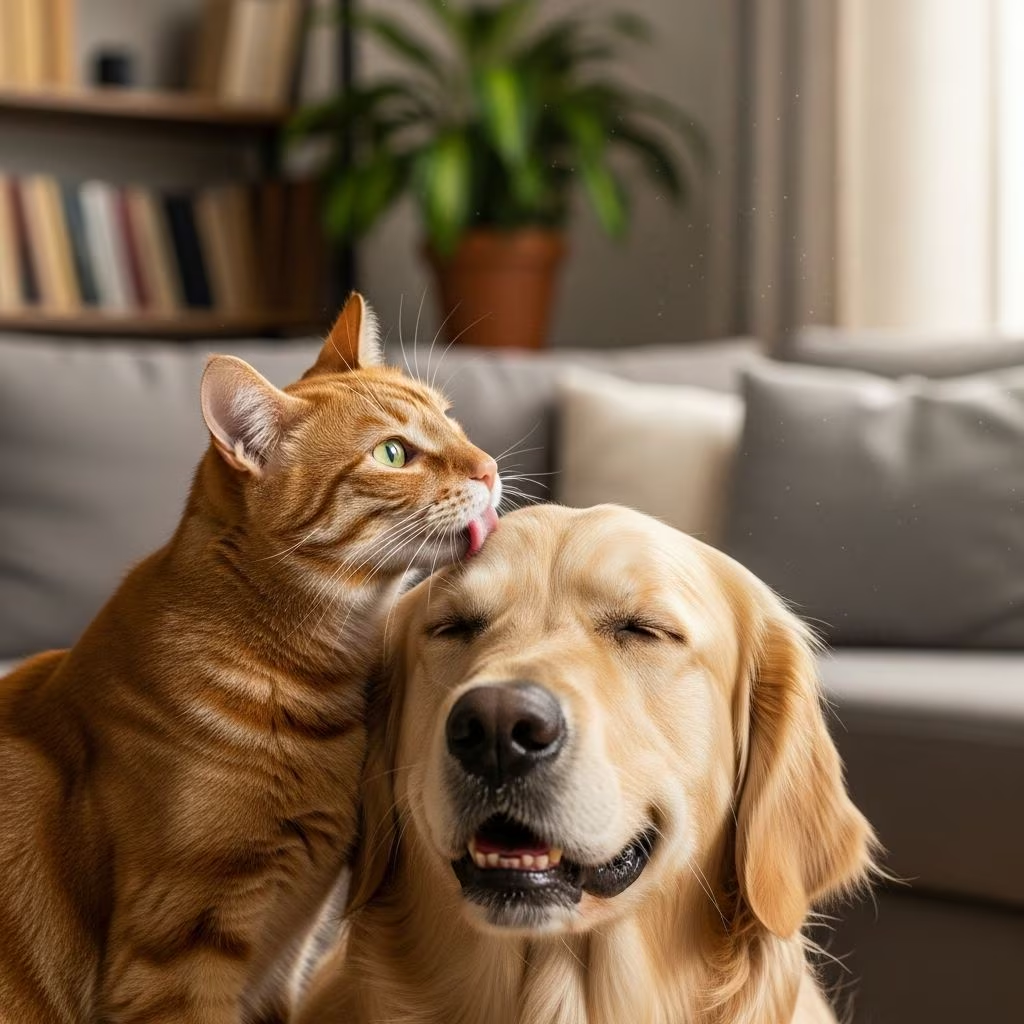
Cats licking dogs is a common and often endearing behavior in multi-pet households. This action, known as allogrooming when between animals, serves multiple purposes rooted in feline instincts and social dynamics. Far from random, it reveals insights into your cat’s feelings toward the dog, ranging from affection to curiosity about scents. Understanding these motivations helps pet owners interpret interspecies interactions accurately and promote peaceful coexistence.
While cats are meticulous self-groomers, extending this to dogs indicates trust and integration into their social circle. However, context matters: occasional licking is typically benign, but excessive or targeted licking, like on ears, may signal health issues. This article delves into the primary reasons, special cases, warning signs, and strategies for nurturing cat-dog bonds.
The 4 Possible Reasons Cats May Lick Dogs
Veterinarians identify four main reasons cats lick dogs, each tied to natural feline behaviors. These include practical grooming, emotional bonding, sensory exploration, and territorial communication. Recognizing these helps distinguish normalcy from potential concerns.
1. Grooming
Cats are grooming experts, using their specialized tongues equipped with papillae—tiny, backward-facing hooks that function like a natural comb. These structures effectively remove dirt, loose fur, dead skin, and parasites while spreading protective oils across the coat. When eating prey, the same papillae scrape meat from bones efficiently.
In social settings, grooming evolves into allogrooming, where cats clean each other to maintain hygiene, strengthen bonds, and reinforce hierarchy. A dominant cat might groom a subordinate’s head or neck to assert status or redirect tension. Extending this to dogs treats the canine as a “family member,” helping keep the dog’s fur tidy and fostering group cleanliness.
2. Affection
Beyond utility, licking expresses pure affection. Cats groom familiar companions—feline, human, or canine—to build trust and intimacy. This vulnerable act signals relaxation and security, as the grooming cat lowers defenses to get close.
Experts note that allogrooming with “preferred individuals” underscores bonding. Cats reserve this for trusted relationships, not strangers. When a cat licks a dog, it mirrors mother-kitten nursing or sibling care, releasing endorphins that soothe both parties. This behavior affirms the dog as part of the cat’s inner circle.
3. Attractive Scents
Cats possess an acute sense of smell and taste, using licking to investigate intriguing odors on a dog’s fur. Dogs often roll in or step into pungent substances—grass, dirt, or food remnants—that pique feline curiosity. Indoor cats, limited in exploration, gather environmental intel via the dog’s coat.
This exploratory lick provides sensory data about the dog’s adventures. If the dog has edible traces, like after meals, the cat may savor them. Though less romantic, it’s harmless curiosity, akin to a cat sniffing and tasting novel objects.
4. Scent Marking
Licking deposits the cat’s saliva, rich in pheromones, onto the dog, marking it as familiar territory. Cats prefer recognizable scents, reinforcing security through rubbing or licking. This communal scent-sharing unifies the household pack, reducing perceived threats.
Similar to cats marking owners, this ensures the dog “smells right,” aiding recognition in low light or from afar. It’s a subtle claim of ownership, promoting harmony by blending scents.
Why Do Cats Lick Dogs’ Ears?
Ears are a prime target for cat licks due to their waxy allure. Earwax, comprising dead skin cells, oils, and fatty acids, emits a potent aroma irresistible to many cats. This feast of scent and texture draws focused attention.
However, vigilance is key: sudden or obsessive ear-licking may indicate excess wax buildup or infection, intensifying the odor. Feline saliva isn’t sterile; repeated licking can exacerbate issues, spreading bacteria. Dogs with sensitive ears might react defensively, growling or snapping—always supervise.
Check the dog’s ears regularly: clean gently if needed, and consult a vet for redness, odor, discharge, or head-shaking, which signal problems attracting the cat.
When Cat Licking Dogs Becomes a Concern
Most licking is benign, but watch for red flags. Excessive licking might stem from stress, boredom, or displaced behaviors like early weaning in kittens, leading to obsessive habits.
- Overstimulation: If the dog is too boisterous, the cat may lick then bite to signal “enough.” Accompanying signs include flattened ears, swatting, or fleeing.
- Fear or Pain: Stressed cats bite defensively; painful ones lash out. Provide escape routes and vet checks for limping or wounds.
- Health Issues: Compulsive licking could indicate allergies, anxiety, or nutritional gaps. Monitor for bald spots or irritation on the dog.
Intervene by separating pets temporarily, enriching environments with toys and perches, and consulting professionals if behaviors persist.
Fostering Friendship Between Cats and Dogs
Building cat-dog rapport requires patience. Cats’ agility triggers some dogs’ chase instincts; fearful cats may aggress. Success hinges on proper introductions and ongoing management.
| Strategy | Benefits | Tips |
|---|---|---|
| Slow Introductions | Reduces fear | Swap scents first; use leashes and barriers. |
| Safe Spaces | Cat privacy | High shelves, baby gates; no dog access. |
| Positive Reinforcement | Builds associations | Treats for calm interactions. |
| Exercise & Enrichment | Lowers tension | Daily play prevents boredom-driven issues. |
Not all dogs suit cats: those unsocialized, chase-prone, or aggressive need reassessment. Early socialization maximizes compatibility.
Frequently Asked Questions (FAQs)
Is it normal for cats to lick dogs?
Yes, it’s common and usually positive, indicating grooming, affection, or scent interest.
Why does my cat lick my dog’s ears specifically?
Earwax’s scent attracts them, but check for infections.
What if my cat licks then bites the dog?
This signals overstimulation or boundaries; supervise and separate.
Should I stop my cat from licking the dog?
Only if excessive or causing irritation; otherwise, it’s bonding.
Can licking indicate stress in cats?
Possibly; watch for anxiety signs and enrich their environment.
This comprehensive guide empowers multi-pet owners to decode licking behaviors, ensuring joyful interspecies friendships. With understanding and proactive steps, cats and dogs can thrive together.
References
- Why Do Cats Lick Dogs? 4 Vet-Reviewed Reasons — Hepper. 2024-10-01. https://articles.hepper.com/why-do-cats-lick-dogs/
- Pet Parenting 101: Why do dogs and cats lick us? — PetLab. 2023-05-15. https://pet-lab.com.au/blogs/cleaning-tips/why-do-dogs-and-cats-lick-us
- What It Means When a Cat Licks You — Broomfield Veterinary Hospital. 2024-03-20. https://broomfieldvet.com/blog/when-a-cat-licks-you/
- Why Do Cats Lick & Groom Each Other? 6 Reasons Allogrooming — AmeriVet. 2024-08-12. https://amerivet.com/blog/why-do-cats-lick-groom-each-other



