

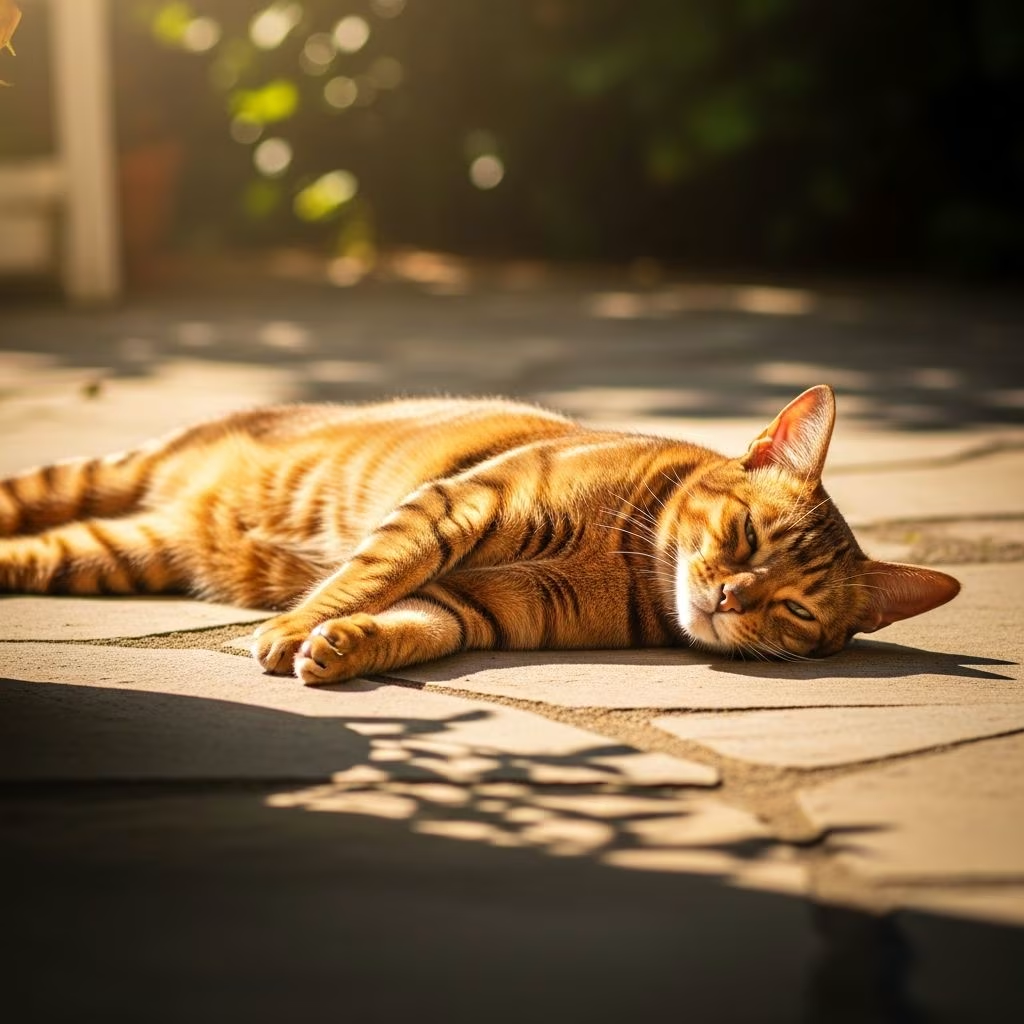
Cats often seek out sunbeams to lounge in, even during warm weather, due to their natural instincts for warmth, energy conservation, and health benefits like mood enhancement and joint relief. This behavior stems from their evolutionary needs to maintain a high body temperature of 100.5–102.5°F (38.1–39.1°C), which they achieve efficiently by externally heating their fur rather than expending metabolic energy.
Table of Contents
- Reason 1: Maintaining Optimal Body Temperature
- Reason 2: Energy Conservation
- Reason 3: Vitamin D and Circadian Rhythm Regulation
- Reason 4: Serotonin Boost for Mood and Well-Being
- Reason 5: Joint and Muscle Relief, Especially for Seniors
- Reason 6: Instinctual Comfort and Relaxation
- The Risks of Excessive Sunbathing
- Tips for Safe Sunbathing
- Frequently Asked Questions
Reason 1: Maintaining Optimal Body Temperature
Cats have a higher basal body temperature than humans, ranging from 100.5 to 102.5°F, making them naturally drawn to warm spots like sun patches to stay comfortably toasty. During sleep, which occupies much of their day—up to 16 hours for adults—their body temperature drops slightly as metabolic activity slows, so they seek solar warmth to counteract this without effort. This is particularly evident in domestic cats mimicking wild behaviors, where daytime napping in sunlit areas conserves heat lost during nocturnal hunting.
In hot weather, cats can tolerate temperatures up to 50°C (122°F) due to adaptations from desert-dwelling ancestors, allowing them to bask comfortably while humans sweat. Their fur acts as insulation, trapping heat efficiently, which explains why they flop into sunbeams with abandon, stretching out to maximize exposure.
Reason 2: Energy Conservation
Sunbathing is an energy-efficient strategy for cats, who prioritize conserving calories for essential activities like hunting or play. By absorbing external heat, they avoid the caloric cost of internal thermoregulation, akin to wild felines like lions lounging between hunts. Veterinarians note this as a key instinct: ‘Sunlight allows cats to reserve energy for other activities,’ preserving their high metabolic demands.
For indoor cats, this translates to sprawling in windowsills, reducing energy expenditure during their 12–16 daily hours of rest. This behavior is evolutionarily rooted, as ancestral cats in warm climates used sunlight to maintain vitality without constant foraging.
Vitamin D and Circadian Rhythm Regulation
Unlike humans, cats do not synthesize significant vitamin D from sunlight due to fur blocking UVB rays; they primarily obtain it from diet, especially prey livers. However, sun exposure produces sebaceous oils on their coat, ingested during grooming and converted to vitamin D, providing a minor boost. More importantly, natural light regulates their circadian rhythm, syncing sleep-wake cycles and promoting grooming, stretching, and activity.
This rhythm alignment enhances overall vitality, with sunlight signaling daytime rest and nighttime activity, even for house cats. While not a primary vitamin D source, these indirect benefits make sunbathing essential for feline health.
Serotonin Boost for Mood and Well-Being
Sunlight triggers serotonin production in cats, the ‘feel-good’ hormone that elevates mood, reduces stress, and aids healing, much like in humans. Exposure to natural light combats anxiety, fostering contentment and relaxation, vital for indoor cats lacking environmental variety. Anecdotes of cats enjoying SAD lamps underscore this, as light mimics sunlight’s brain-happy effects.
For mental health, sunbathing provides enrichment, lowering stress hormones and promoting serene behaviors like purring during naps. This serotonin surge explains their blissful sun-drenched poses, enhancing emotional balance.
Joint and Muscle Relief, Especially for Seniors
The penetrating warmth of sunlight soothes muscles and joints, offering natural relief for arthritis common in older cats from years of jumping. Heat reduces stiffness, eases movement, and promotes deeper stretches and recovery naps. Senior cats particularly favor sun spots for this therapeutic effect, improving mobility and comfort.
This passive therapy mimics heat packs, with infrared rays penetrating fur to warm tissues directly, alleviating hip and spine pain. Owners often observe increased playfulness post-sunbathing in aging felines.
Instinctual Comfort and Relaxation
Cats are creatures of comfort, gravitating to sunbeams for the perfect blend of warmth, security, and stillness. This ties to ancient Egyptian reverence, linking cats to sun god Ra for their basking habits. Modern cats continue this, finding sunlit spots ideal for deep naps and self-grooming.
The combination of heat and light creates a rewarding, safe haven, encouraging positive behaviors and overall relaxation. It’s not just physical—it’s an instinctive ritual fulfilling deep-seated needs.
The Risks of Excessive Sunbathing
Despite benefits, prolonged exposure risks solar dermatitis, causing skin redness, drying, scabbing on ears and noses, especially in light-skinned or sparse-haired cats, potentially leading to cancer. Older cats on corticosteroids may experience coat bronzing, lightening dark fur. Indoor sunbathing through windows still poses UV risks without full UVB block.
| Risk | Affected Cats | Symptoms |
|---|---|---|
| Solar Dermatitis | Light-pigmented, sparse hair | Redness, scabs, cancer risk |
| Coat Bronzing | Seniors on meds | Fur lightening |
| Overheating | All, esp. brachycephalic | Lethargy, panting |
Tips for Safe Sunbathing
- Provide shaded alternatives and monitor time in direct sun, limiting to 20–30 minutes.
- Use UV-blocking window films for indoor basking.
- Ensure fresh water and cool spots nearby.
- Check skin regularly for irritation, especially on ears/nose.
- Consult vets for seniors or medicated cats.
Balance sun time with nutrition for vitamin D to maximize benefits safely.
Frequently Asked Questions (FAQs)
Is sunbathing healthy for cats?
Yes, in moderation—it aids temperature regulation, mood, and joints, but watch for skin risks.
Do cats get vitamin D from the sun?
Minimally; fur blocks UVB, so diet is primary, but grooming oils provide some.
Why do senior cats love the sun more?
Warmth relieves arthritis and stiffness in hips/spines.
Can cats overheat in the sun?
They tolerate high temps but risk burns or dermatitis; provide shade.
How much sun is safe?
Short sessions with breaks; monitor for signs of distress.
References
- Why Your Cat Is Obsessed With Sunbathing (No Matter How Hot It Is) — Kinship. 2023. https://www.kinship.com/cat-behavior/why-do-cats-love-to-sunbathe
- The Benefits of Sunbathing for Cats — Pet Krewe. 2024. https://petkrewe.com/blogs/trends/the-benefits-of-sunbathing-for-cats
- Here Comes the Sun: Dangerous Things Cats Like — Catster. 2023. https://www.catster.com/felines-weekly/here-comes-the-sun-dangerous-things-cats-like/
- Why Does My Cat SUNBATHE? (3 Benefits of Sunlight) — YouTube (The Curious Cat). 2023. https://www.youtube.com/watch?v=BjCSLm-3YME
- Does your dog or cat like to lounge in the sun? Here’s why — NutriSource Pet Foods. 2024. https://nutrisourcepetfoods.com/blog/pet-parents/does-your-dog-or-cat-like-to-lounge-in-the-sun-heres-why/
- Why Do Cats Love to Sunbathe? (6 Reasons Why) — Cats.com. 2024. https://cats.com/why-do-cats-love-to-sunbathe



