

Why Do Cats Knead? Understanding This Adorable Behavior
If you’ve ever had a cat sit on your lap and rhythmically push their paws against your legs or stomach, you’ve experienced one of the most endearing feline behaviors: kneading. This distinctive motion, where cats alternate their front paws in a pushing and relaxing pattern, is a common sight in households with cats. While it may seem like a random gesture, cat kneading is actually a complex behavior with multiple underlying reasons. Understanding why your cat kneads can deepen your appreciation for your feline companion and help you recognize what your cat is trying to communicate.
What Is Cat Kneading?
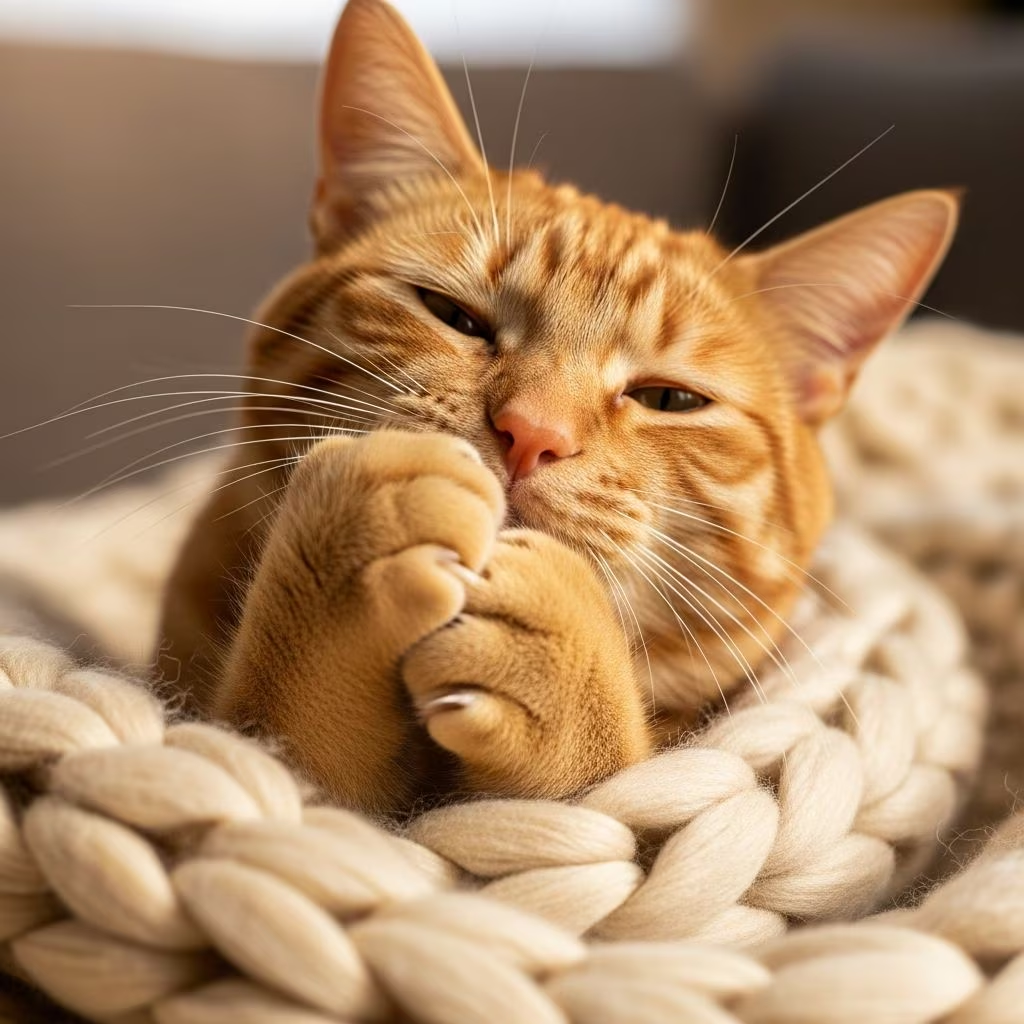
Cat kneading is the rhythmic pushing motion cats make with their paws, typically against a soft surface. During this behavior, a cat exerts firm downward pressure with one paw, opening their toes to expose their claws, then closes their claws as they lift their paw. This process alternates between paws at intervals of roughly one to two seconds. The behavior is often accompanied by purring, and some cats may even drool or appear to enter a trance-like state of relaxation.
Cats typically only knead on soft or pliable surfaces, such as their owner’s lap, blankets, cushions, or stuffed toys. On harder surfaces, cats may reflexively “march” instead of performing the full kneading motion. The surfaces cats choose to knead often reflect their personal preferences and the availability of comfortable spots in their environment.
The Main Reasons Why Cats Knead
Nursing Instinct From Kittenhood
The most widely accepted theory for why cats knead relates to their behavior as nursing kittens. When kittens are young and nursing from their mother, they instinctively knead the area around the mother’s teats to stimulate milk production and promote milk flow. This action creates a positive association in the kitten’s brain between kneading and the comfort and nourishment of nursing.
As cats grow into adulthood, this behavior often persists. Many experts believe that adult cats continue kneading because it recreates the pleasurable sensations and feel-good hormone release they experienced during nursing. The motion itself can stimulate the release of endorphins and other positive neurochemicals in a cat’s brain, making kneading a self-soothing behavior that brings comfort and relaxation. This explains why cats often knead when they’re feeling content, secure, or seeking comfort during stressful situations.
Creating a Comfortable Resting Place
Another significant reason cats knead is to prepare their sleeping area. In the wild, feral cats knead tall grass and vegetation to create soft, comfortable nesting places before lying down. This ancestral behavior is still present in domestic cats today. You’ll often observe your cat kneading a blanket, cushion, or even the couch before settling down for a nap or sleep session.
This instinctive behavior allows cats to make their resting spots as comfortable and cozy as possible, much like how humans might fluff a pillow or adjust bedding before sleep. Even after a cat has settled into their spot, they may continue kneading to maintain comfort and contentment as they prepare to rest.
Showing Affection and Bonding
When your cat kneads on your lap or on you while purring, they’re likely expressing affection and contentment. Cats may knead their favorite people or other household pets to show love and create a bonding moment, just as they did with their mother as kittens. This behavior demonstrates trust and attachment, indicating that your cat feels safe and comfortable in your presence.
The intensity and frequency of kneading can vary based on your cat’s emotional state. Cats that have been alone for extended periods may knead with more intensity, especially when greeting their favorite person. Conversely, if your cat is experiencing stress or anxiety, they might knead less frequently as they spend more time hiding or seeking solitude.
Territorial Marking Through Scent Glands
Cats have scent glands located in their paws, and kneading is one way they use these glands to mark territory and communicate with other cats. When your cat kneads on you, your furniture, or their favorite bedding, they’re leaving behind their unique scent to claim these items as their own. This scent marking behavior helps cats feel more secure in their environment and establishes their territory.
The pheromones released through kneading serve as chemical messages to other felines, effectively saying “this is mine.” For indoor cats, this behavior helps them feel more in control of their living space and reinforces their sense of belonging in their home.
Muscle Stretching and Physical Wellness
Kneading also serves as a form of stretching exercise for cats. Since cats spend a significant portion of their day sleeping and resting, their muscles can become stiff and tight. When cats wake up, kneading helps them stretch and limber up their muscles in preparation for activity. This behavior keeps their muscles flexible and promotes overall physical wellness, functioning similarly to how humans stretch after waking up.
Reproductive Signaling in Female Cats
Female cats in heat may knead as part of their reproductive behavior. When a female cat is in estrus (heat), she may knead the air while lying on her side, combined with purring and stretching, to signal to male cats that she is ready to mate. This behavior is part of the complex communication system cats use during breeding season. Spaying is the most effective way to prevent this behavior and other heat-related activities.
Variations in Kneading Behavior
Just like humans, every cat is unique, and kneading behavior can vary significantly from one cat to another. Some cats knead gently and quietly, while others knead with intense vigor. Some cats may extend their claws fully during kneading, while others keep their claws retracted. Certain cats may suckle or even gently bite while kneading, entering what appears to be a hypnotic state of deep relaxation.
The surfaces cats choose to knead also vary. While many cats prefer soft textures like blankets or their owner’s lap, some may knead on firmer surfaces or even in the air. The intensity and duration of kneading can fluctuate based on your cat’s current emotional state, life circumstances, and overall comfort level in their environment.
Is Excessive Kneading Normal?
In most cases, kneading is a completely normal and healthy cat behavior that strengthens the bond between cats and their human companions. However, significant changes in kneading patterns warrant attention. If your cat suddenly begins kneading excessively or stops kneading altogether after regularly doing so, it could indicate an underlying health or behavioral issue.
Cats experiencing stress, anxiety, or physical pain may increase their kneading as a self-soothing mechanism. Environmental changes such as home remodeling, moving, or the introduction of new pets can trigger increased kneading as your cat seeks comfort during uncertain times. Conversely, if your cat is hiding more and kneading less, they may be experiencing distress.
If you notice a significant or sudden change in your cat’s kneading behavior, it’s advisable to consult with your veterinarian to rule out medical conditions or behavioral concerns that might require intervention.
Managing Kneading in Your Home
Protecting Your Skin and Clothing
While kneading is an affectionate behavior, untrimmed or sharp claws can make the experience uncomfortable or even painful for you. Regular nail trimming is one of the most effective ways to manage this issue. Keeping your cat’s nails trimmed reduces the risk of their claws digging into your skin or snagging your clothes.
You can also place a thick blanket or cushion on your lap when your cat settles in to knead. This protective barrier reduces discomfort while still allowing your cat to express their affection. Many cat owners find that the slight discomfort is a small price to pay for the bonding experience that kneading provides.
Protecting Furniture and Fabrics
Kneading can cause snags and pulls in fabric, and sometimes cat claws can become caught on blankets or furniture during the motion. To protect your home furnishings, provide designated soft surfaces where your cat can knead comfortably. This might include specific blankets, cushions, or cat beds that you don’t mind showing wear.
Additionally, keeping your cat’s nails trimmed and providing appropriate scratching posts nearby can help redirect some of this energy and reduce damage to your furniture and household items.
The Bonding Experience
Despite the minor challenges that kneading can present, it remains a wonderful bonding experience for both cats and their human companions. When your cat kneads on you, they are expressing trust, affection, and contentment. Recognizing kneading as a positive behavior strengthens your relationship with your feline friend and deepens your understanding of their emotional needs and communication style.
By appreciating this natural feline behavior and taking steps to make it comfortable for both you and your cat, you’re fostering a stronger, more meaningful connection with your pet.
Frequently Asked Questions
Q: Why does my cat knead on me but not on other people?
A: Your cat may have a preference for certain people they trust more or feel more comfortable with. Kneading is an affectionate gesture, so your cat kneading specifically on you indicates they feel especially bonded to you and seek comfort from your presence.
Q: Is it normal for adult cats to knead?
A: Yes, it is completely normal for adult cats to knead. Many cats retain this kitten behavior throughout their lives. It’s a sign of contentment and affection that persists from their nursing days.
Q: Why does my cat knead and then bite?
A: Some cats knead and bite simultaneously as part of their relaxation response. This behavior, sometimes called “love bites,” is usually gentle and indicates your cat is in a state of deep contentment, though it can be uncomfortable if the bites are too hard. Redirecting this behavior gently or providing a barrier can help.
Q: Can kneading indicate that my cat is sick?
A: While kneading itself is not a sign of illness, changes in kneading behavior can indicate health problems. If your cat suddenly kneads excessively or stops kneading altogether, consult your veterinarian to rule out pain, stress, or medical conditions.
Q: How can I stop my cat from kneading?
A: Kneading is a natural behavior, and attempting to stop it entirely is not recommended. Instead, manage the discomfort by trimming your cat’s nails regularly, placing a blanket on your lap, or gently redirecting your cat to a soft surface designated for kneading.
Q: Do all cats knead?
A: Not all cats knead, and some may knead less frequently than others. Individual personality differences, early experiences, and breed tendencies can influence whether and how often a cat kneads. If your cat doesn’t knead, that’s completely normal.
References
- Why Do Cats Knead? — American Animal Hospital Association (AAHA). 2024. https://www.aaha.org/resources/is-my-cats-knead
- Why Do Cats Knead? — Preventive Vet. 2024. https://www.preventivevet.com/cats/why-do-cats-knead
- What Is Cat Kneading and Why Do They Do It? — Warrick Veterinary Clinic. 2024. https://warrickvet.com/blog/what-is-cat-kneading-and-why-do-they-do-it/
- Kneading (cats) — Wikipedia Contributors. 2024. https://en.wikipedia.org/wiki/Kneading_(cats)



