

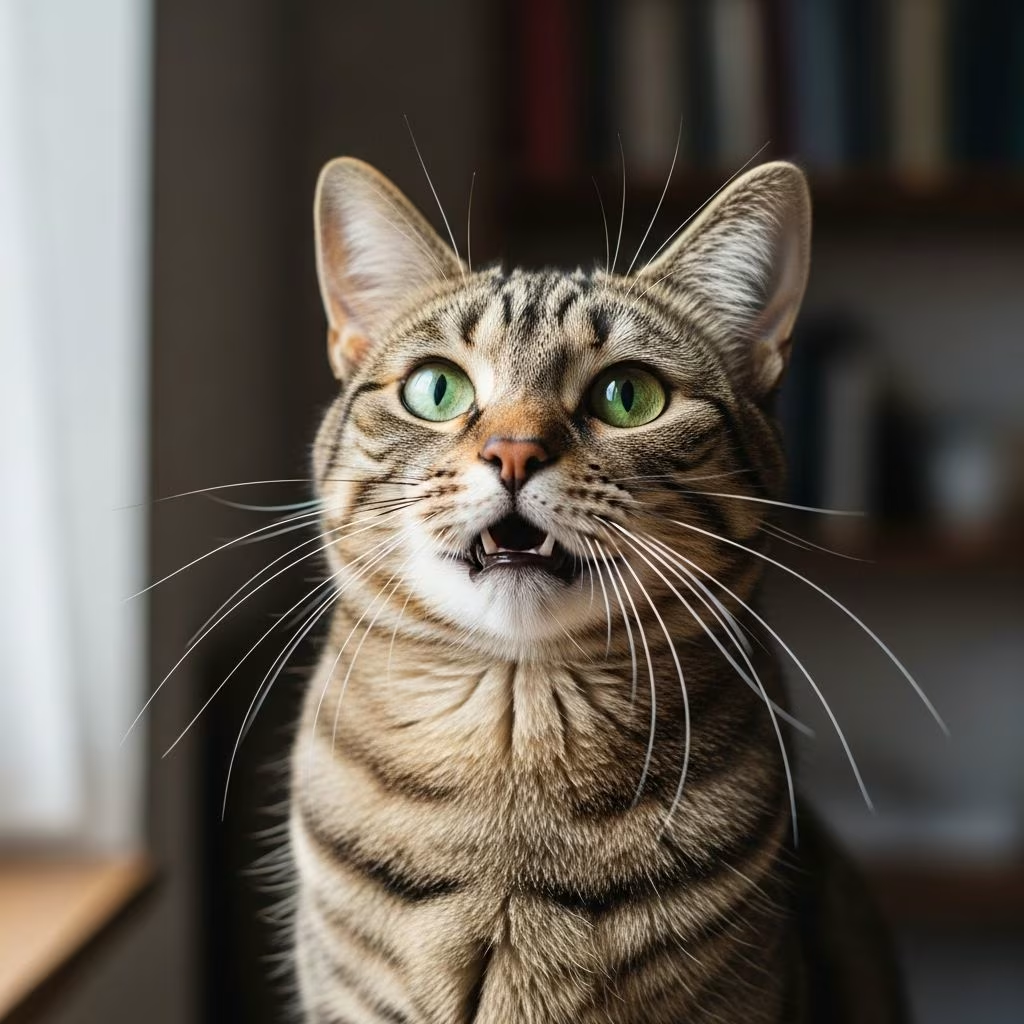
Cats often hold their mouths open in a peculiar grimace-like pose, leaving many owners puzzled. This behavior, known as the **Flehmen response**, primarily helps cats analyze scents more effectively using a special organ in their mouth. However, it can also signal pain from dental issues, attempts to communicate, aggression, or serious health problems like breathing difficulties.
Understanding these reasons is crucial for cat owners to distinguish normal behavior from signs needing veterinary attention. This article explores the nine common vet-approved reasons, drawing from feline anatomy, behavior, and health insights.
The 9 Common Reasons Why Cats Hold Their Mouth Open
Cats exhibit this behavior for both instinctual and medical reasons. Here’s a breakdown of each:
Identifying a Unique Scent
The most frequent cause is the **Flehmen response**, where cats open their mouths to process intriguing odors. Air passes over the **vomeronasal organ** (Jacobson’s organ) on the roof of the mouth, combining smell and taste for detailed analysis. This organ detects pheromones undetectable by the nose alone.
1. Urine Identification
Cats, especially unneutered males, use urine spraying to mark territory with pheromones indicating gender, age, and status. Both sexes do this. Encountering such scents triggers the Flehmen response as the cat analyzes the chemical message. Neutering reduces spraying, promoting harmony in multi-cat homes.
2. Mother and Kittens
Mother cats release calming pheromones from nipple glands to soothe kittens and create a scent trail. Kittens memorize these from milk, using the Flehmen response to relocate mom if separated. This bonding mechanism ensures kitten survival.
3. Other Cats
Cats detect pheromones from other felines via cheek glands, paw pads, and tails. The Flehmen response helps interpret social cues like reproductive status or familiarity during encounters.
4. Food
Enticing food aromas or catnip prompt the response. Catnip mimics feline pheromones for some cats, eliciting intense reactions like rolling and rubbing. Distant meals may also trigger it for a stronger whiff.
Pain
Open mouths can indicate oral discomfort, preventing teeth from touching sensitive areas and allowing airflow to soothe inflammation.
5. Dental Disease
Common issues include **gingivitis** (gum inflammation), **periodontitis** (advanced infection), and **tooth resorption** (tooth breakdown). Symptoms include:
- Bad breath
- Drooling
- Inflamed gums
- Lethargy
- Pain while eating
Early vet intervention prevents progression. Regular dental check-ups are vital.
6. Gingivostomatitis
This severe condition causes painful inflammation from immune overreaction to plaque. Symptoms:
- Bad breath
- Bright red, bleeding gums
- Drooling
- Difficulty eating/grooming
- Excessive swallowing
- Pawing at face
Treatment may involve antibiotics, pain relief, or tooth extraction.
Attempting to Verbalize
7. Communication or No Communication
Cats slightly open mouths before meowing, hissing, or purring. Silent opens suggest gearing up for a sound. Observe context for full meaning.
Aggression
8. Biting
An open mouth during petting signals impending bite—fun turning to overstimulation. Watch for fidgeting, hissing, tensing, growling. Back off to avoid scratches.
Health Problem
9. Trouble Breathing
Open-mouth breathing (panting) is abnormal in cats, indicating distress. Causes: nasal blockages (allergies, infections, tumors), heart/lung disease, FIP, chest injuries, asthma. Emergency symptoms:
- Blue gums
- Coughing
- Extended neck, tucked legs
- Panting/trouble breathing
- Refusing to move
Seek immediate vet care.
When to Worry: Quick Reference Table
| Behavior Type | Common Signs | Action Needed |
|---|---|---|
| Flehmen Response | Mouth open briefly after sniffing; relaxed body | Normal, no action |
| Dental Pain | Drooling, bad breath, pawing mouth, eating issues | Vet visit ASAP |
| Breathing Distress | Panting, blue gums, lethargy | Emergency vet |
| Aggression | Tense body, growling before bite | Give space |
Frequently Asked Questions (FAQs)
Q: Is the Flehmen response harmful?
A: No, it’s a normal sensory behavior using Jacobson’s organ to analyze pheromones.
Q: Why does my cat hold its mouth open after smelling food?
A: They’re enhancing scent analysis via the vomeronasal organ, similar to catnip reactions.
Q: When is open-mouth breathing an emergency?
A: Always—cats should breathe nasally. It signals respiratory distress needing urgent care.
Q: Can dental disease cause chronic mouth opening?
A: Yes, pain from gingivitis or resorption leads to open posture to avoid contact.
Q: Do all cats show the Flehmen response?
A: Most do, especially to strong pheromones, though intensity varies.
Conclusion
Cats hold their mouths open mainly for scent investigation via the Flehmen response but also due to pain, communication, aggression, or health crises. Monitor accompanying signs and consult a vet for persistent or distress-linked behavior to ensure your feline’s well-being.
References
- Why Do Cats Hold Their Mouths Open? 9 Vet-Approved Reasons — Catster. 2023. https://www.catster.com/cat-behavior/why-do-cats-hold-their-mouth-open/
- Cat Panting? Possible Reasons and When To Call Your Vet — PetMD. 2024-01-15. https://www.petmd.com/cat/symptoms/cat-panting
- Open-Mouth Breathing in Cats: Immediate Steps for a Pet Emergency — GSVS. 2024. https://gsvs.org/blog/cat-open-mouth-breathing-immediate-steps/
- Flehmen Response in Cats: Why They Open Their Mouths To Smell — Rover. 2023. https://www.rover.com/blog/cat-open-mouth-smell/
- Why Do Cats Open Their Mouths When They Smell Something? — Chewy. 2023. https://www.chewy.com/education/cat/training-and-behavior/why-do-cats-open-their-mouths-when-they-smell-something-is-this-normal



