

Why Do Cats Hiss: Understanding This Common Feline Behavior
Cats communicate in many different ways, and one of the most distinctive vocalizations is hissing. If you’ve ever heard your cat produce that sharp, hissing sound, you may have wondered what it means and whether your cat was angry with you. The truth is, cat hissing is a complex behavior that serves important communicative functions in the feline world. Understanding why cats hiss can help you better interpret your pet’s needs and respond appropriately to their emotional state.
Hissing is a defensive vocalization that cats use to express discomfort, fear, anxiety, or a need for space. It’s not necessarily a sign of aggression or hatred, but rather a warning signal that your cat wants something to change about their current situation. By learning what triggers hissing in cats and how to recognize the context, you can develop a stronger relationship with your feline companion and address any underlying issues that may be causing stress.
How Do Cats Hiss?
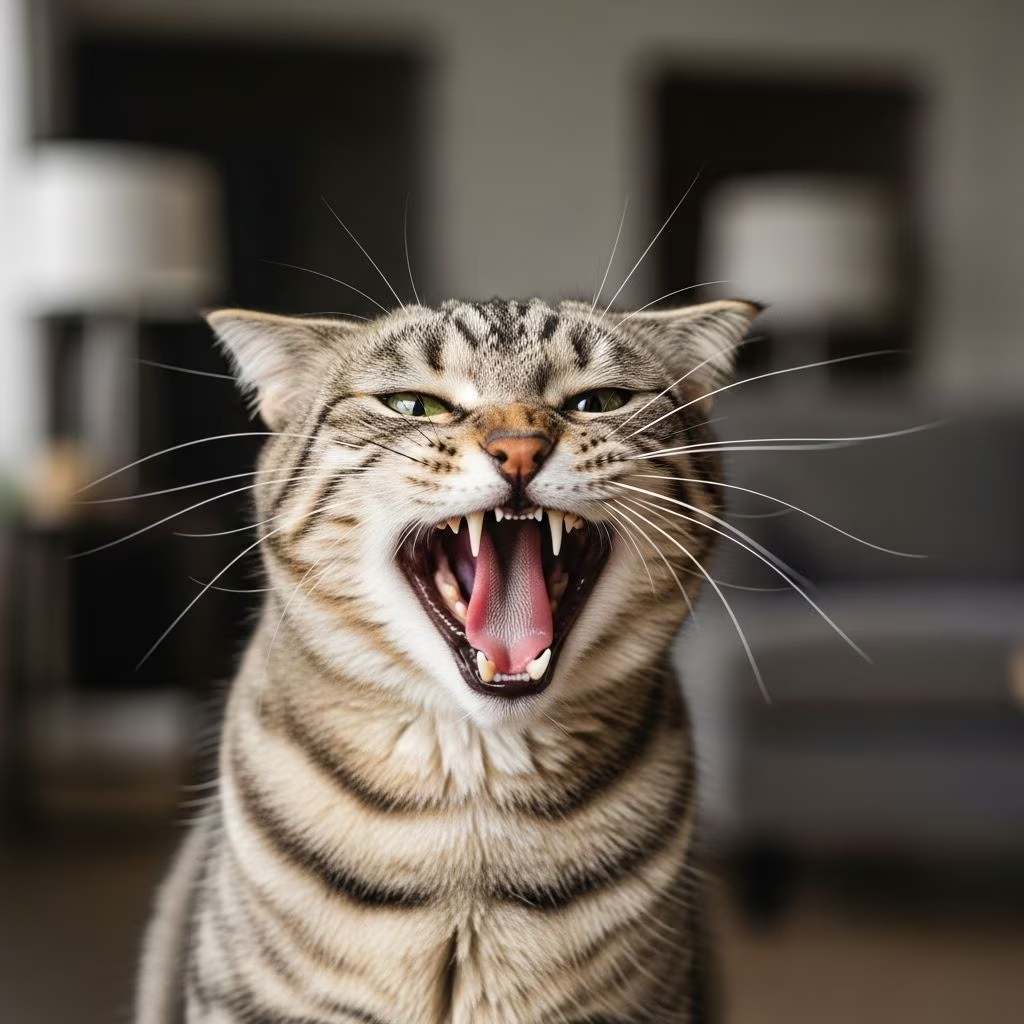
The mechanics of cat hissing are quite fascinating. When a cat hisses, they produce a distinctive high-pitched sound that resembles the hiss of a snake. This sound is created by forcing air through the mouth in a specific way, and it’s often accompanied by characteristic body language. A hissing cat will typically flatten their ears against their head, arch their back, puff up their tail, and may even show their teeth or swat with their paws.
Hissing is distinguished from other cat vocalizations, such as growling, by its pitch and duration. Growling is typically lower-pitched and longer in duration, while hissing is high-pitched and short. Additionally, growling is considered more aggressive than hissing. The physical display that accompanies hissing—the flattened ears, raised fur, and puffed tail—makes it clear to others that the cat is in a defensive state and should not be approached.
What Does It Mean When a Cat Hisses? Six Reasons Behind the Behavior
Cat hissing can indicate several different emotional or physical states. Understanding the specific reasons behind your cat’s hissing can help you respond more effectively and address any underlying concerns. Here are the primary reasons cats hiss:
1. Warning and Territorial Defense
One of the most common reasons cats hiss is to issue a warning to other animals or people to back away. Cats use hissing as a way of establishing boundaries and communicating that they need their space. This is particularly common when a cat encounters an unfamiliar animal or person. The hiss essentially translates to: “Keep your distance. I don’t know your intentions, and you’re making me uncomfortable.” By hissing, cats are attempting to prevent conflict before it escalates to physical confrontation.
2. Pain or Physical Discomfort
If your cat is experiencing pain, they may hiss as a response to discomfort. This could range from minor issues, such as one kitten hissing during rough play when their sibling plays too roughly, to more serious situations where your cat hisses because you’ve inadvertently touched an injured area. If your cat hisses when you’re handling them or touching a specific area, it’s important to examine them for signs of injury. Persistent hissing related to pain may indicate a more serious health issue, and you should consult with your veterinarian.
3. Unfamiliarity and Stress
Cats are creatures of habit and often find unfamiliar situations stressful. When exposed to new people, animals, or environments, cats may hiss as a defensive response to their anxiety. This behavior is particularly common when you bring a new cat into your home or introduce your cat to unfamiliar people. The hissing is your cat’s way of communicating that the situation is overwhelming and that they need space to feel safe. With time and proper introductions, most cats will become more comfortable and the hissing will decrease.
4. Overstimulation During Petting
Some cats become overstimulated when petted or handled excessively. If your cat is sensitive to touch, they may hiss when they’ve reached their threshold for physical contact. Typically, a cat will display warning signs before resorting to hissing—such as tail twitching, skin rippling, or ear flattening—to indicate that they’ve had enough. If you continue to pet or handle your cat after these warning signs or after they hiss, you risk triggering more aggressive behavior like biting or scratching. It’s essential to respect your cat’s boundaries and stop handling them as soon as they show signs of discomfort.
5. Chronic Illness or Ongoing Health Issues
Cats suffering from chronic illnesses or constant pain may hiss more frequently than healthy cats. If your cat is experiencing ongoing discomfort from a medical condition, they may display increased hissing behavior. If you notice that your cat’s hissing has become more frequent or is new behavior, it’s important to discuss this with your veterinarian. They can help determine whether an underlying health condition is contributing to the behavior and suggest ways to make your cat more comfortable.
6. Annoyance or Simple Irritation
Sometimes, cats simply hiss because you’re annoying them or doing something they don’t enjoy. If your cat is hissing at you, it might be because they don’t want to be petted at that moment, or you’re attempting to pick them up when they’d prefer to be left alone. This type of hissing is your cat’s way of setting boundaries and telling you to back off. Respecting these signals helps maintain a positive relationship with your cat and prevents escalation to more aggressive behaviors.
Why Does My Cat Hiss at Me?
If your cat is specifically hissing at you, it’s important to understand that this behavior typically indicates one of two things: either your cat is annoyed and trying to communicate that you should back away, or your cat is experiencing some form of distress and needs your help. The context in which the hissing occurs is crucial to understanding what your cat is trying to tell you.
If you’re in the middle of petting your cat or lifting them when the hissing begins, pause and examine them carefully for any signs of injury or tenderness. Sometimes a cat will hiss at their owner because they’re in pain, and the person has inadvertently touched a sensitive area. Other times, your cat may hiss simply because they don’t enjoy being handled at that particular moment or in that particular way.
Additionally, cats are sensitive to human emotions and body language. If you’re feeling anxious or nervous, your cat may pick up on these feelings and respond defensively. Creating a calm, stress-free environment and approaching your cat with confidence can help reduce hissing behavior related to your emotional state.
What Should I Do If My Cat’s Hissing at Me?
When your cat hisses at you, the appropriate response is to back away and give them space. Hissing is a form of communication, and your cat is clearly telling you that something about the current situation is uncomfortable or unacceptable. Pushing through the hissing or punishing your cat for this behavior can backfire and may cause your cat to skip the warning signal entirely and move directly to more aggressive behavior like biting or scratching.
Instead of punishment, focus on understanding what triggered the hissing. Evaluate the situation: Were you trying to handle your cat in a way they don’t enjoy? Did you accidentally touch a sensitive area? Is there environmental stress that might be affecting your cat? Once you identify the trigger, you can work to avoid the situation in the future or desensitize your cat to it gradually.
It’s also important not to take your cat’s hissing personally. Hissing doesn’t mean your cat hates you; it means they don’t like a particular situation. By respecting this boundary and giving your cat space when they hiss, you’re actually strengthening your bond and showing your cat that you understand and respect their needs.
Why Do Cats Hiss at Each Other?
Cats also hiss at other cats for various reasons. During play sessions, a cat may hiss at another cat to signal that the play is becoming too rough or that they’re no longer enjoying the interaction. This is a way for cats to communicate boundaries with one another. In multi-cat households, hissing can also occur when cats are establishing hierarchy or when introducing a new cat to the group.
When a new cat enters the home, it’s common for resident cats to hiss at the newcomer. This doesn’t necessarily mean the cats won’t eventually get along; it’s simply a natural response to an unfamiliar animal in their territory. With proper introductions and time, most cats will become accustomed to each other and the hissing will diminish or cease altogether.
Should I Let My Cats Hiss at Each Other?
In most cases, allowing your cats to hiss at each other is acceptable and even beneficial. Hissing is actually a non-violent form of communication that allows cats to establish boundaries without resorting to physical aggression. By hissing, cats are essentially saying, “Back off, I need space,” which is preferable to them immediately engaging in a fight.
When you introduce a new cat to your household, you should expect some hissing from your resident cat. This is a normal part of the adjustment process. Rather than intervening immediately, allow the cats to communicate through hissing and other vocalizations. This gives them the opportunity to establish their relationship without physical conflict. However, if hissing escalates to actual fighting with scratching, biting, or sounds of injury, you should separate the cats and consult with a behaviorist or veterinarian for guidance on proper introductions.
Cat Hissing Isn’t Necessarily Bad
While hissing indicates that a cat is experiencing some level of distress, it’s important to recognize that hissing serves a positive communicative function. When a cat hisses instead of immediately attacking, they’re actually giving the other party a chance to back away and avoid physical confrontation. In this sense, hissing can be thought of as your cat’s attempt to de-escalate a situation.
If your cat couldn’t hiss, they would likely resort to more aggressive behaviors like scratching or biting without warning. By hissing, your cat is communicating their discomfort and giving you or another animal an opportunity to change the situation. This is why it’s so important never to punish a cat for hissing. Doing so sends the message that your cat shouldn’t communicate, and they may skip the warning signal entirely and go straight to physical aggression.
Instead of viewing hissing negatively, try to see it as valuable information. Your cat is telling you that something needs to change. By respecting this communication and addressing the underlying cause of the stress or discomfort, you can improve your cat’s well-being and strengthen your relationship with them.
Frequently Asked Questions
Q: Is it normal for cats to hiss?
A: Yes, hissing is a completely normal cat behavior. Most cats will hiss at some point in their lives, though some cats hiss more frequently than others. The frequency and intensity of hissing can vary depending on the individual cat’s personality and life experiences.
Q: Does hissing mean my cat is angry?
A: Not necessarily. While hissing can occur in situations involving frustration, it more commonly indicates fear, anxiety, pain, or a need for space. Hissing is a defensive response rather than an aggressive one, and it doesn’t mean your cat hates you.
Q: How can I stop my cat from hissing?
A: Rather than trying to stop hissing, focus on addressing the underlying cause. If your cat is hissing due to stress, provide a calm environment and gradual exposure to stressful situations. If they’re hissing due to pain, consult a veterinarian. If it’s related to overstimulation during petting, respect your cat’s boundaries and stop handling them before they reach their threshold.
Q: Should I punish my cat for hissing?
A: No, you should never punish your cat for hissing. Punishment can cause your cat to stop communicating their discomfort and may lead to more aggressive behavior. Instead, respond to hissing by backing away and respecting your cat’s need for space.
Q: Will my cats eventually stop hissing at each other?
A: In most cases, yes. With proper introductions and time, cats will often become comfortable with each other and the hissing will diminish. However, some cats remain more territorial or cautious than others, and occasional hissing may continue as a way to maintain boundaries.
Q: When should I be concerned about my cat’s hissing?
A: You should consult a veterinarian if your cat suddenly starts hissing more frequently than usual, as this could indicate an underlying health issue or pain. Additionally, if hissing is accompanied by other behavioral changes or if it escalates to physical aggression, professional guidance is recommended.
References
- Why Do Cats Hiss? 6 Reasons Behind the Behaviour — Purina UK. 2024. https://www.purina.co.uk/articles/cats/behaviour/understanding-cats/why-do-cats-hiss
- Hissing Isn’t Hating: Why Cats REALLY Hiss — Sparkle Cat Diary. 2024. https://www.sparklecat.com/diary/hissing-isnt-hating-why-cats-really-hiss
- Cat Hissing: Why Do Cats Hiss? — Class Act Cats. 2024. https://classactcats.com/blog/cat-hissing-why-do-cats-hiss/
- Fear Free Pets: Understanding Cat Behavior and Stress — Fear Free Happy Homes. 2024. https://www.fearfreehappyhomes.com
- The Domestic Cat: Behavior, Communication, and Clinical Applications — Cornell University College of Veterinary Medicine. 2023. https://www.vet.cornell.edu



