

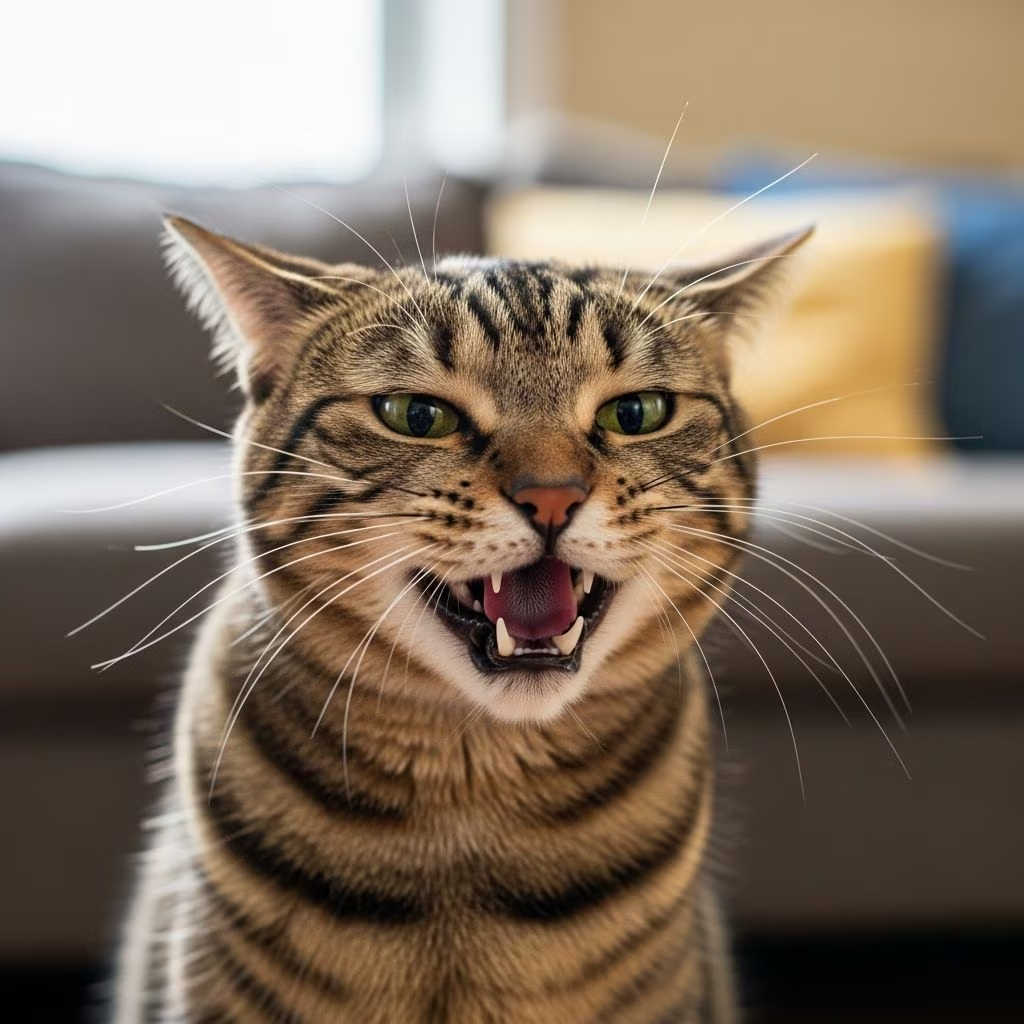
Hissing and growling are common vocalizations in cats, serving as clear signals of discomfort, fear, or warning. These sounds often emerge when strangers enter a cat’s environment, catching many owners off guard, especially during social visits. While most cats might ignore guests or seek affection, some react defensively because they feel frightened or insecure around unfamiliar people. Noises like doorbells, knocking, or children’s voices can heighten this anxiety, making the presence of a stranger the final trigger for hissing and growling.
Understanding these behaviors is crucial for cat owners. Hissing mimics a snake to intimidate potential threats, while growling is a low, rumbling warning. Both are defensive rather than aggressive, aimed at creating distance. According to veterinary insights, these reactions stem from a cat’s instinctual need for safety in their territory.
How to Stop a Cat from Hissing and Growling at Strangers
Stopping a cat from hissing and growling at strangers requires addressing their sense of security rather than punishing the behavior. Cats hiss and growl to intimidate and protect themselves, so the goal is to make them feel safe without forcing interactions. Here are proven strategies:
- Provide Escape Routes: Install cat condos or wall-mounted shelves in quiet areas. These high perches allow cats to observe strangers from afar without feeling trapped. Ensure these spots include litter boxes, food, water, and toys for complete self-sufficiency.
- Minimize Stress Triggers: Mute doorbells or use soft knocking signals. Keep children supervised to avoid sudden movements or loud noises that escalate fear.
- Gradual Desensitization: Expose your cat to strangers at a distance with positive associations, like treats tossed gently. Never force proximity; let the cat approach on their terms.
- Veterinary Check-Up: Sudden changes in behavior, like new hissing at familiar guests, may indicate pain, illness, or stress from external factors such as neighborhood cats seen through windows. A vet can rule out medical issues like infections or arthritis.
Allowing cats autonomy is key—respect their choice to retreat. Over time, consistent safe environments reduce defensive vocalizations. If aggression persists, consult a feline behaviorist.
Other Reasons Cats Hiss and Growl
Beyond strangers, cats hiss and growl for various reasons tied to their emotional and physical states. Recognizing these helps owners respond appropriately:
To Express Pain
Pain from injuries, dental issues, or illnesses like arthritis prompts hissing or growling, especially during petting or handling. Cats instinctively hide discomfort, so unprovoked vocalizations signal a vet visit is urgent. Conditions like abscesses or hyperthyroidism can contribute to aggression.
To Express Unhappiness or Frustration
New pets, scents from other animals on clothing, or environmental changes frustrate cats, leading to growls. This communicates displeasure and a need for space. Resource guarding, like growling over food bowls, is common in multi-pet homes.
To Express Aggression
Threats like loud noises, other animals, or unneutered males during breeding season trigger protective growls. Hissing wards off perceived dangers without physical confrontation. Intact males are particularly prone during mating periods.
To Protect Their Territory
Cats are territorial; spotting intruders in their yard prompts hissing, growling, and spraying. Both males and females defend spaces fiercely, especially against roaming cats.
Age-Related Issues in Senior Cats
Older cats with cognitive dysfunction (feline dementia) may hiss, growl, or howl at night due to disorientation. Nighttime wandering and vocalizing warrant veterinary evaluation for underlying neurological issues.
These behaviors are normal communication tools. Context clues—like body language (ears back, tail swishing, piloerection)—help differentiate fear from pain or irritation.
Understanding Cat Hissing and Growling in Depth
Hissing sounds like air escaping with a sharp edge, while growling is a deep throat rumble. Both are defensive: hissing signals ‘back off now,’ growling warns of escalation. Cats rarely attack after these warnings unless cornered.
Common scenarios include:
- New pets or kittens: Resident cats hiss to set boundaries.
- Dogs or other animals: Cats growl to maintain distance.
- Resource protection: Growling at food or litter areas.
- Redirected aggression: Frustration from window sights transfers to guests.
| Trigger | Behavior | Response |
|---|---|---|
| Fear of Strangers | Hiss/Growl | Provide safe space |
| Pain | Hiss when touched | Vet exam |
| Territory Intrusion | Growl/Spray | Secure environment |
| Overstimulation | Low Growl | Give space |
Frequently Asked Questions (FAQs)
Why does my cat hiss at strangers but not family?
Cats view strangers as unpredictable threats invading their territory. Familiar family scents signal safety.
Is cat growling at the door normal?
Yes, it indicates perceived intrusion from noises or scents, acting as a security alert.
What if my cat suddenly started hissing at guests?
Check for pain, illness, or new stressors like outdoor animals. Vet visit recommended.
Why do cats growl while eating?
Resource guarding protects food from competitors, common in multi-pet households.
Can senior cats hiss due to dementia?
Yes, confusion leads to nighttime vocalizing; consult a vet for cognitive dysfunction.
Should I punish my cat for hissing?
No, punishment increases fear. Focus on positive reinforcement and safety.
These FAQs address common concerns, helping owners interpret and manage behaviors effectively.
In multi-cat homes, hissing establishes hierarchy without fights. Females protect kittens fiercely, even from known cats. Unfamiliar situations amplify reactions—slow introductions mitigate this.
For dogs and cats, hissing maintains peace; dogs learn boundaries through consistent signals. Overstimulation during play (petting too long) prompts growls—watch for tail flicks or ear flattening.
Environmental enrichment like puzzle feeders reduces frustration-based aggression. Neutering curbs hormone-driven territoriality, especially in males.
Owners report success with pheromone diffusers mimicking calming scents, alongside vertical spaces. Patience yields calmer cats around visitors.
References
- Why Do Cats Hiss and Growl at Strangers? Vet-Reviewed Behavior — Catster. 2023. https://www.catster.com/cat-behavior/why-do-cats-hiss-growl-at-strangers/
- Why Do Cats Hiss? What To Know About Cat Hissing — PetMD. 2023. https://www.petmd.com/cat/behavior/cat-hissing-what-you-need-know
- Why Do Cats Growl? 5 Triggers Explained — Lady N Pet. 2023. https://ladynpet.com/us/blog/cat-growl/
- Aggression in Cats — ASPCA. 2023. https://www.aspca.org/pet-care/cat-care/common-cat-behavior-issues/aggression-cats
- Aggression in Cats — TheCatSite Forums (user discussion informed by vet advice). 2023. https://thecatsite.com/threads/cat-is-randomly-growling-and-hissing.273822/



