

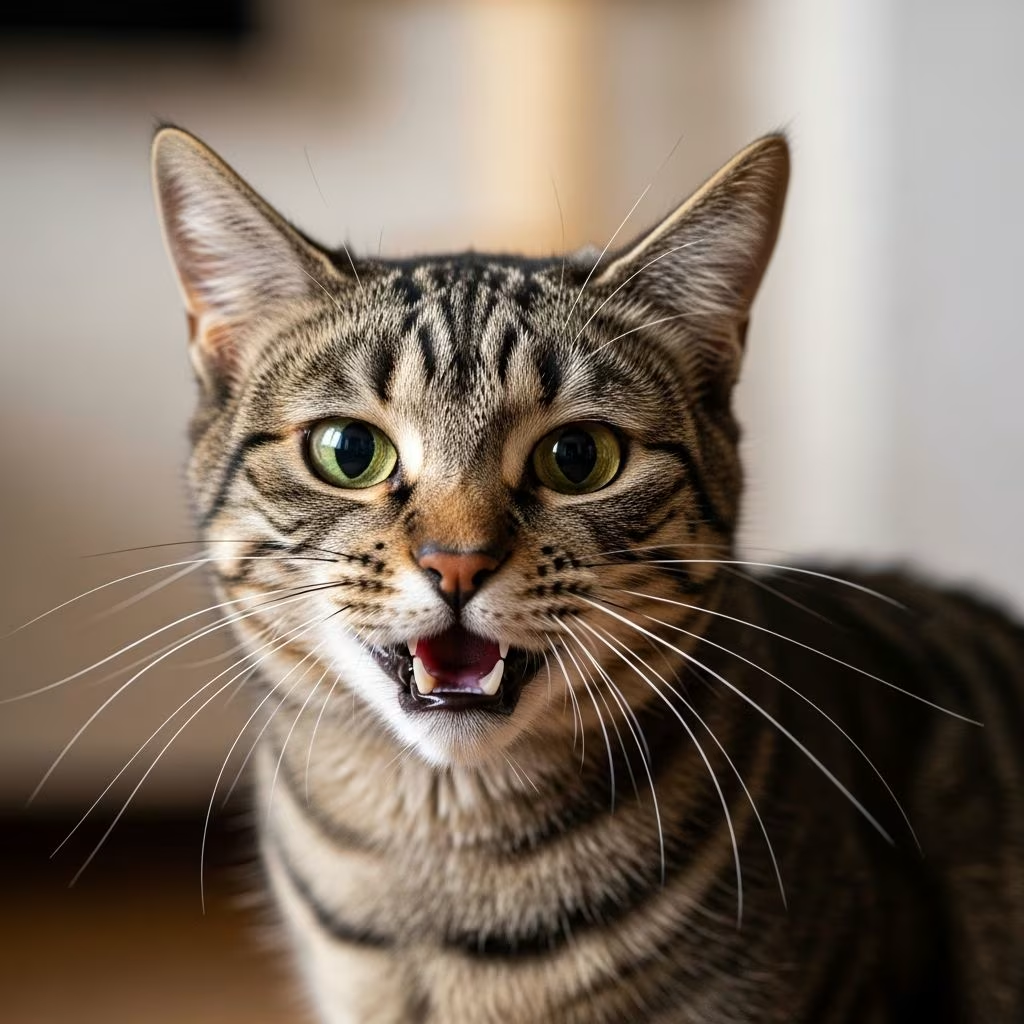
Why Do Cats Hiss? Understanding This Common Feline Behavior
Cat hissing is a normal defensive behavior that expresses discomfort, fear, or stress rather than hostility or hatred. When your cat hisses, they are communicating that they need space and feel threatened or uncomfortable about something in their environment. Understanding why cats hiss can help you better respond to your pet’s needs and strengthen your relationship with them.
What Does Cat Hissing Sound Like?
Cat hissing can vary considerably depending on the situation and the cat’s emotional state. A hiss can range from a silent, open-mouth hiss that is primarily a visual display of displeasure to an aggressive hiss accompanied by full-on spitting. The intensity and sound of the hiss often correlate with how threatened or fearful the cat feels.
When observing a hissing cat, you’ll typically notice several characteristic physical signs that accompany the vocalization:
- Mouth open with tongue curled
- Ears flattened against the head
- Back arched in a defensive posture
- Hair standing on end (piloerection)
- Puffed-up tail
- Dilated pupils
Why Do Cats Hiss? Main Reasons Explained
Hissing serves as a defensive communication tool rather than an offensive one, whether directed at other animals or humans. Cats hiss for several distinct reasons, each rooted in their emotional or physical state. Recognizing these reasons can help you address the underlying cause and prevent escalation to more aggressive behaviors.
Fear and Anxiety
One of the most common reasons cats hiss is due to fear, anxiety, or stress. This typically occurs when a cat encounters something unfamiliar, whether it’s a person, another animal, or an unfamiliar environment. When experiencing anxiety, a cat’s hiss essentially communicates: “Keep your distance. I don’t know your intentions, and you’re making me uncomfortable.” In these situations, hissing often accompanies other anxiety signals such as a raised tail, flattened ears, and hair standing on end.
Feeling Threatened
Cats hiss when they perceive a direct threat to their safety. This can include threatening interactions with people or other animals. Unlike anxiety, which is a more general sense of unease, feeling threatened means the cat believes something poses an immediate danger. The hiss serves as a warning: “Back away, or I will defend myself.”
Protection of Kittens
Mother cats are particularly protective of their litters and will hiss as their first line of defense when they sense a threat to their kittens. A mother cat may hiss at people or other animals approaching her litter, even if she was previously friendly with them. This maternal hissing is an instinctive behavior designed to warn potential threats away before physical confrontation becomes necessary.
Physical Pain or Illness
Cats may also hiss when they are experiencing physical pain or anticipating pain. This can occur when you touch a sensitive area of your cat’s body or attempt procedures like nail trimming or grooming. Additionally, cats suffering from chronic illness or pain may hiss more frequently as they become more irritable and defensive. If your cat displays new or increased hissing behavior, consult your veterinarian to rule out underlying health issues.
Stress and Displeasure
General stress and displeasure can trigger hissing in cats. Situations that commonly cause stress include vacuuming or using other loud household appliances, being placed in a carrier for travel, or having the scent of an unfamiliar dog or cat on your clothing. These situations overwhelm your cat’s senses or create uncertainty, prompting a defensive hiss.
Overstimulation During Petting
Some cats experience petting aggression and will hiss when they’ve had enough physical contact. These cats become overstimulated by extended petting or handling. Typically, they give warning signals before hissing—such as tail flicking or skin twitching—that indicate they want the interaction to stop. Respecting these signals and ceasing contact when you notice them can prevent escalation to more aggressive behaviors.
Why Do Cats Hiss at Each Other?
While hissing between cats might appear aggressive, it’s often a signal to avoid physical confrontation rather than a sign of genuine aggression. The cat that hisses is typically the one being chased, antagonized, or feeling threatened rather than the aggressor. Understanding feline-to-feline hissing helps explain cat behavior in multi-cat households.
Common Scenarios for Cat-to-Cat Hissing
- Maternal Protection: A mother cat with a litter may hiss, growl, chase, swat, or bite another cat approaching her kittens, even a cat she was previously friendly with.
- Mating-Related Aggression: Unneutered males or an unneutered male and intact female commonly hiss when seeking mates, as hormones elevate territorial and competitive instincts.
- Territorial Defense: Cats hiss to protect their territory, especially when a new cat is introduced into their environment.
- Dominance Display: When a new cat enters the household, established cats may hiss to assert dominance and establish hierarchy.
- Pain Response: Cats hiss at other cats to redirect aggression or when they anticipate pain from interaction.
Why Does My Cat Hiss at Me?
When your cat directs hissing toward you, it’s essential to recognize that this is not a sign of hatred but rather a communication of discomfort or distress. Your cat is attempting to set a boundary and create distance between themselves and you. Several specific situations can trigger hissing directed at owners:
- Attempting to trim nails or groom your cat
- Putting your cat into a carrier for veterinary visits or travel
- Having the scent of an unfamiliar dog or cat on your clothing
- Operating vacuum cleaners or other loud appliances
- Touching areas where your cat is experiencing pain
- Petting your cat in a way they find uncomfortable or overstimulating
Understanding Cat Body Language with Hissing
To fully understand what your cat is communicating through hissing, observe their complete body language, not just the vocalization. A frightened cat will typically appear crouched with ears pinned back, dilated pupils, and a defensive posture. An annoyed cat might display tail flicking or stiff body movements. A stressed cat may show signs of wanting to escape, such as backing away or attempting to leave the situation.
This comprehensive body language communication helps distinguish between different types of hissing and allows you to respond appropriately to your cat’s emotional state.
What Should You Do If Your Cat Is Hissing?
The appropriate response to cat hissing depends on understanding the underlying cause. Here are general guidelines for managing hissing behavior:
- Give Your Cat Space: Respect your cat’s boundaries and allow them distance from whatever is causing distress.
- Avoid Punishment: Never punish a hissing cat, as this increases fear and stress, potentially making behavior worse.
- Identify the Trigger: Determine what caused the hissing so you can modify the environment or your approach.
- Move Slowly: Approach a hissing cat calmly and deliberately to avoid further frightening them.
- Consult Your Veterinarian: If hissing is new behavior or occurring frequently, rule out pain or illness.
- Reduce Stressors: Minimize exposure to situations that trigger anxiety or stress in your cat.
- Use Positive Reinforcement: Reward calm behavior with treats and affection to create positive associations.
Hissing in Multi-Cat Households
When introducing a new cat to your household, expect hissing from both the resident cat and the newcomer. This is a normal part of the adjustment process as cats establish their relationship and boundaries. Allow cats time to acclimate to each other rather than forcing interaction. Continue providing separate resources like litter boxes, food bowls, and resting areas until they become comfortable cohabiting. Hissing typically decreases as cats become familiar with each other and establish their social structure.
When to Seek Veterinary Help
Contact your veterinarian if:
- Hissing is a new behavior in your cat
- Your cat hisses frequently or constantly
- Hissing accompanies other signs of illness or pain
- You suspect your cat is in pain or uncomfortable
- Your cat’s behavior has changed dramatically
- Hissing escalates to aggressive behavior like biting or scratching
Chronic illness causing constant pain can lead to frequent hissing as your cat becomes more irritable and defensive. A veterinary examination can identify underlying health issues and help you develop strategies to keep your cat more comfortable.
Frequently Asked Questions About Cat Hissing
Q: Does hissing mean my cat hates me?
A: No. Hissing is an instinctive response to something bothering your cat—either emotionally or physically—not a sign of hatred. Your cat is communicating discomfort and asking for space.
Q: Is cat hissing aggressive behavior?
A: Hissing is more defensive than offensive. It serves as a warning to avoid conflict rather than an indication of aggression. The hiss gives the other party a chance to back away before physical confrontation occurs.
Q: Why does my cat hiss when I pet her?
A: Your cat may hiss during petting if she’s being overstimulated or if you’re touching a sensitive area causing pain. Pay attention to her body language signals before the hissing starts, and stop petting when you notice signs of discomfort.
Q: Should I punish my cat for hissing?
A: Never punish a hissing cat. Punishment increases fear and stress, potentially worsening the behavior. Instead, identify the trigger and remove your cat from the situation.
Q: How long does it take for cats to stop hissing at each other?
A: The timeline varies depending on the cats’ personalities and prior experiences. Some cats adjust within days or weeks, while others may take several months. Patience and proper introductions help accelerate the process.
Q: Can excessive hissing indicate a health problem?
A: Yes. If your cat suddenly begins hissing frequently or excessively, this can indicate pain, illness, or increased anxiety. Consult your veterinarian to rule out underlying health issues.
Q: What’s the difference between hissing and growling in cats?
A: While both are defensive vocalizations, hissing typically indicates fear or a desire to avoid confrontation, whereas growling often signals a more serious warning. Both warrant giving your cat space.
References
- Why Do Cats Hiss? What To Know About Cat Hissing — PetMD. 2024. https://www.petmd.com/cat/behavior/cat-hissing-what-you-need-know
- Hissing Isn’t Hating: Why Cats REALLY Hiss — Sparkle Cat. https://www.sparklecat.com/diary/hissing-isnt-hating-why-cats-really-hiss
- My Cat is Hissing: What Does it Mean? — Bottletree Animal Hospital. https://bottletreeanimalhospital.com/blog/cat-is-hissing/
- Why Do Cats Hiss? 6 Reasons Behind the Behaviour — Purina UK. https://www.purina.co.uk/articles/cats/behaviour/understanding-cats/why-do-cats-hiss



