

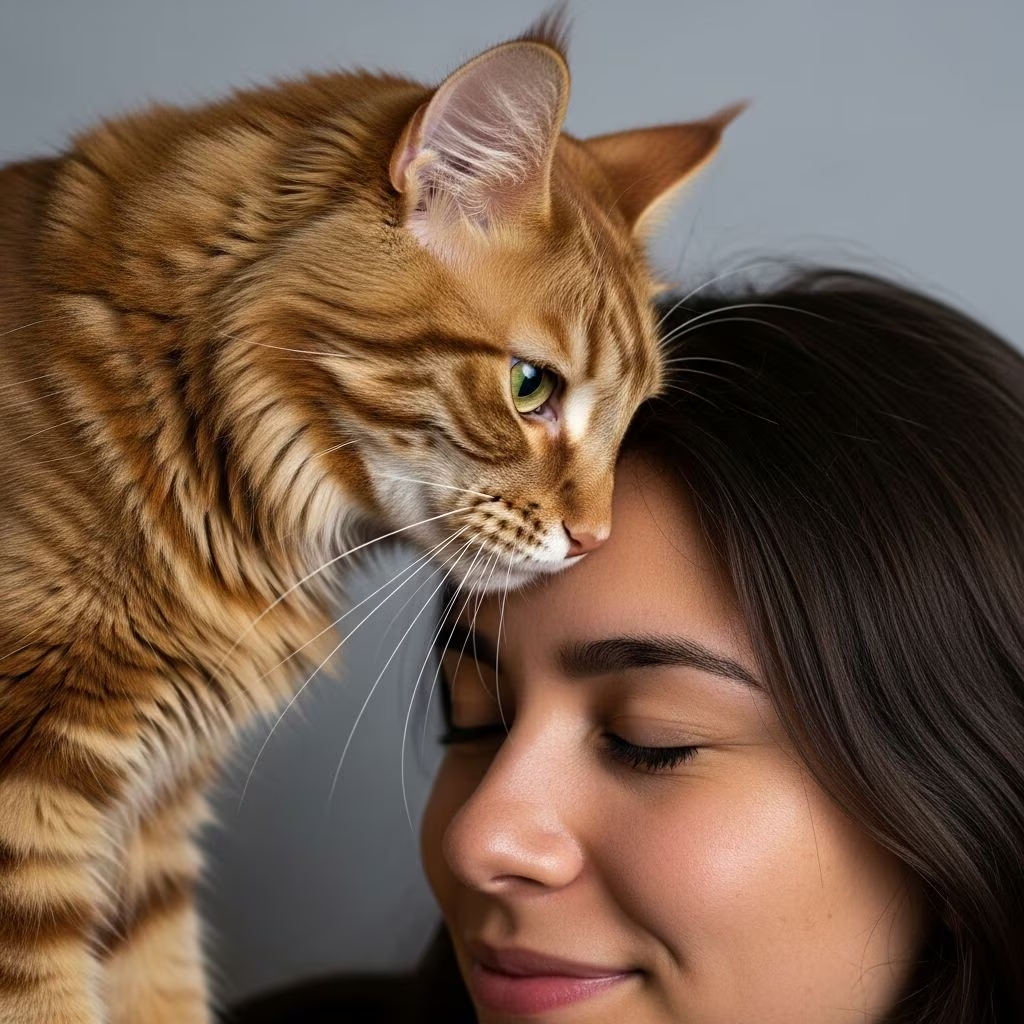
Cats headbutting, also known as bunting, is a common and endearing behaviour where felines gently bump their heads against people, other cats, or objects. This action primarily serves to deposit pheromones from scent glands located on their cheeks, forehead, and chin, marking territory, expressing affection, and building social bonds.
What is Cat Headbutting?
Cat headbutting involves a cat pressing or bumping its head against a person, another animal, or an inanimate object, often followed by cheek rubbing. This behaviour, termed ‘bunting’ or ‘head bonking,’ is instinctual and stems from wild cat colony dynamics where it helped create communal scents for safety and group identification.
Unlike aggressive actions, headbutting is gentle and deliberate. Cats possess specialized sebaceous glands that secrete pheromones—chemical signals undetectable to humans but vital for feline communication. These pheromones convey messages of familiarity, safety, and ownership.
Why Do Cats Headbutt?
Cats engage in headbutting for several interconnected reasons rooted in their biology and social nature:
- Affection and bonding: Headbutting is a cat’s equivalent of a hug or kiss, demonstrating love and emotional connection. It’s a vulnerable act reserved for trusted individuals.
- Scent marking: By rubbing scent glands, cats claim you as part of their ‘colony,’ creating a shared group scent that promotes security.
- Greetings: A quick headbutt often means ‘hello,’ especially upon returning home or waking up.
- Seeking attention: Cats may headbutt legs, hands, or even phones to solicit pets, play, or food.
- Territorial reassurance: Marking familiarizes environments and people, reducing stress by confirming ‘safe zones.’
- Self-soothing: The physical pressure and pheromone release can calm anxious cats.
Studies on feline pheromones, such as those referenced in veterinary behaviour resources, confirm that these actions enhance well-being and social harmony in multi-cat households or with owners.
Reasons Cats Headbutt Their Owners
When directed at humans, headbutting signifies deep trust. Your cat views you as family, using pheromones to integrate your scent with theirs. This is particularly common from confident, outgoing cats or the ‘alpha’ in multi-pet homes.
Personality influences frequency: Bold cats bunt more assertively, while shy ones may take time to warm up, especially post-adoption. Respond positively by petting the head or cheeks to reciprocate the bonding.
Headbutting Between Cats
Inter-cat headbutting strengthens group bonds. Cats in harmonious households bump heads to mix scents, signaling alliance rather than dominance. This mirrors feral colony behaviour for collective territory defence.
In new introductions, initial headbutting indicates acceptance. Watch body language: relaxed ears and tails mean friendship; hissing suggests tension requiring gradual socialization.
Why Do Cats Headbutt Objects?
Cats headbutt furniture, walls, or doors to map and reinforce safe territories. This spreads pheromones, creating a comforting ‘home scent’ that reduces anxiety during changes like moves or visitors.
- Furniture and corners: Common spots for cheek rubs to delineate boundaries.
- New items: Marking unfamiliar objects integrates them into the cat’s world.
- Visitors: Cautious investigation via headbutts shows tentative approval.
Cat Headbutting vs Nuzzling vs Head Pressing
Not all head contact is equal. Distinguish these for health insights:
| Behaviour | Description | Meaning |
|---|---|---|
| Headbutting/Bunting | Gentle forehead bump + cheek rub | Affection, marking, greeting |
| Nuzzling | Slow, soft face rubbing, often with gentle bites | Intimate affection, common in kittens |
| Head Pressing | Firm, persistent press against walls/objects while awake | Medical emergency: headaches, toxins, neurological issues |
Body language cues: Relaxed posture during bunting vs. stiffness or disorientation in pressing. Consult a vet immediately for the latter.
Should You Worry if Your Cat Headbutts?
Normal headbutting is positive, but context matters:
- Sudden increase: Could signal stress; check for changes like new pets or routines.
- Excessive or frantic: Might indicate compulsion or anxiety; pheromone diffusers can help.
- No headbutting: Not concerning—some cats express affection via purring or slow blinks. Build trust patiently.
Breeds like Maine Coons or Siamese may bunt more due to sociable traits, but individual personality trumps breed.
How Should You React When Cats Headbutt?
Encourage bonding:
- Pet the exact spots (cheeks, forehead) they rubbed.
- Speak softly and offer playtime.
- Avoid pushing away—it erodes trust.
- For multi-cat homes, ensure equal attention to prevent jealousy.
Reciprocate with your scent subtly, like offering a worn shirt, to deepen the colony scent.
Frequently Asked Questions (FAQs)
Is cat headbutting a sign of affection?
Yes, headbutting primarily shows love and trust, as cats mark trusted companions with comforting pheromones.
Why does my cat headbutt me then bite?
This combines affection (headbutt) with playful mouthing or over-stimulation. Redirect to toys if bites intensify.
What if my cat suddenly stopped headbutting?
It may indicate stress or health issues. Monitor behaviour and consult a vet if accompanied by lethargy or appetite loss.
Do all cats headbutt?
No, frequency varies by personality and environment. Shy or feral cats may rarely bunt until fully secure.
Is headbutting the same as rubbing against legs?
Similar—leg rubbing uses flank glands for broader marking, while headbutting targets faces for intimate bonds.
Conclusion
Cat headbutting is a heartfelt gesture of affection, trust, and territorial comfort. By understanding and responding appropriately, you strengthen your bond with your feline companion. Observe context and body language to distinguish joy from potential concerns, ensuring a happy, harmonious home.
References
- Why Does My Cat Headbutt Me? — Purina. 2023-10-15. https://www.purina.com/articles/cat/behavior/understanding-cats/why-does-my-cat-headbutt-me
- Why Do Cats Headbutt? | Cat Bunting — The Rescue Vets. 2024-05-20. https://therescuevets.com/education-resources/cat-care-tips/why-cats-headbutt/
- A Kitty’s Point of View: Why Does My Cat Headbutt? — FELIWAY UK. 2023-08-10. https://www.feliway.co.uk/blogs/news/a-kittys-point-of-view-why-does-my-cat-headbutt
- What is HEAD BONK? Cat Head Butting | Cat Daddy Dictionary — Jackson Galaxy (YouTube). 2021-08-21. https://www.youtube.com/watch?v=WIO_CN0HXGI



