

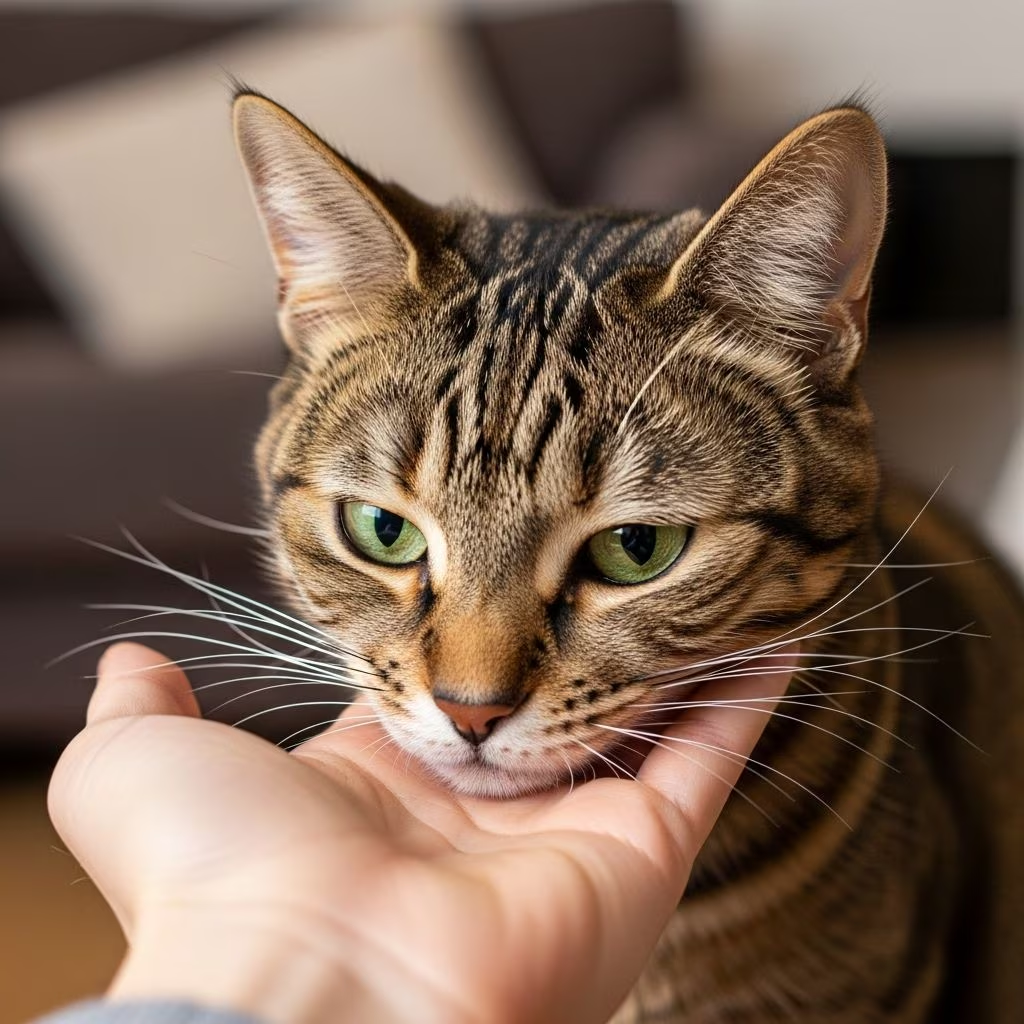
Cat headbutting, also known as **cat bunting**, is one of the most endearing behaviors feline owners witness. When your cat rubs its head against you, it’s not just seeking attention—it’s a complex form of communication rooted in instinct and emotion. This article delves into the reasons behind this behavior, distinguishing it from concerning signs like head pressing, and offers tips to encourage healthy interactions.
What Is Cat Headbutting (Bunting)?
Cat headbutting involves a cat rubbing its head, cheeks, or forehead against people, other cats, or objects. This action deploys pheromones from specialized scent glands located on the cat’s face—specifically around the cheeks, forehead, temples, and near the ears. These invisible chemical signals communicate ownership, safety, and affiliation to other cats, as humans cannot detect them.
Unlike aggressive butting, bunting is gentle and often accompanied by purring, slow blinks, or tail elevation, signaling relaxation and trust. Studies on shelter cats show that frequent rubbers against humans get adopted faster, highlighting bunting as a positive social cue.
Why Do Cats Headbutt? 7 Key Reasons
Cats headbutt for multiple interconnected reasons, blending survival instincts from their wild ancestors with domesticated social needs. Here’s a breakdown:
- Affection and Bonding: Headbutting is a cat’s ultimate compliment, akin to a hug. By marking you with their scent, they include you in their ‘colony,’ fostering emotional ties. This mirrors how feral cats mix scents in groups for unity.
- Territory Marking: Cats claim ‘safe zones’ by depositing pheromones on furniture, walls, or you. This positive marking differs from urine spraying, which signals conflict.
- Creating Colony Scent: In multi-cat homes, headbutts blend individual scents into a group aroma, reinforcing social harmony and reducing tension.
- Self-Soothing: Solitary rubbing releases calming pheromones, helping cats regulate stress, much like kneading. Observe purring during these moments for confirmation.
- Seeking Attention: A headbutt to your hand or leg often requests pets, especially under the chin where glands are concentrated. Positive reinforcement increases this behavior.
- Greeting and Familiarity: Upon your return, cats headbutt to re-familiarize with your scent, confirming you’re still ‘family.’
- Investigation: New people or objects prompt cautious bunting to gather scent intel safely.
Headbutting Humans vs. Objects vs. Other Cats
The context of headbutting reveals nuanced intentions:
| Target | Primary Reason | Body Language |
|---|---|---|
| Humans | Affection, attention, bonding | Purring, rubbing legs, slow blinks |
| Objects (furniture, trees) | Territory marking, self-soothing | Relaxed flop, repetitive rubs |
| Other Cats | Colony scent mixing, greeting | Tail up, mutual rubbing |
Headbutting humans signifies deep trust—you’re not prey or threat but kin. Object rubbing personalizes the environment, while cat-to-cat bunting builds alliances.
Is Headbutting Always a Good Sign?
Typically yes, but excess or aggression warrants observation. Triggers include stress from changes (new pets, moves), learned rewards, or unmet needs like playtime. Provide vertical spaces, routines, and toys to mitigate.
Red Flags: Differentiate from **head pressing**—pressing head against walls persistently without rubbing. This signals medical emergencies like tumors, infections, toxins, liver issues, or strokes. Seek vet care immediately if seen with lethargy or appetite loss.
How to Encourage Positive Headbutting
- Respond with gentle chin scratches to reinforce bonding.
- Use synthetic pheromone diffusers for anxious cats.
- Offer scratch posts and cat trees for safe marking.
- Engage in daily play to fulfill instincts.
- Avoid punishment; it erodes trust.
FAQs
Why does my cat headbutt me in the morning?
Morning headbutts often greet you and request breakfast or pets, combining affection with practical needs.
Do all cats headbutt?
No—personality, socialization, and past experiences influence it. Shy cats may rarely bunt.
What if my cat suddenly stops headbutting?
Possible stress, illness, or depression. Monitor and consult a vet if persistent.
Is headbutting the same as kneading?
No—kneading uses paws for comfort; headbutting uses facial glands for scenting.
Can kittens headbutt?
Yes, from litter socialization, teaching bonding early.
Expert Insights on Feline Scent Communication
Veterinarians emphasize pheromones’ role: facial ones soothe, while others signal alarm. Synthetic analogs like Feliway mimic bunting for anxiety relief. Research confirms bunting accelerates adoptions, proving its appeal.
In multi-cat dynamics, mismatched scents spark fights; bunting prevents this by unifying odors. For singles, you’re the colony—honor it!
References
- Why Do Cats Headbutt? | Cat Bunting — The Rescue Vets. 2023. https://therescuevets.com/education-resources/cat-care-tips/why-cats-headbutt/
- Why Does My Cat Headbutt Me? There’s Some Science Behind This — Scary Mommy. 2023. https://www.scarymommy.com/lifestyle/why-does-my-cat-headbutt-me
- Why Does My Cat Headbutt Me? — PetMD. 2024-01-14. https://www.petmd.com/cat/behavior/why-does-my-cat-headbutt-me
- A Kitty’s Point of View: Why Does My Cat Headbutt? — FELIWAY. 2023. https://www.feliway.co.uk/blogs/news/a-kittys-point-of-view-why-does-my-cat-headbutt



