

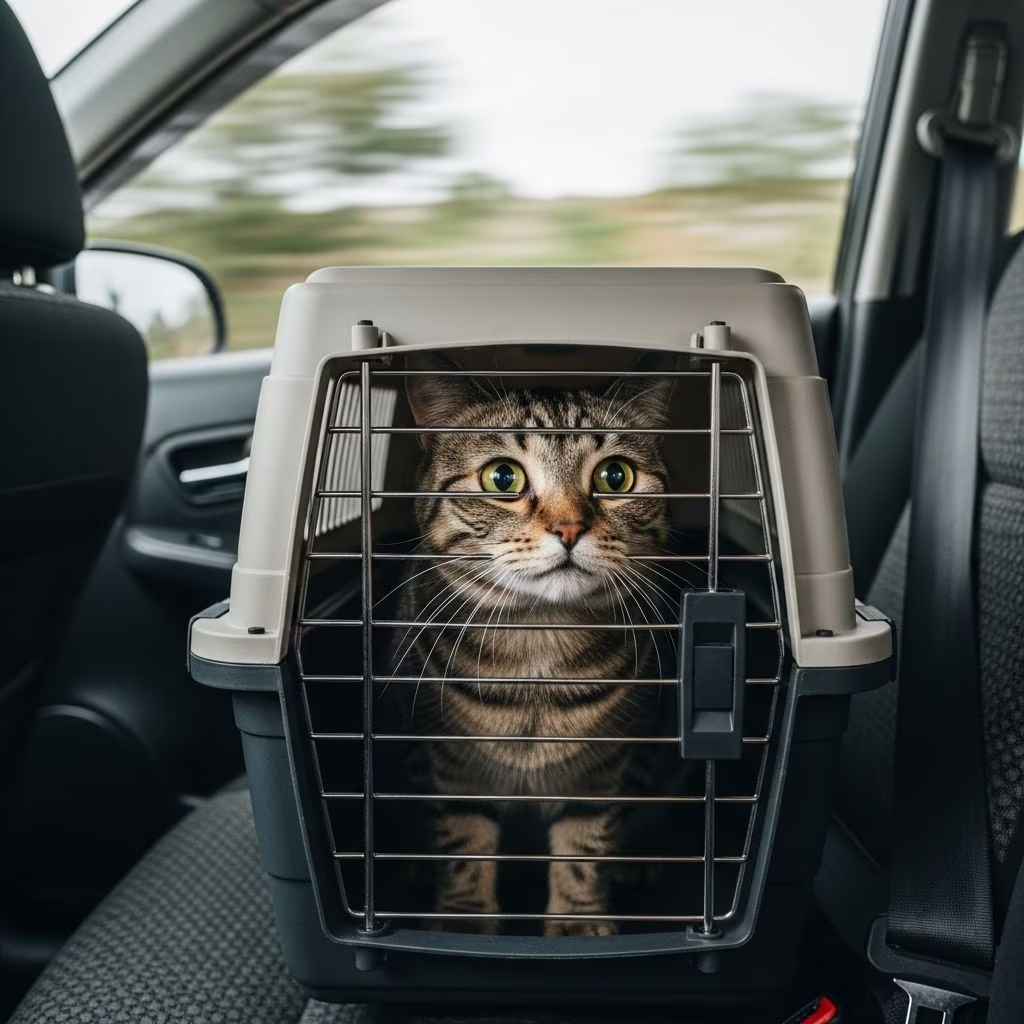
Why Do Cats Hate Car Rides? Understanding Feline Travel Anxiety
Unlike their canine counterparts who eagerly anticipate car trips to parks and training classes, most cats view vehicle travel with dread and anxiety. This negative response isn’t a personality flaw—it’s rooted in cat behavior, learning history, and sensory sensitivity. Understanding the reasons behind your cat’s car aversion is the first step toward helping them feel more comfortable during necessary trips to the veterinarian, groomer, or boarding facility.
Cats are creatures of habit who thrive in predictable, controlled environments. The car represents the opposite: unpredictability, unfamiliar sensations, and often an unpleasant destination. By recognizing what triggers your cat’s anxiety, you can implement targeted strategies to make car rides less stressful for both you and your feline companion.
The Primary Reasons Cats Dislike Car Rides
Negative Association With Destinations
One of the most significant factors contributing to cat car anxiety is their learned association between car rides and unpleasant experiences. Cats quickly learn that car rides routinely end in unfamiliar and potentially scary places, such as the veterinary office, grooming salon, or boarding kennel. In contrast to puppies and dogs that routinely travel by car to fun places such as parks and training classes, most cats do not have a positive learning history associated with travel. Without the chance to have pleasant experiences linked with traveling, it’s hard for cats to develop a positive outlook about the carrier and the car.
This creates a vicious cycle: your cat associates the car with stress, so they resist entering the carrier, which reinforces their anxiety about the entire travel experience.
Loss of Territory and Control
Cats are territorial animals who find comfort in familiar environments. Their ideal day typically includes eating breakfast, finding a sunny window to nap in, and enjoying the safety of their home territory. When placed in a car, cats lose control over their environment and are separated from their safe space. This loss of autonomy and familiar surroundings triggers an instinctive stress response.
Unfamiliar Sensory Stimuli
Car rides bombard cats with multiple unfamiliar sensory experiences simultaneously, which can be overwhelming for animals with highly sensitive perceptions.
Motion and Physical Sensation
The movement of the vehicle—acceleration, braking, and turning—creates physical sensations that cats don’t experience in their normal environment. Some cats may be prone to motion sickness, which can be partly due to anxiety itself. The combination of motion and confined space can intensify fear and discomfort.
Unfamiliar Scents
The car interior carries scents completely foreign to your cat, with no familiar odors to provide reassurance. Without their own scent markers present, cats feel displaced and anxious. This is why including familiar bedding and using feline facial pheromones can be so effective in reducing stress.
Unfamiliar Noises
Horns honking, engine noise, and sounds of passing vehicles are part of the car travel experience that can startle and frighten sensitive feline ears. Cats have more sensitive hearing than humans and can be disturbed by auditory stimuli that we might consider normal.
Unfamiliar Sights
Flashing lights and large vehicles going by your car can startle and frighten your cat. The constantly changing visual environment through windows can trigger a stress response, especially if your cat isn’t accustomed to seeing the world move by at high speed.
The Carrier: A Source of Stress
Before your cat even gets in the car, the carrier itself can be a significant source of anxiety. Can you imagine being awoken from your afternoon nap by someone grabbing you and then cramming you into an unfamiliar box while you are kicking and screaming? Well, that might describe how your cat feels when you place them in a carrier to take them to the vet. It’s easy to see why cats might hate going in a carrier.
Many cats don’t have positive associations with their carriers because carriers are typically only used when an unpleasant experience is imminent. The carrier becomes a symbol of impending stress rather than a safe space. Additionally, being confined in a small space while experiencing motion and unfamiliar sensations intensifies your cat’s anxiety response.
How to Help Your Cat Cope With Car Stress
Get Your Cat Acclimated to the Carrier Before the Trip
The foundation of successful car travel is building a positive relationship with the carrier. Before attempting any car rides, spend time helping your cat see the carrier as a safe, comfortable space rather than a threat.
- Leave the carrier out in your home with the door open, allowing your cat to explore it at their own pace
- Place treats and toys inside to create positive associations
- If your cat is already fearful of a specific type of carrier, consider purchasing a new style. For example, if your cat avoids or hides from a plastic, hard-sided carrier, choose a soft mesh carrier or convertible bed for positive training
- Use clicker training if your cat is already trained to respond to clickers—the sound can trigger positive emotions and help your cat associate the carrier with rewards
Include Familiar Comforts in the Carrier
Your cat’s own scent is incredibly reassuring. Include your cat’s familiar bedding in her carrier to offset the unfamiliar smells of the car with the reassurance of her own, individual scent. Additionally, spraying the carrier with feline facial pheromones (such as Feliway Classic or Comfort Zone Calming products) sends a message of security and territory to the traveling cat. Make sure to spray the carrier 15-20 minutes before your cat enters it so that the alcohol in the spray dissipates.
Minimize Sensory Overload
Once your cat is in the car, reducing sensory stressors can significantly improve their comfort level.
- Cover the carrier: Consider covering your cat’s carrier to shield them from unfamiliar sights and create a den-like environment that feels safer
- Control noise: Keep the car environment as quiet as possible, or play soothing music consistently if you plan to use music during rides
- Maintain stable placement: Ensure the carrier is placed in a secure and stable location, away from sudden movements and loud noises
- Smooth driving: Avoid abrupt acceleration, braking, and sharp turns, which can increase your cat’s anxiety
Practice Short, Positive Car Rides
Practice makes perfect when it comes to acclimating your cat to car travel. The most important thing is to provide many car trips to pleasant locations (including short drives around the neighborhood and back to the safety of home). Try for at least 10 positive car trips for every one that might be to a slightly scary destination.
Start with these progressive steps:
- Have your cat enter their carrier and reward with a treat
- Carry the carrier to the car and place it inside, then return to the house after a few minutes (reward with treats)
- Place the carrier in the car, start the engine, and let it idle for a few minutes (reward after)
- Take a very short drive around the block
- Return home, turn off the car, and reward your cat generously
- Gradually increase drive duration and distance
- Occasionally drive to pleasant destinations (like a nearby park where your cat can enjoy time in a backpack or stroller)
Every so often, take your cat for a spin around the block or to a park nearby if they will ride in a backpack or stroller. Try to allow positive experiences where the car drive does not end up at the vet.
Recognize and Respond to Stress Signals
Understanding your cat’s stress signals during car rides allows you to respond appropriately and adjust conditions. Watch for these behavioral indicators:
- Vocalization changes: Excessive meowing, persistent yowling, or hissing indicate distress
- Body language: Flattened ears against the head, a tail tucked tightly between the legs, and tense, hunched posture often indicate fear or anxiety
- Dilated pupils: Even in normal lighting, dilated pupils can signal stress
- Pressing low: If your cat presses themselves low to the bottom of their carrier and keeps their eyes wide, they are feeling vulnerable
Safety Considerations
For safety, cats riding in a car should always be in a safe carrier—they should never be free to roam around while the car is being driven. It is not safe to have your cat roaming freely in your vehicle while you are driving. Your cat could become frightened and dart under the brake pedal or accelerator, possibly causing an accident. In addition, having a cat jumping around the vehicle is a dangerous distraction.
When to Seek Professional Help
If you’ve tried all of these training techniques and your cat still goes crazy whenever they go for a ride in the car, don’t hesitate to seek professional help. Ask your veterinarian if a sedative might be helpful for your cat before car rides. Some cats benefit from anti-anxiety medications like gabapentin given before travel. Additionally, ask your veterinarian if they make house calls, which can eliminate the need for stressful car trips to the clinic.
Is It Ever Too Late to Train Your Cat?
You might wonder if your adult cat can learn to tolerate or even enjoy car travel. The best time to teach cats to travel happily in the car is when they are very young—ideally during their primary period of sensitivity, up to 7 weeks of age; however, most kittens are not adopted at such a young age. But don’t worry—it is never too late to start. Adult cats can absolutely learn to become more comfortable with car travel through consistent, patient training and positive reinforcement.
Once your cat is traveling well, continue to take weekly drives to pleasant destinations in order to maintain that level of comfort. This ongoing practice prevents regression and helps your cat maintain their improved relationship with car travel.
Frequently Asked Questions
Q: Why does my cat drool in the car?
A: Drooling in cats can indicate stress, anxiety, or motion sickness during car rides. This is a stress response and may decrease as your cat becomes more accustomed to travel through gradual exposure and training.
Q: Can I give my cat something to calm them before a car ride?
A: Yes, consult your veterinarian about anti-anxiety medications or sedatives before car trips. Common options include gabapentin, which can reduce anxiety and make travel more tolerable for stressed cats.
Q: How long does it take to train a cat to enjoy car rides?
A: The timeline varies by individual cat. Some cats may show improvement within a few weeks of consistent training, while others may take several months. Patience and consistency are essential.
Q: Should I ever let my cat ride without a carrier?
A: No. For safety reasons, cats should always be secured in a carrier during car rides. Loose cats can become frightened and create dangerous driving situations.
Q: What if my cat is already terrified of the carrier?
A: Try switching to a different carrier style. If your cat is fearful of a hard plastic carrier, attempt training with a soft mesh carrier or convertible bed-style carrier instead. Sometimes a fresh start with new equipment helps reset negative associations.
Q: Can I use regular car seats for my cat?
A: No, cats must be secured in proper pet carriers for safety. Regular car seats don’t provide the containment and protection needed if you stop suddenly or are in an accident.
References
- Cat Behavior and Training – Crate Training and Travel — VCA Hospitals. Accessed January 14, 2026. https://vcahospitals.com/know-your-pet/cat-behavior-and-training-crate-training-and-travel
- Vet Visit: Help Your Cat Cope with the Stress of the Car Ride — Feline Perspective. Accessed January 14, 2026. https://www.felinepurrspective.com/the-vet-visit-help-your-cat-cope-with-the-stress-of-the-car-ride/
- Reducing Cat Stress during Car Rides — Pet Health Network. Accessed January 14, 2026. https://www.pethealthnetwork.com/cat-health/my-cats-veterinarian/reducing-cat-stress-during-car-rides
- How to Understand Your Cat’s Travel Behavior (5 Key Signs) — Juli Bees. Accessed January 14, 2026. https://julibees.com/en-us/blogs/cat-owners-must-know-2023/how-to-understand-your-cats-travel-behavior-5-key-signs



