

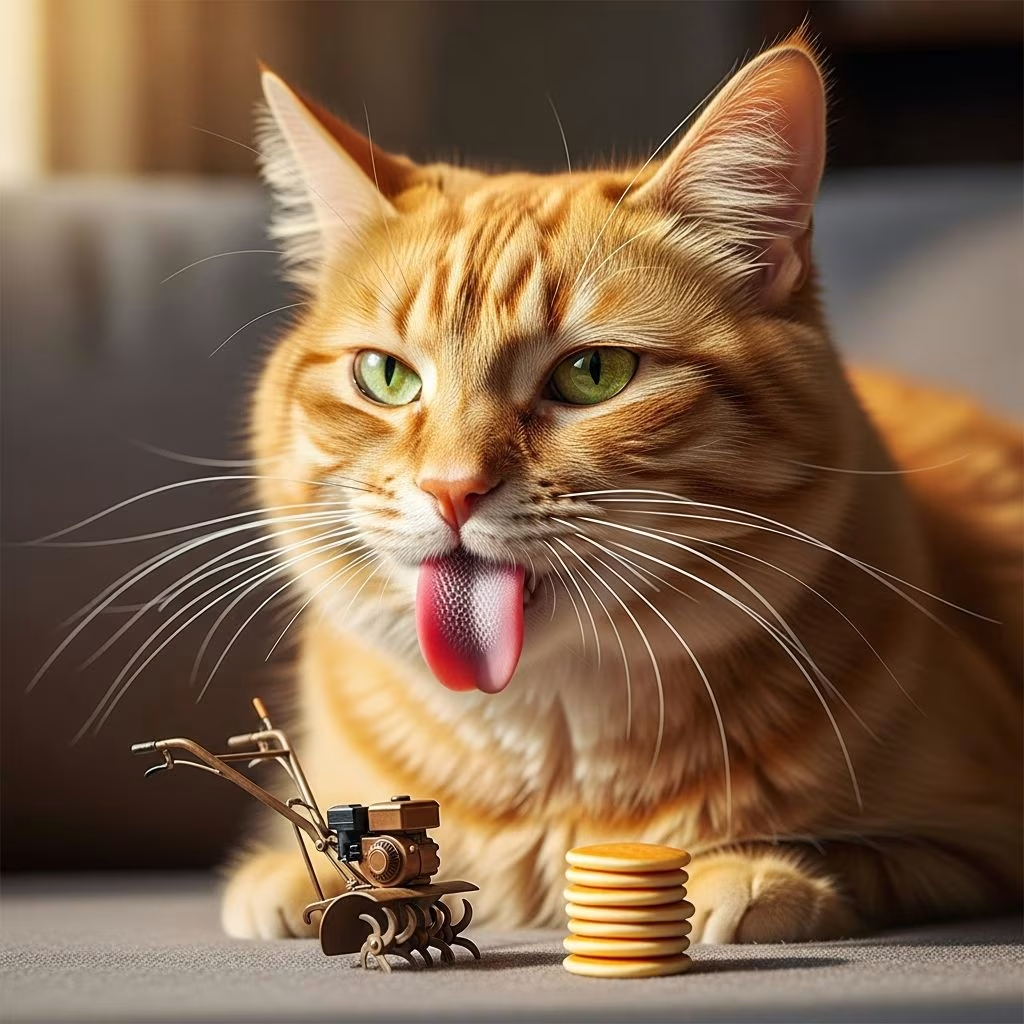
Cat owners often observe their feline friends engaged in meticulous grooming sessions, but when cats like Pancake and Tiller turn this into a shared ritual, it sparks curiosity. These two cats exemplify typical feline behaviors, spending up to 50% of their day licking themselves or each other. Grooming isn’t just about cleanliness; it’s a multifaceted activity rooted in instinct, health maintenance, and social dynamics.
In this article, we’ll dive into the world of cat grooming, using Pancake and Tiller as our charming guides. From self-grooming techniques to mutual licking (allogrooming), we’ll cover the reasons, benefits, and when to worry about overdoing it. Understanding these habits helps owners foster healthier, happier cats.
What Is Cat Grooming and Why Do Cats Do It?
Cats are grooming machines by nature. Kittens learn from their mothers, who lick to clean, stimulate bodily functions, and bond. By four weeks, they groom themselves, a habit persisting into adulthood. Cats dedicate 30-50% of their waking hours to this, making it one of their primary activities.
Pancake and Tiller demonstrate this perfectly. Pancake might lick her paws methodically, while Tiller chews on his flanks. Their rough tongues act like combs, equipped with papillae—tiny, backward-facing spines—that remove dirt, loose fur, and parasites. Forepaws stimulate oil glands on the head, spreading natural “perfume” across the body for a glossy coat.
- Hygiene: Removes debris, distributes sebum for waterproofing and shine.
- Temperature Regulation: Saliva evaporation cools the body, as cats sweat only through paws.
- Circulation and Skin Health: Stimulates blood flow and prevents mats.
- Parasite Control: Eliminates fleas and soothes allergies.
Grooming also prevents hairballs by expelling ingested fur, though excessive can lead to issues. For Pancake and Tiller, these sessions keep their coats pristine and bodies balanced.
The Anatomy of a Cat’s Grooming Tools
Cats are ingeniously built for self-maintenance. Their flexibility allows access to nearly every body part, from tail tip to ear base.
| Grooming Tool | Function |
|---|---|
| Rough Tongue | Scrapes off dirt, loosens dead hair; papillae like Velcro. |
| Sharp Teeth | Comb through fur, nibble tangles. |
| Comb-Like Paws | Wipe face, stimulate oil glands. |
| Oil Glands | Produce sebum for conditioning. |
Pancake uses her paws to “wash” her face, mimicking human handwashing. Tiller’s tongue efficiently detangles his thicker fur. This toolkit evolved for survival in the wild, now a daily luxury indoors.
Why Do Cats Groom Each Other? Allogrooming Explained
When Pancake licks Tiller’s head or vice versa, it’s allogrooming—a social behavior starting in kittenhood. Not all cats do this, but in bonded pairs like these, it’s common and positive.
Affection and Bonding: Licking shows trust and friendship, releasing endorphins for feel-good vibes. Dr. Sabrina Kong notes it’s like a feline hug, signaling safety.
Scent Sharing: Cats mix scents to mark each other as family, reinforcing group identity. Pancake and Tiller’s combined aroma declares them a unit.
Hygiene Assistance: Hard-to-reach spots get cleaned; dominant cats may groom subordinates.
Stress Relief: Mutual grooming calms anxiety, especially in multi-cat homes.
Social Hierarchy: Higher-ranking cats often initiate, asserting position. If Tiller grooms Pancake more, he might be the “boss.”
Self-Grooming vs. Mutual Grooming: Key Differences
Self-grooming focuses on personal hygiene and comfort, while allogrooming builds relationships.
- Self-Grooming: Solitary, for cleanliness, cooling, oil distribution. Displacement during stress.
- Mutual Grooming: Social, targets head/neck (vulnerable areas), shows affection.
Pancake self-grooms post-meal; with Tiller, it’s cuddly neck-licking. Both are normal unless excessive.
Signs of Excessive Grooming in Cats Like Pancake and Tiller
While grooming is healthy, overdoing it signals trouble. Cats lick 30-50% of the day normally, but watch for bald spots, raw skin, or constant chewing.
Causes:
- Medical: Allergies, parasites, infections, pain.
- Stress: Changes like new pets trigger compulsive licking.
- Behavioral: Anxiety disorders from early life.
If Pancake develops a bald flank or Tiller licks his belly raw, vet check needed. Saliva can infect wounds, worsening issues. Early intervention prevents hair loss or lesions.
Health Benefits and Risks of Grooming
Benefits:
- Shiny, parasite-free coat.
- Stress reduction via endorphins.
- Bonding in households.
Risks: Overgrooming leads to acral lick dermatitis; hairballs from ingestion. In allogrooming, overstimulation can spark play-fights.
How to Encourage Healthy Grooming Habits
Support Pancake and Tiller’s routines:
- Provide scratching posts to shed loose fur.
- Use grooming brushes for bonding.
- Minimize stress with stable routines.
- Diet for skin health (e.g., omega-3s).
- Regular vet checks for parasites.
Interactive toys reduce boredom-induced licking.
Frequently Asked Questions (FAQs)
Why do cats like Pancake and Tiller groom each other?
Allogrooming builds bonds, shares scents, relieves stress, and aids hygiene. It’s a sign of affection and trust.
Is excessive grooming normal for cats?
No. Normal is 30-50% of the day; excess causes hair loss or irritation. Consult a vet for allergies or stress.
Does the cat that grooms others dominate?
Often yes—dominant cats groom subordinates to reinforce hierarchy.
Why do cats lick people?
To share scent, show affection, or groom you as family. It may erase foreign smells.
Can allogrooming cause problems?
Yes, if excessive—leads to skin issues or fights from overstimulation.
Conclusion: Embracing Pancake and Tiller’s Grooming World
Grooming is central to cats’ lives, blending hygiene, emotion, and social glue. Pancake and Tiller’s habits highlight this beautifully—watch, enjoy, and intervene if needed. Healthy grooming means thriving cats.
References
- Understanding Your Cat’s Grooming Habits — Hill’s Pet Nutrition. 2023-05-15. https://www.hillspet.com/cat-care/behavior-appearance/why-cats-groom-and-lick-themselves
- The Science Behind Cats Grooming Each Other — Petcube. 2024-02-10. https://petcube.com/blog/why-do-cats-groom-each-other/
- Why Do Cats Groom Each Other? Is This Normal? — Chewy. 2024-08-20. https://www.chewy.com/education/cat/training-and-behavior/why-do-cats-groom-each-other
- Feline Grooming Behavior — TVMF. 2022-11-01. https://www.tvmf.org/articles/grooming-behavior-of-cats/
- Cats that Lick Too Much — Cornell University College of Veterinary Medicine. 2023-07-12. https://www.vet.cornell.edu/departments-centers-and-institutes/cornell-feline-health-center/health-information/feline-health-topics/cats-lick-too-much



