

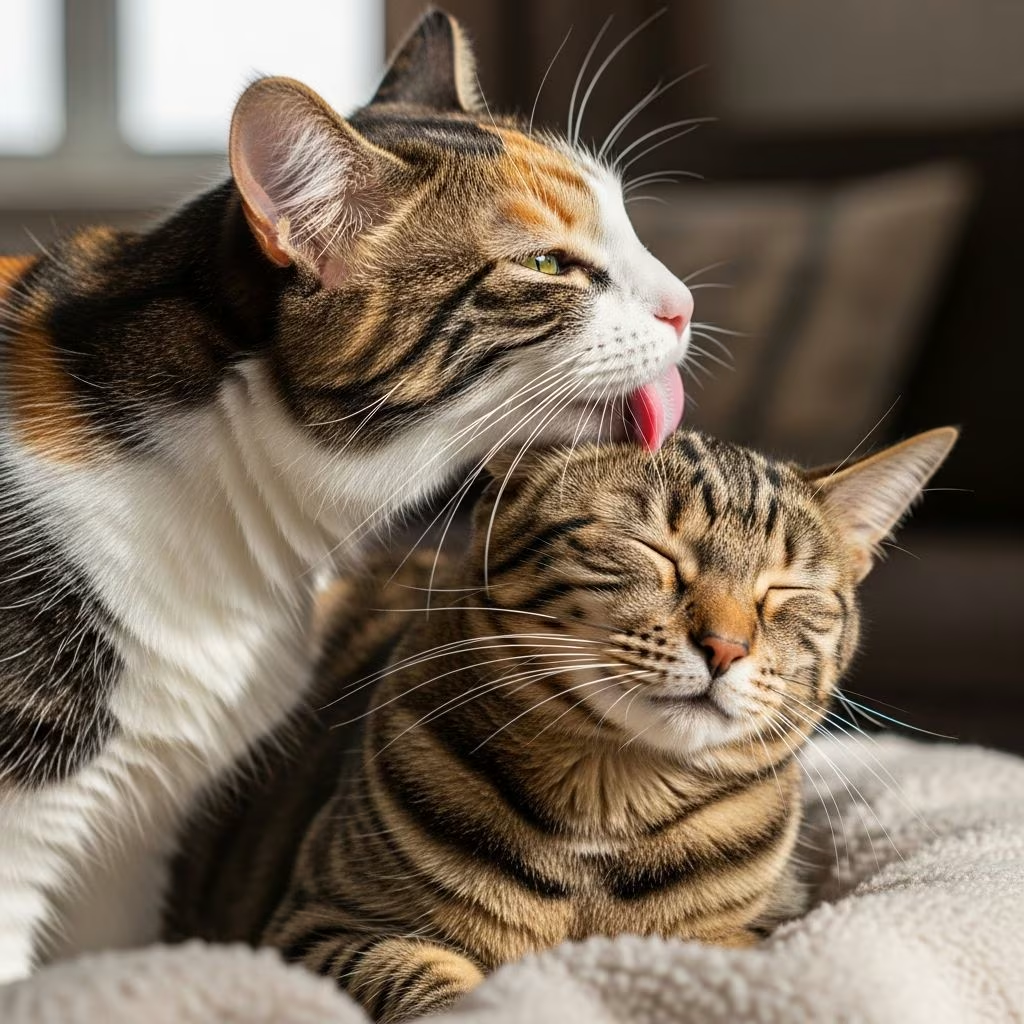
Cats grooming each other, known as allogrooming, is a common and natural behavior observed in multi-cat households and feral colonies. This mutual licking serves multiple purposes beyond mere cleanliness, including strengthening social bonds, sharing scents, relieving stress, and establishing hierarchy. Cats spend 30-50% of their day grooming themselves, and extending this to companions reinforces their relationships. Understanding allogrooming helps cat owners interpret feline interactions and detect potential health issues.
What Is Allogrooming?
Allogrooming refers to one cat licking or grooming another, distinct from self-grooming (autogrooming). Kittens learn it from their mother, who licks them for hygiene, stimulation, and bonding starting at birth. By 4 weeks, kittens groom themselves and littermates, continuing into adulthood. In adult cats, it’s a sign of trust, often occurring during cuddling or resting. Not all cats allogroom; it depends on their bond and personality. Flexible bodies, rough tongues like sandpaper, and paw combs make cats efficient groomers, reaching hard spots for others.
Reasons Why Cats Groom Each Other
Cats engage in allogrooming for several interconnected reasons, rooted in instinct and social needs.
Bonding and Affection
The primary driver is affection and bonding. Allogrooming expresses friendship and trust, mimicking mother-kitten care. Experts like Steve Dale note it as a feline “hug,” indicating cats feel safe together. In harmonious households, cats groom close companions, strengthening emotional ties.
Hygiene Assistance
Cats are fastidious but can’t reach everywhere, like the head or back. Mutual grooming cleans hard-to-reach areas, removes dirt, parasites, and loose fur, preventing mats. It distributes sebum oils for shiny coats and aids cooling via saliva evaporation.
Stress Relief and Endorphins
Grooming releases endorphins, natural mood boosters, reducing anxiety. Cats lick friends during stress, like conflicts or changes, as displacement behavior for calm. This soothes both groomer and groomee.
Scent Sharing and Group Identity
Licking mixes scents from facial glands, marking cats as a unit. This reinforces belonging in colonies or homes, like a shared “perfume,” enhancing security.
Social Hierarchy and Dominance
Allogrooming signals hierarchy: dominant cats often groom subordinates to assert status, while submissive ones may reciprocate respectfully. Studies show higher-ranking cats groom lowers more frequently.
Where Do Cats Groom Each Other?
Cats target specific areas during allogrooming:
- Head and face: Most common; cleans whiskers, eyes, and distributes facial scents.
- Neck and shoulders: Hard-to-reach for self-grooming; shows vulnerability and trust.
- Back and sides: Removes loose fur and parasites.
- Genitals and anus: Hygiene aid, especially for seniors or injured cats; instinctual from kittenhood.
- Paws: Cleans between toes.
Avoiding certain spots may indicate tension; full access signals deep trust.
Is It Normal for Cats to Groom Each Other? When to Worry
Yes, allogrooming is normal and positive in bonded cats, indicating harmony. However, watch for overgrooming: excessive licking causing bald spots, irritation, or wounds. Triggers include allergies, parasites, stress, or pain; one cat may overgroom another’s affected area. Saliva risks infection, so monitor. Consult a vet if hair loss appears or behavior intensifies.
Why Don’t My Cats Groom Each Other?
Not grooming doesn’t mean dislike; some cats prefer independence or have weaker bonds. Factors include:
- New introductions: Time needed for trust.
- Personality: Aloof cats groom less.
- Age/health: Seniors or ill cats reduce activity.
- Single-cat life: No need without companions.
Encourage with play, feeding together, and pheromone diffusers.
Related Behaviors: Licking Humans, Objects, or Excessive Self-Grooming
Cats may lick owners for affection, salt tasting, or scent marking, but roughly due to tongue texture. Object licking (pica) signals stress or diet issues. Excessive self-grooming (30-50%+ time) leads to lesions; causes: medical (allergies, fleas) or psychogenic.
| Aspect | Normal Allogrooming | Problematic Overgrooming |
|---|---|---|
| Frequency | Occasional, during rest | Constant, obsessive |
| Effect | Clean fur, bonding | Baldness, sores |
| Triggers | Affection, hygiene | Stress, illness |
| Action | Observe happily | Vet visit |
Frequently Asked Questions (FAQs)
Do all cats groom each other?
No, not all; it requires a strong bond. Independent cats may not.
Is the grooming cat dominant?
Often yes; dominants groom subordinates more.
Why do cats lick butts?
For hygiene, scent analysis; normal in close bonds or kittens.
Can allogrooming lead to fights?
Yes, if overstimulation occurs; watch body language.
Should I stop my cats grooming each other?
No, unless excessive; it’s beneficial.
What if one cat grooms the other excessively?
Check for health issues; vet evaluation needed.
This comprehensive guide (1,728 words) draws from veterinary and behavior experts to demystify allogrooming, helping owners foster happy multi-cat homes.
References
- Understanding Your Cat’s Grooming Habits — Hill’s Pet Nutrition. 2023. https://www.hillspet.com/cat-care/behavior-appearance/why-cats-groom-and-lick-themselves
- The Science Behind Cats Grooming Each Other — Petcube. 2023. https://petcube.com/blog/why-do-cats-groom-each-other/
- Why Do Cats Groom Each Other? Is This Normal? — Chewy. 2023. https://www.chewy.com/education/cat/training-and-behavior/why-do-cats-groom-each-other
- Feline Grooming Behavior — TVMF. 2022. https://www.tvmf.org/articles/grooming-behavior-of-cats/
- Cats that Lick Too Much — Cornell University College of Veterinary Medicine. 2023. https://www.vet.cornell.edu/departments-centers-and-institutes/cornell-feline-health-center/health-information/feline-health-topics/cats-lick-too-much



