

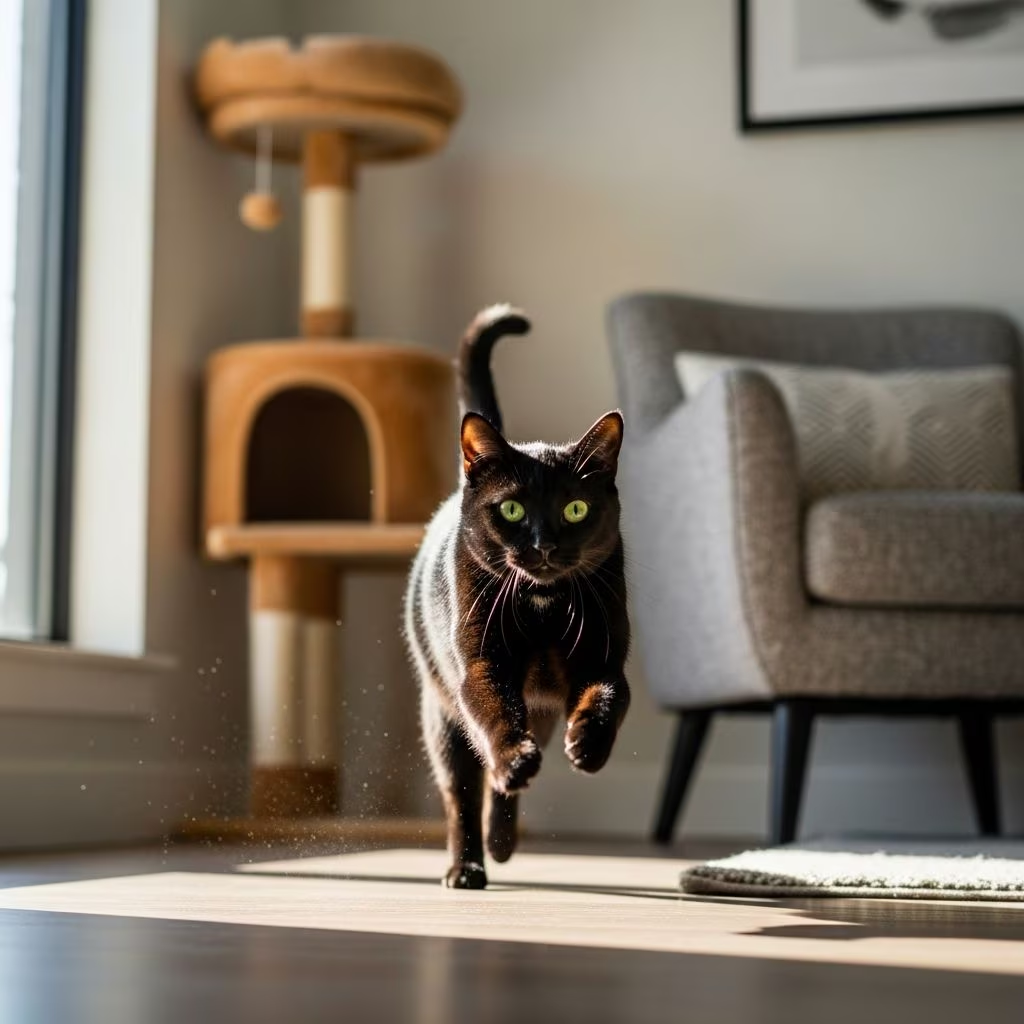
Cats exhibiting sudden bursts of energy, known as **zoomies**, immediately after using the litter box is a common and often amusing behavior among feline companions. These frenetic episodes, sometimes called “poop zoomies” or “crapnfraps,” leave many cat owners puzzled and entertained as their pet races around the house post-defecation.
This phenomenon, scientifically termed Frenetic Random Activity Periods (FRAPs), typically occurs in healthy cats but can occasionally signal underlying issues. Cats are crepuscular animals, meaning they are most active at dawn and dusk, which aligns with increased zoomie frequency, especially in kittens and young adults. Understanding the reasons behind post-poop zoomies helps owners distinguish between normal quirks and potential health concerns.
What Are the Zoomies?
The **zoomies** refer to sudden, explosive bursts of running, leaping, and spinning that cats (and other pets) display. In cats, these episodes last from seconds to a few minutes and often end with the cat grooming itself or napping as if nothing happened.
Zoomies serve multiple purposes: releasing pent-up energy, responding to excitement, or even self-soothing after intense activities like defecation. While adorable to watch—your cat pinging off furniture like a pinball—they stem from instinctual, neurological, or environmental triggers.
Why Do Cats Get Zoomies After Pooping?
Several theories explain this quirky behavior. Not all cats do it, suggesting individual personality, health, or environmental factors play a role. Below, we break down the primary reasons supported by veterinary insights and behavioral studies.
1. Instinctual Escape from Predators
In the wild, a cat’s feces emit a strong odor that attracts predators. Wild felines instinctively bury their waste and bolt to throw off scent trails, minimizing detection risk.
Domestic cats retain this survival mechanism despite safe indoor lives. The post-poop sprint distances them from the smell, mimicking ancestral behavior to evade imaginary threats. This explains why many cats meticulously bury poop before zooming away.
- Strong odor signals vulnerability to predators.
- Burial hides scent; running disperses it further.
- Common in both indoor and outdoor cats.
2. Vagus Nerve Stimulation (Poophoria)
One fascinating explanation involves the **vagus nerve**, a key nerve connecting the brain to abdominal organs. Passing a large stool stretches the rectum, firing the vagus nerve and causing a temporary drop in heart rate and blood pressure.
This reduced brain blood flow induces light-headedness and euphoria, termed **poophoria** by gastroenterologist Dr. Anish Sheth. The resulting “high” manifests as zoomies—a feline version of post-relief exhilaration, similar to human relief after a satisfying bowel movement.
Dr. Sheth notes: “The distension of the rectum… causes the vagus nerve to fire… leading to a sense of sublime relaxation—the high.” This physiological response turns relief into manic energy.
3. Dislike of Dirty Litter Boxes
Cats are fastidious creatures who prefer pristine litter boxes. An unclean box—laden with waste smells—prompts a hasty exit to escape the stench.
- Cats may “flush” mentally by darting away, akin to humans fleeing a porta-potty.
- Scooping daily prevents this; multiple cats need more frequent cleaning.
- Signs of aversion: avoiding box or selective use.
Providing a clean, spacious box reduces zoomies triggered by discomfort.
4. Medical Issues or Discomfort
Not always benign, sudden or intense post-poop zoomies can indicate pain from constipation, infections, or inflammation in the urinary tract, colon, or rectum.
Veterinarian Dr. Mike Paul advises checking for abnormalities like diarrhea, hard stools, blood, or straining. If zoomies are new, consult a vet promptly.
| Symptom | Possible Issue | Action |
|---|---|---|
| Strained defecation | Constipation | Vet visit; check diet |
| Blood in stool/urine | Infection/inflammation | Immediate vet |
| Diarrhea or hard pellets | Digestive upset | Monitor; vet if persistent |
| Frequent unproductive visits | UTI or blockage | Urgent care |
Other red flags: crying in box, excessive rear licking, or appetite loss.
5. Pure Joy and Energy Release
For healthy cats, zoomies simply celebrate relief. The satisfaction of a good poop unleashes pent-up energy, especially in playful or indoor-only cats.
Kittens and young cats exhibit this most, blending post-relief bliss with general friskiness.
Is It Normal or a Concern?
Occasional, happy zoomies in a consistent routine are normal. Worry if:
- Behavior starts suddenly in an adult cat.
- Accompanied by litter box struggles or vocalizing.
- Cat avoids box or shows lethargy elsewhere.
A vet check rules out issues like hyperthyroidism, parasites, or anal gland problems. Routine exams ensure ongoing health.
How to Reduce Post-Poop Zoomies
While harmless fun, minimizing zoomies improves safety (fewer knocked lamps). Tips include:
- Clean daily: Scoop waste; use clumping litter.
- Multiple boxes: One per cat plus one extra, in quiet spots.
- Diet check: High-fiber food prevents constipation; hydrate well.
- Enrichment: Toys, scratching posts channel energy.
- Vet wellness: Annual checks catch issues early.
Observe patterns: video episodes for your vet if concerned.
Frequently Asked Questions (FAQs)
Do all cats get zoomies after pooping?
No, only some do. It varies by personality, health, and environment. Consistent performers likely have instinctual or poophoria triggers.
Is it painful if my cat zooms after pooping?
Not usually, but new or frantic zooming with straining warrants a vet visit to rule out constipation or infections.
Why do kittens zoom more after litter box use?
Kittens have boundless energy and stronger instincts. Their smaller size amplifies playful responses to relief.
Can litter type affect zoomies?
Yes, scented or dusty litters irritate, prompting faster exits. Unscented, fine-clumping litters suit most cats.
Should I stop my cat’s zoomies?
Only if unsafe. Provide clear runways; it’s healthy energy release. Punishment increases stress.
Conclusion: Embrace the Post-Poop Dash
Cat zoomies after pooping blend ancient instincts, neurological highs, cleanliness preferences, and occasional health flags. Most are harmless quirks showcasing your cat’s wild heritage in a domestic setting. Monitor for changes, maintain clean habits, and enjoy the spectacle—your feline is just living its best, bouncy life.
This behavior underscores cats’ complex nature: part predator, part hedonist, all entertainer. Next time Fluffy sprints from the box, smile knowing science backs the madness.
References
- Why Do Cats Get the Zoomies After Using the Litterbox? — Rover.com. Accessed 2026. https://www.rover.com/blog/cat-zoomies-after-litterbox/
- The (very adorable) reasons cats get the zoomies after pooping — BBC Science Focus. Accessed 2026. https://www.sciencefocus.com/nature/cat-zoomies-pooping
- Why does my cat get the “zoomies” after pooping? — PetBucket. Accessed 2026. https://www.petbucket.com/blog/65570/why-does-my-cat-get-the-zoomies-after-pooping.html
- Cat Zoomies: What is the Reason? — Shawsheen Animal Hospital. Accessed 2026. https://shawsheenanimalhospital.com/blog/cat-zoomies/
- Why Do Cats Run Like Crazy After They Pee or Poop? — OwnPets. Accessed 2026. https://ownpets.com/blogs/learn/why-do-cats-run-crazily-after-they-pee-or-poo



