

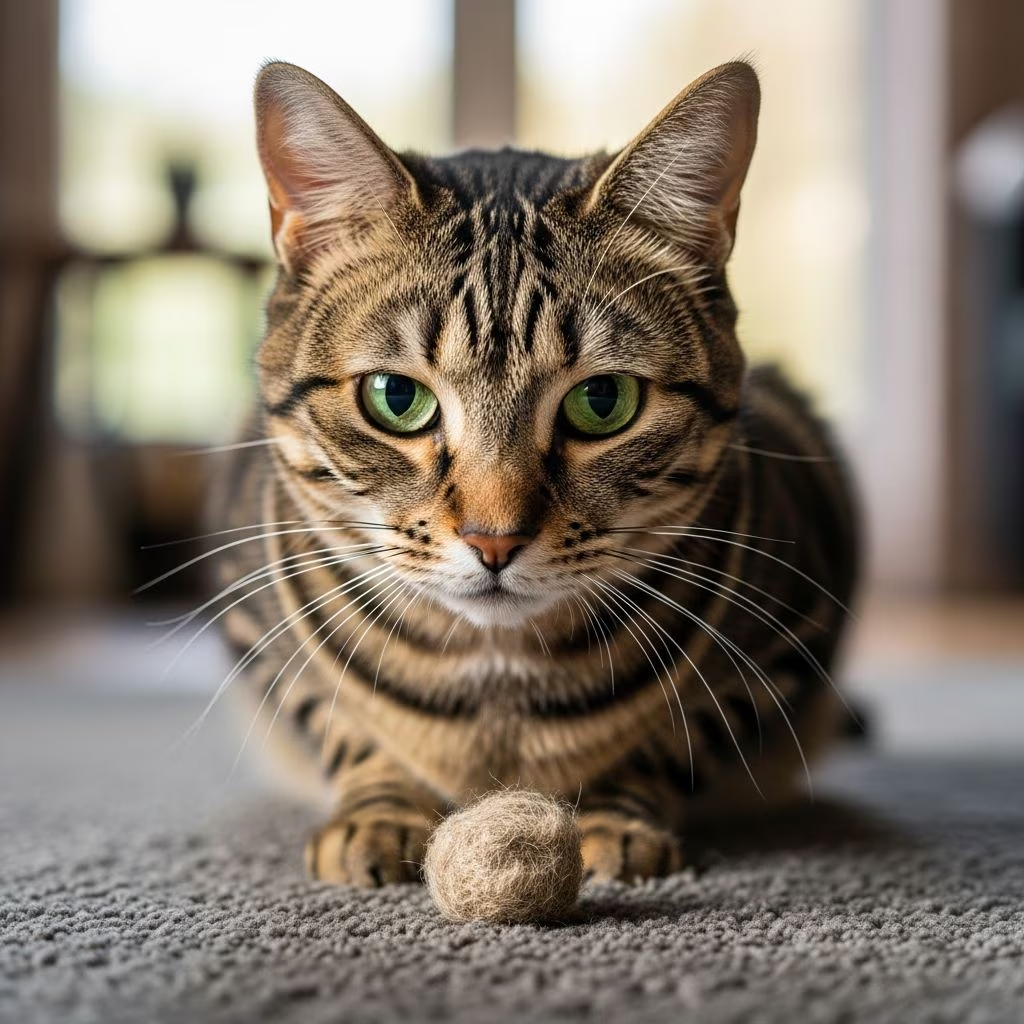
Cats are meticulous groomers, spending up to half their waking hours licking their fur to stay clean. This natural behavior leads to ingestion of loose hair, which can accumulate in the stomach and form hairballs, known medically as trichobezoars. While occasional hairballs are normal, frequent occurrences may signal health concerns requiring attention.
What Are Hairballs?
Hairballs are tightly packed masses of ingested fur that form in a cat’s stomach or intestines. Cats regurgitate them as cylindrical, tube-shaped vomit that resembles a wet rope, often with a foul odor. These form because the stomach’s digestive juices cannot fully break down hair, causing it to build up over time. Long-haired breeds like Persians and Maine Coons are particularly prone due to greater fur volume.
Why Do Cats Get Hairballs?
The primary cause is self-grooming. Cats use barbed tongues to remove loose hair, dirt, and parasites, swallowing significant amounts daily. Most passes through the digestive tract via feces, but excess hair clumps together, especially if motility is slow. Factors increasing risk include:
- Long or dense coats shedding more fur.
- Excessive grooming from stress, allergies, fleas, or boredom.
- Dehydration slowing digestion.
- Underlying gastrointestinal issues impairing hair passage.
Shorthaired cats can also develop them, but longhaired ones face higher incidence.
How Often Do Cats Get Hairballs?
Healthy cats may expel one every few weeks or months without issue. Frequency varies by breed, age, and grooming habits—kittens and seniors less often, adults more. Daily hairballs or those causing distress warrant veterinary evaluation, as they may indicate disease rather than normal nuisance.
Symptoms of Hairballs in Cats
Recognize hairballs by these signs:
- Regurgitation: Cylindrical, hair-filled vomit, often post-meal.
- Gagging/Retching: Repeated hacking without vomit.
- Lethargy: Reduced activity or appetite loss.
- Weight Loss: From poor nutrient absorption if blocked.
- Constipation: Hair in stool or straining.
Watch for dehydration signs like tacky gums or skin tenting. Severe cases mimic blockages with vomiting, diarrhea, or abdominal pain.
Are Hairballs Dangerous for Cats?
Occasional hairballs pose little risk, but complications include:
- Intestinal Blockage: Hairball obstructs passage, life-threatening without surgery.
- Esophageal Tears: From forceful vomiting.
- Nutrient Malabsorption: Chronic issues leading to deficiencies.
- Underlying Disease Masking: Chronic vomiting signals GI disorders, allergies, or hyperthyroidism.
Seek immediate vet care for persistent vomiting, blood, or distress.
Causes of Hairballs in Cats
Beyond grooming, key contributors:
| Cause | Description | High-Risk Cats |
|---|---|---|
| Excessive Grooming | Stress, pain, skin conditions prompt over-licking. | Anxious or allergic cats |
| Coat Type | Long, thick fur sheds more. | Persians, Maine Coons |
| Poor Diet | Low fiber hinders motility. | Dry-food only diets |
| Dehydration | Dry food, low water intake slows gut. | Indoor cats |
| Health Issues | GI disease, motility disorders. | Seniors, sick cats |
Addressing root causes prevents recurrence.
When to See a Vet for Hairballs
Consult a vet if:
- Hairballs exceed once weekly.
- Accompanied by weight loss, diarrhea, or blood.
- Cat strains to defecate or vomits food repeatedly.
- Lethargy or appetite changes persist.
- No improvement after home remedies.
Vets may diagnose via exam, imaging, or tests for GI issues.
Diagnosis of Hairballs in Cats
Veterinarians start with history and physical exam, checking for dehydration or pain. Diagnostics include:
- Radiographs/ultrasound for blockages.
- Bloodwork for organ function, thyroid.
- Fecal analysis for parasites.
- Endoscopy for direct visualization.
Rule out megacolon or IBD.
Treatment for Cat Hairballs
Treatment targets relief and clearance:
- Home Remedies: Laxatives like petroleum jelly on paw; fiber like pumpkin.
- Vet Interventions: Emesis induction, enemas, or surgery for obstructions.
- Medications: Prokinetics for motility; anti-nausea drugs.
Hospitalization for severe cases.
How to Prevent Hairballs in Cats
Prevention combines grooming, diet, and monitoring:
- Groom Daily: Brush to remove loose fur, especially longhairs.
- Diet Tweaks: Hairball-control food high in fiber; add pumpkin/psyllium.
- Hydration: Fountains, wet food boost water intake.
- Remedies: Gels like Laxatone 2-3x/week lubricate gut.
- Reduce Stress: Toys, play curb overgrooming.
Regular vet checkups catch issues early.
Hairball Prevention Products
Options include:
- Gels/pastes (Laxatone) for lubrication.
- Fiber treats/supplements.
- Specialty kibble/wet food.
- Omega oils for coat health.
Consult vet before starting.
Frequently Asked Questions (FAQs)
Are hairballs normal for cats?
Yes, occasional hairballs are normal from grooming, but frequent ones need investigation.
Can hairballs cause death in cats?
Rarely, but blockages can be fatal if untreated.
How do you help a cat pass a hairball?
Offer petroleum gel, fiber, and ensure hydration; see vet if persistent.
Do hairball remedies work?
Yes, gels and high-fiber diets reduce frequency effectively.
Why is my cat vomiting hairballs often?
May indicate allergies, GI disease, or stress; vet evaluation needed.
References
- Cat Hairballs 101: How to Help — PetMD. 2023. https://www.petmd.com/cat/general-health/cat-hairballs-101-how-help
- Trichobezoars (Hairballs) in Cats — VCA Animal Hospitals. 2024. https://vcahospitals.com/know-your-pet/trichobezoars-in-cats
- Dealing with Hairballs: Prevention and Treatment for Cats — Faithful Friends Veterinary Clinic. 2023. https://faithfulfriendsvetclinic.com/dealing-with-hairballs-prevention-and-treatment-for-cats/
- Minimizing Hairballs in Cats — ASPCA Pet Health Insurance. 2023. https://www.aspcapetinsurance.com/resources/minimizing-hairballs-in-cats/
- Hair Balls in Cats: A normal nuisance or a sign that something… — NIH (PMC). 2024-01-15. https://pmc.ncbi.nlm.nih.gov/articles/PMC10816490/
- Hairballs in Cats: Causes, Symptoms, & Remedies — WebMD. 2024. https://www.webmd.com/pets/cats/what-to-do-about-hairballs-in-cats



