

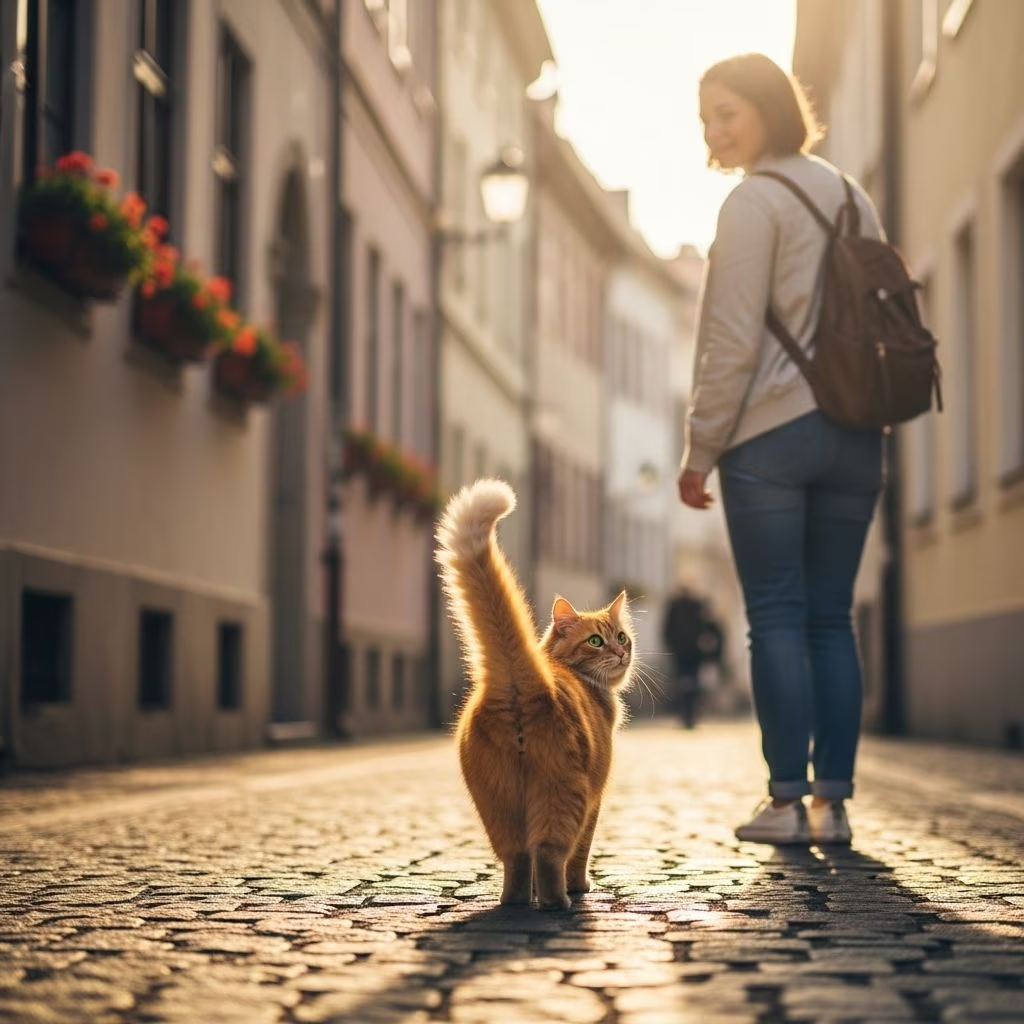
Cats are enigmatic creatures whose behaviors often puzzle us humans. One particularly intriguing action is when a cat decides to follow a complete stranger down the street. This phenomenon raises questions: Is the cat lost? Hungry? Or simply curious? Understanding the motivations behind this can help you respond appropriately, whether it’s offering aid or respecting their space. Far from random, these encounters often stem from instinctual needs or personality traits. This article delves into seven vet-reviewed reasons, drawing from expert insights on feline psychology and behavior. By recognizing the signs, you can discern if the cat needs help or is just being its inquisitive self.
The 7 Reasons Cats Follow Strangers
Cats follow strangers for a variety of reasons, each tied to their survival instincts, social nature, or environmental factors. These behaviors are shaped by genetics, early socialization, and individual experiences. While some cats are bold extroverts greeting newcomers with enthusiasm, others remain cautious, observing from afar. Below, we break down the seven primary motivations, complete with observable cues to help you identify them.
1. The Cat Wants Attention
One of the most prevalent reasons cats trail strangers is a simple desire for affection. Friendly, outgoing cats often approach people they deem safe, rubbing against legs, purring, or vocalizing to solicit pets and cuddles. These sociable felines have honed their ability to read human cues, selecting individuals who appear non-threatening. If a cat weaves figure-eights around your ankles or head-butts your hand, it’s likely passing a subconscious “safety test” and craving interaction.
This attention-seeking is more common in well-socialized cats exposed to humans during their critical kittenhood (2-7 weeks old). Breeds like Ragdolls, Maine Coons, or Sphynx are notorious for dog-like devotion, following owners and strangers alike for companionship. Ignoring such a cat might lead it to persist, but responding gently reinforces positive human-cat bonds.
2. They’re In Trouble
Cats in distress may seek human assistance, approaching strangers when injured, ill, or protecting vulnerable kittens. Strays with prior positive human encounters view people as potential helpers. A mother cat might lead you to her hidden litter, meowing insistently or limping to signal need.
Signs of trouble include lethargy, limping, discharge from eyes/nose, matted fur, or excessive vocalization. Anecdotal reports abound of cats “asking for help” by following kind-hearted passersby. If encountered, assess safely: avoid direct contact to prevent scratches, and contact local animal services or a vet for professional intervention. Early aid can be lifesaving, as dehydration or infections progress quickly in outdoor cats.
3. Hunger or Thirst
A growling stomach or parched throat drives many cats to shadow humans, especially strays without reliable food sources. These felines sniff pockets, bags, or shoes for edible scents, deploying plaintive meows and wide-eyed stares akin to puppy-dog eyes. Diets imposed by owners or hot weather exacerbating dehydration amplify this behavior.
Outdoor cats face heightened risks on sweltering days, lacking steady water access. Offering plain water (not milk, which many cats can’t digest) or cat-safe food can help temporarily. Persistent followers might return daily, inadvertently becoming “adopted.” Monitor for colony cats fed by neighbors, as overfeeding disrupts feral group dynamics.
- Key signs: Sniffing at food smells, intense staring, loud meowing.
- Response tip: Provide water first; use wet food for hydration.
4. You Arouse Curiosity
Curiosity, that timeless feline trait, propels cats to investigate intriguing strangers from a safe distance. Novel clothing, fast movements, or unfamiliar scents pique their interest, prompting a shadowing pursuit without close contact. Once satisfied, the cat peels away, lesson learned.
Cats are natural explorers, wired to probe their environment. Opening doors to new areas triggers similar following in house cats, revealing an innate investigative drive. This low-risk behavior satisfies without commitment, embodying the adage “curiosity killed the cat”—yet they persist undeterred.
5. The Cat Wants to Explore
Not all followers are strays; neighborhood cats with outdoor privileges roam blocks away, drawn to your home by curiosity or safety vibes. Socialized wanderers beg entry to sniff new territories, while lost cats associate kind humans with refuge. Feeding once risks habitual returns, evolving into unofficial adoption.
Respect boundaries: Check for collars/microchips before assuming stray status. Indoor-outdoor cats thrive on exploration but face perils like traffic. If a cat lingers at your door, scan for identification and consider humane deterrents like motion sprinklers if unwanted.
6. Unusual Smells
Cats’ acute olfactory sense—14 times stronger than humans’—detects captivating odors on clothing, like food residues or other pets. Intrigued but wary, they trail cautiously, dodging touch while edging closer than pure curiosity warrants.
Pet owners often unwittingly lure cats smelling of dogs or fellow felines. This sensory pursuit blends caution with compulsion, cats prioritizing scent over interaction. Avoid sudden grabs; let them investigate autonomously.
7. You’re In Their Territory
Territorial instincts motivate vigilant escorts, cats monitoring intruders to safeguard domains marked by sprays, scratches, or rubs. They parallel you at a distance, departing once you’re evicted, ensuring no threats linger.
Feral and owned cats alike defend ranges, extending wariness to humans. This isn’t aggression but stewardship. Non-engagement respects their space; retreating affirms boundaries without escalation.
What Should You Do If a Cat Follows You?
Observe first: Distant followers (curiosity/territory) warrant ignoring to avoid encouragement. Approaching beggars signal needs—offer water/food judiciously, never force interaction. Injury? Isolate and call experts. Home followers? Scan for ID; post found notices. Most encounters are benign, but caution prevents scratches or bites from stressed cats.
| Behavior | Reason | Best Response |
|---|---|---|
| Close rubbing/meowing | Attention/Hunger | Gentle pets or small feed |
| Distant shadowing | Curiosity/Territory | Ignore and walk on |
| Limping/vocal distress | In trouble | Contact rescue/vet |
Frequently Asked Questions (FAQs)
Is it safe to pet a cat following me?
Proceed cautiously. Allow approach first; scared cats scratch. Feral adults pose higher risks than socialized ones.
Why do some cats follow but others hide from strangers?
Socialization matters: Kittens exposed 2-7 weeks develop confidence; others default to shyness.
What if the cat follows me home?
Check for collar/chip. Feed minimally; contact shelters to reunite owner.
Do certain breeds follow strangers more?
Yes, sociable types like Maine Coons or Ragdolls often seek human company.
Can following indicate illness?
Possibly; altered behavior like lethargy signals vet needs.
Most cat-following is harmless, reflecting their complex world. Respect signals, prioritize safety, and enjoy these whimsical encounters.
References
- Why Do Cats Follow Strangers? 7 Possible Vet-Reviewed Reasons — Catster. 2023. https://www.catster.com/cat-behavior/why-do-cats-follow-strangers/
- Cat Behavior: How Cats React to Strangers — Bark & Whiskers. 2015-11-30. https://www.barkandwhiskers.com/2015-11-30-nl-how-cats-react-to-strangers/
- Why Does My Cat Follow Me Everywhere? — PetMD. Accessed 2026. https://www.petmd.com/cat/behavior/why-does-my-cat-follow-me
- Top 5 Reasons Why Your Cat Is Following You Around — Purina UK. Accessed 2026. https://www.purina.co.uk/articles/cats/behaviour/understanding-cats/why-does-my-cat-follow-me
- Why Do Cats Follow Strangers? — YouTube (Veterinary Secrets). Accessed 2026. https://www.youtube.com/watch?v=dm1ec0bPdRI
- Why Is My Cat Shy Around Strangers? Tips for Anxious Cats — Best Friends Animal Society. Accessed 2026. https://bestfriends.org/pet-care-resources/why-my-cat-shy-around-strangers-tips-anxious-cats



