

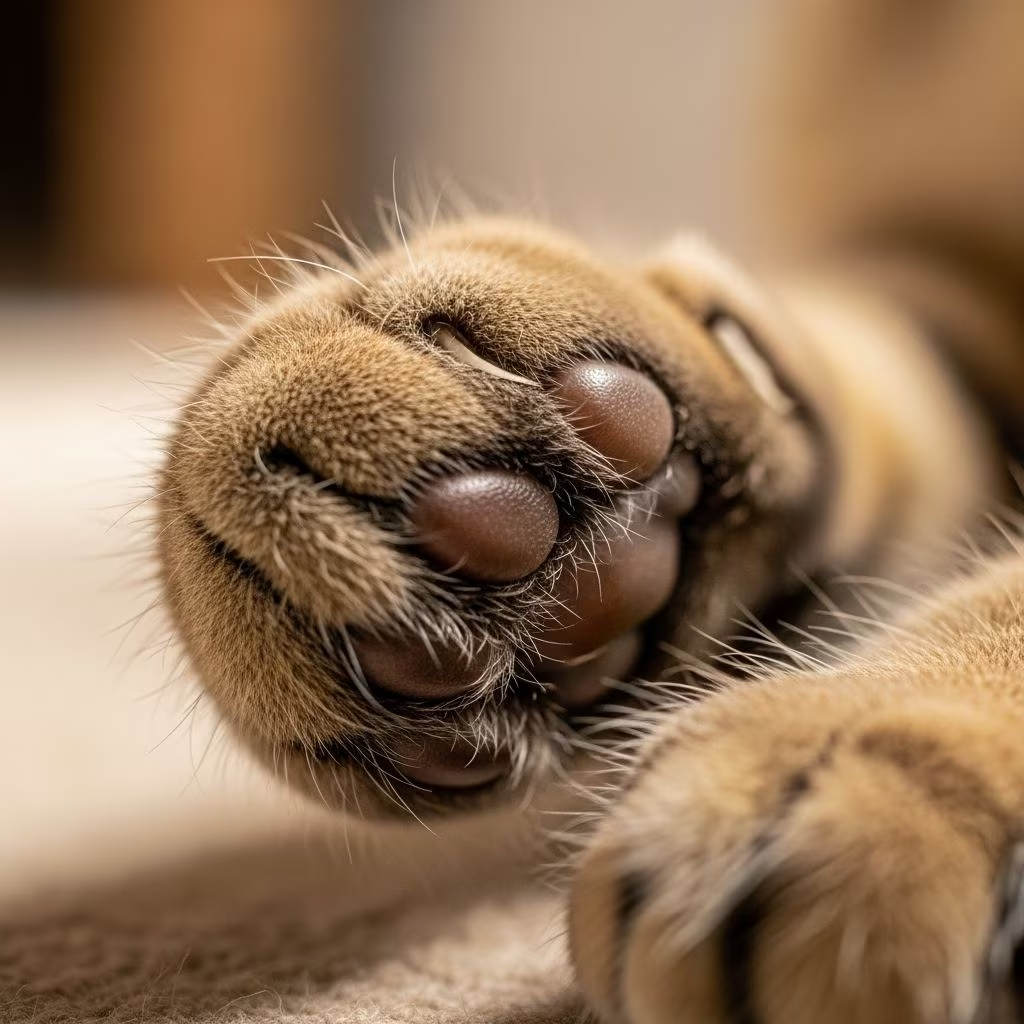
Cats are known for their cleanliness, yet many owners notice their paws emit a distinctive yeasty scent resembling Fritos or corn chips. This odor typically arises from naturally occurring bacteria on the skin or picked up from the environment, combined with sweat and saliva from grooming.
The Facts About “Frito Feet” in Cats
While “Frito feet” is a phenomenon more commonly associated with dogs due to their outdoor adventures and frequent exposure to moisture and dirt, it can occur in cats as well. Cats, particularly indoor ones, maintain cleaner paws, but certain conditions can lead to this corn chip-like smell.
The primary culprits are bacteria such as Pseudomonas and Proteus species, which produce a yeasty odor when they proliferate on the paws. These microbes thrive in warm, moist environments created by sweat from paw pads—cats’ primary sweating areas—and saliva deposited during self-grooming.
Cats sweat through their paws, mixing environmental debris, skin bacteria, and oral bacteria from licking, intensifying the scent. Unlike dogs, healthy cat paws rarely exhibit a strong Frito smell, so its presence might warrant closer inspection.
Why the Frito Smell Occurs
- Bacterial Activity: Pseudomonas and Proteus bacteria naturally reside on skin and in environments, fermenting sweat and debris into a popcorn-like aroma.
- Grooming Habits: Cats lick their paws extensively, transferring mouth bacteria that amplify the odor.
- Sweat and Moisture: Paw pads secrete sweat, creating ideal damp conditions for microbial growth.
- Environmental Factors: Outdoor cats may pick up more bacteria from soil, grass, or litter, though indoor cats aren’t immune.
Contributing Health Factors
Beyond normal bacteria, underlying issues can exacerbate the smell. Dental disease causes bad breath (halitosis), and cats licking their paws transfer these oral pathogens, worsening paw odor.
Allergies or stress prompt overgrooming, keeping paws moist and fostering bacterial overgrowth. Atopic dermatitis, triggered by pollen or environmental allergens, is more pronounced in warmer months.
Stepping in foul substances outdoors might cause smells, but these rarely mimic Fritos specifically. In rare cases, fungal infections or wounds contribute to yeasty scents.
Frequently Asked Questions (FAQ)
Can Indoor Cats Get Frito Feet?
Yes, indoor cats can develop Frito feet. Homes provide warm, humid conditions perfect for bacterial growth, especially if cats wet their paws in water bowls or overgroom due to stress or allergies. Outdoor access increases risk, but it’s not exclusive to them.
Are My Cat’s Feet More Likely to Smell Like Fritos at a Certain Time of Year?
Indoor cats can experience this year-round due to consistent home warmth. However, seasonal allergies like pollen in spring and summer heighten overgrooming and moisture in atopic cats, intensifying the smell.
Should I Worry if My Cat’s Feet Smell Like Fritos?
A mild Frito scent from natural bacteria is usually harmless, especially in dogs, but less common in cats, signaling potential issues. Monitor for accompanying symptoms:
- Frequent paw licking
- Saliva staining on paws
- Redness or inflammation
- Hair loss around paws
- Sores, discharge, crusts, or scabs
- Putrid rather than yeasty odor
- Ear odor or limping
- Flaky skin or slow-healing wounds
If present, consult a veterinarian to rule out infections, allergies, dental problems, or injuries. Vets may recommend oral health checks or skin treatments.
When to Take Action: Signs of Concern
Distinguish normal Frito feet from problems by observing intensity and symptoms. A balanced microbiome causes mild scents, but imbalance leads to foul odors.
| Normal Frito Feet | Concerning Signs |
|---|---|
| Mild corn chip smell | Strong, putrid odor |
| No visible changes | Redness, swelling, pus |
| Occasional grooming | Excessive licking/biting |
| No discomfort | Limping or paw avoidance |
Regular paw maintenance helps: Wipe paws with a damp cloth after outdoor time, trim fur between toes, and keep nails short to prevent injuries. Avoid hot surfaces in summer to protect pads.
How to Manage and Prevent Frito Feet in Cats
Proactive care minimizes odor and risks:
- Daily Wipes: Gently clean paws with pet-safe wipes or lukewarm water and a mild soap to remove bacteria.
- Dental Care: Brush teeth regularly or use dental treats to combat halitosis transfer.
- Allergy Management: For seasonal flare-ups, discuss hypoallergenic diets or meds with your vet.
- Grooming Aids: Paw balms keep skin dry; avoid human lotions.
- Environment Control: Reduce litter dust and ensure dry, clean spaces.
For persistent issues, veterinary exams might include cultures for bacteria or antifungals. Online vet services like those mentioned can provide initial advice.
Understanding the Science Behind the Smell
The Frito aroma results from isovaleric acid produced by Proteus and Pseudomonas metabolizing sweat and debris. This volatile compound mimics corn chip fermentation. In cats, less exposure means subtler scents, but grooming amplifies it.
Research on pet microbiomes shows paws host diverse flora, balanced in health but disrupted by moisture or illness. Maintaining this balance through hygiene prevents escalation.
Comparing Frito Feet: Cats vs. Dogs
| Aspect | Cats | Dogs |
|---|---|---|
| Prevalence | Less common | Very common |
| Main Cause | Grooming, allergies | Outdoor exposure |
| Risk Factors | Indoor humidity, dental issues | Wet paws, adventures |
| Concern Level | Monitor closely | Often benign |
Cats’ fastidious nature contrasts dogs’ dirtier habits, making feline Frito feet more noteworthy.
Expert Tips for Fresh Cat Paws
Veterinarians emphasize observation: Sniff regularly, note changes, and act promptly. Holistic approaches like diet adjustments support skin health, reducing bacterial-friendly moisture.
Owners report success with routine wipes and stress reduction via toys or pheromones, curbing overgrooming.
References
- Why Do My Cat’s Feet Smell Like Fritos? Vet-Reviewed Facts & FAQ — Catster. 2023. https://www.catster.com/lifestyle/why-do-cats-feet-smell-like-fritos/
- Stinky Paws: Why Do My Pet’s Feet Smell Like Frito’s? — All Creatures Veterinary Hospital of Brooklyn. 2023. https://www.allcreaturesvetbrooklyn.com/blog/stinky-paws-why-do-my-pets-feet-smell-like-fritos/
- Should I Be Worried About Frito Feet? — Bowman Veterinary Hospital. 2023. https://www.bowmanvet.com/blog/should-i-be-worried-about-frito-feet/



