

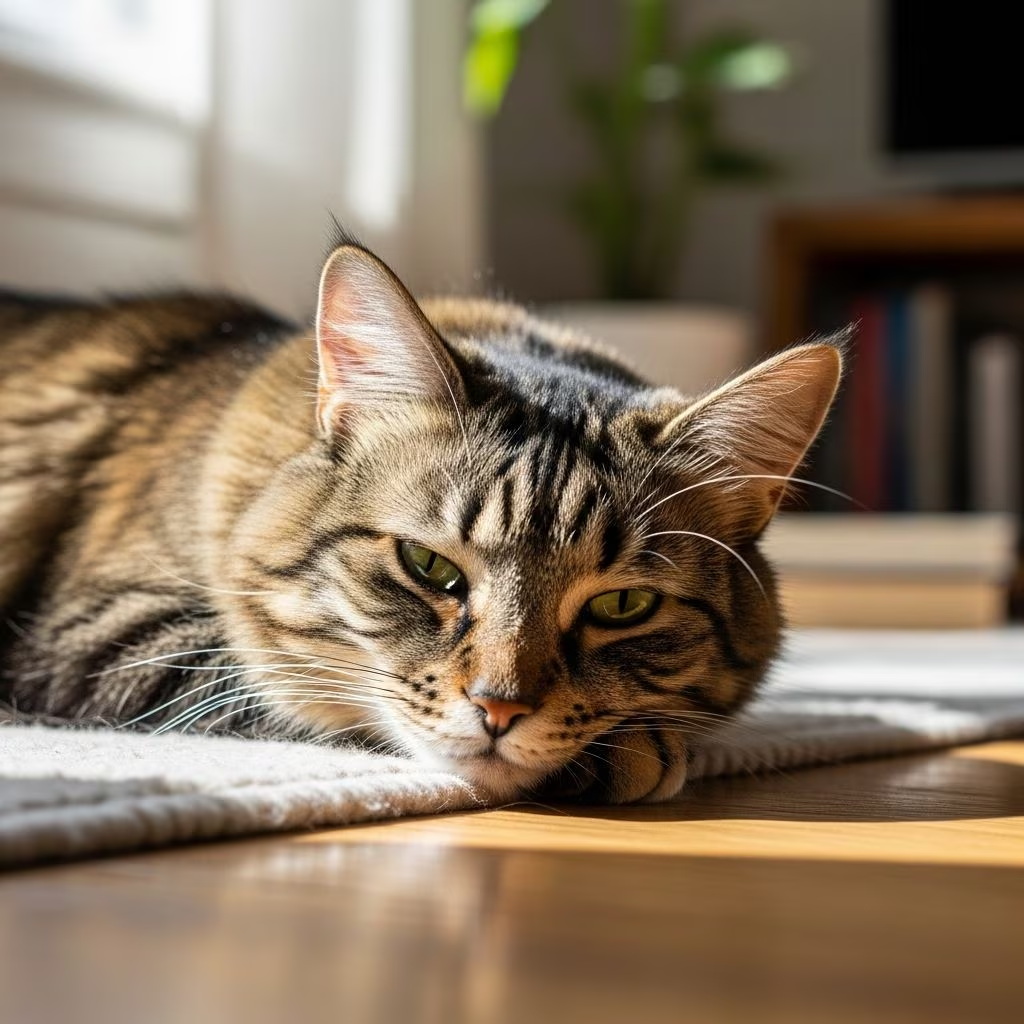
Why Do Cats Fake Sleep? 7 Vet-Reviewed Possible Reasons
Have you ever noticed your cat appearing to sleep, yet their ears twitch at every sound or their eyes seem slightly open? This isn’t your imagination—cats genuinely fake sleep. Unlike the deep, restorative slumber cats enjoy during their extended rest periods, fake sleep represents a lighter, more vigilant state where cats remain partially aware of their surroundings. Understanding why your feline companion engages in this behavior can help you better interpret their needs and emotions.
Cats are remarkable creatures with instincts honed over thousands of years of evolution. While domestication has changed many aspects of their lives, their fundamental survival mechanisms remain intact. Fake sleep is one such mechanism that serves multiple purposes in a cat’s daily life, from protection and stress management to curiosity and energy conservation.
1. It Is a Natural Defense
Cats may rest lightly with eyes partly open as a natural defense mechanism against predators. They will get into their favorite position and appear asleep, yet remain alert and ready to pounce. This evolutionary behavior dates back thousands of years when cats in the wild needed to protect themselves from larger predators while still allowing their bodies to rest.
This defense mechanism serves dual purposes in domestic settings. First, it helps cats maintain their guard against potential threats, even though modern house cats face few genuine predators. Second, it provides protection from unwanted interactions. If your cat is not in the mood to play with an over-excited pet or child, remaining still with eyes partially closed can make that person lose interest and leave your cat alone to rest undisturbed.
The positioning is crucial in this defense strategy. A cat engaged in fake sleep will typically maintain a posture that allows them to spring into action quickly if necessary. Their muscles remain slightly tensioned, and their ears may swivel independently to monitor sounds from different directions, all while appearing peacefully asleep.
2. It Helps With Stress
Stress is a significant trigger for fake sleep in cats. Contrary to popular belief, domestic cats experience stress regularly, even in comfortable home environments. When you have several visitors, your cat may feel anxious and resort to resting lightly or withdrawing to avoid interaction. If you have a cat-obsessed child or friend who wants to pet and hold your cat constantly, this could trigger stress responses.
Fake sleeping serves as a coping mechanism that allows cats to manage anxiety without direct confrontation. Rather than hissing, hiding, or showing other obvious stress signs, cats employ this subtle strategy to reduce their anxiety levels. The behavior reflects a high level of fear and caution, and it’s commonly observed in shelter settings where cats experience unfamiliar environments and constant stimuli.
When a cat is feigning sleep due to stress, specific body language indicators become apparent. The cat’s body appears tense, with the tail wrapped closely around themselves. Their paws may be tucked underneath their body, and their ears may be upright and slightly forward, as if listening intently to every sound. Their eyes may be open or closed, but they are acutely aware of their surroundings.
3. They Want to Watch You
This is a classic example of your cat “sleeping” without fully closing their eyes. Cats rest while remaining aware of their surroundings, allowing them to monitor activity without appearing engaged. You may even notice the nictitating membrane, commonly called the third eyelid, partly visible during this light sleep state.
Cats are intensely curious creatures, and fake sleep provides the perfect opportunity to observe without interaction. They may want to keep an eye on you without encouraging you to initiate play or affection. This behavior becomes especially apparent when a new person enters the household—your cat can monitor the stranger without directly engaging, allowing them to assess whether this person poses any threat or interest.
This watching behavior also serves a practical purpose in multi-pet or multi-person households. Your cat can keep tabs on family members’ activities and movements, ensuring they’re aware of what’s happening around them while enjoying the benefits of rest. It’s a clever way to remain informed about their environment without the commitment of active participation.
4. Your Cat May Be Conserving Energy
Cats use plenty of energy when they play and hunt, so it only makes sense that they need significant rest. However, they don’t always have the luxury of falling into deep sleep without interruption. Fake sleeping or resting lightly allows cats to conserve energy while remaining alert enough to respond to opportunities or threats.
When your cat appears to suddenly flop down into what seems like deep rest after a burst of playful activity, they’re often entering energy-saving mode. By feigning sleep during moments of exhaustion or overstimulation, they cleverly recharge without being disturbed. This is particularly important for indoor cats that may face disruptions from family members, other pets, or household activities.
A little rest can go a long way in a cat’s energy reserves. Once they complete their fake sleep session, they are ready to dart off again in their quest to hunt, play, or explore. This cyclical pattern of intense activity followed by light rest periods characterizes much of a cat’s daily routine, particularly during their naturally active hours of dawn and dusk.
5. This Might Be Caused by the Cat Burglar Instinct
No matter how well you feed your cat premium-quality food, it will remain a predator and hunter at heart. This hunting instinct is deeply embedded in feline DNA and doesn’t disappear simply because your cat has access to regular meals. You may notice your cat cozying up suspiciously close to the dinner table or kitchen counter when you’re cooking or about to eat.
In these moments, your cat is likely preparing to fake sleep strategically. The cat positions itself nearby, appearing to rest innocently while actually monitoring your movements and waiting for the perfect opportunity. The second you turn away, the “sleeping” cat will spring into action and attempt to grab a bite of the food. This behavior combines multiple feline instincts: the hunting drive, the opportunistic nature of predators, and the strategic patience cats employ when stalking prey.
Understanding this behavior helps explain why cats seem so interested in your meals and why they can appear to be peacefully resting one moment and actively investigating your plate the next. It’s not misbehavior—it’s instinct. Protecting your food and being mindful of your cat’s position during meals can help manage this natural feline behavior.
6. Seeking Attention From Their Owners
Cats pretending to sleep can also be a sign that they want more attention from their owners or humans around them. This might seem contradictory, but cats are complex creatures with nuanced communication styles. By fake sleeping, particularly in locations where you frequent, a cat may be seeking your notice without directly demanding interaction.
Cats may use fake sleep to indicate they want to be pampered, need protection, or are feeling jealous of attention directed toward other pets or people. When your cat settles nearby in what appears to be sleep but with eyes slightly open and ears alert, they may be hoping you’ll notice them and initiate affection on their terms. This allows them to maintain control over the interaction while still receiving the attention they crave.
This attention-seeking behavior is often accompanied by the cat positioning itself in your line of sight or in locations where you typically spend time. They’re not truly sleeping, but they’re also not actively soliciting interaction—instead, they’re creating an opportunity for you to engage with them if you choose to do so.
7. Getting to Know Their New Environment
When cats are introduced to new environments, they employ fake sleep as a strategy to learn about their surroundings without appearing awkward or overly curious. This is particularly common when cats are first brought to a new home or when significant changes occur in their familiar environment.
By appearing to sleep, cats can observe without drawing attention to themselves. This allows them to assess potential dangers, identify escape routes, locate resources, and understand the layout of their new space without the pressure of active exploration. The fake sleep posture gives them plausible deniability—if discovered watching intently, they can simply “wake up” as if they had been resting.
This exploratory fake sleep typically occurs in safe locations with good visibility, such as elevated surfaces, corners, or spots with multiple sightlines. Your cat can gather crucial information about their environment while conserving energy and avoiding the vulnerability that comes with completely unfamiliar territory.
How to Recognize Fake Sleep in Your Cat
Distinguishing between genuine sleep and fake sleep requires careful observation of your cat’s body language. Several telltale signs indicate your cat is engaged in fake sleep rather than genuine rest.
- Eyes: The most obvious indicator is the eyes. Cats that are genuinely sleeping typically close their eyes completely. Cats faking sleep often have eyes that are slightly open, partially closed, or you may catch them opening their eyes intermittently to monitor their surroundings.
- Ears: Real sleeping cats may have ears in a neutral or relaxed position. Fake sleeping cats often keep their ears alert and upright, sometimes rotating them independently to track sounds.
- Tail: A wrapped or tightly curled tail, especially when the cat appears stressed, typically indicates fake sleep. Genuinely sleeping cats often have more relaxed tail positions.
- Body Tension: Fake sleeping cats maintain some muscle tension to allow for quick movement if needed. Genuinely sleeping cats appear more fully relaxed and heavy.
- Paws: Tucked or withdrawn paws suggest the cat is ready to respond quickly, indicating fake sleep. Genuinely sleeping cats may have more sprawled or extended positioning.
- Response Time: Fake sleeping cats respond quickly to stimuli. Genuinely sleeping cats take longer to wake and may appear disoriented initially.
- Third Eyelid: You may notice the nictitating membrane (third eyelid) partly visible during light sleep or fake sleep, appearing as a translucent membrane across part of the eye.
The Importance of Respecting Your Cat’s Sleep
Understanding that your cat is engaging in fake sleep is important for respecting their boundaries and emotional needs. Whether your cat is truly resting or feigning sleep, they benefit from being left undisturbed. Interrupting your cat’s rest—whether genuine or fake—can increase stress levels and disrupt their natural rhythms.
If you suspect your cat is feigning sleep due to stress or anxiety, ensure they have access to what are considered the Five Pillars of a Healthy Feline Environment: a safe place to hide, multiple feeding stations, multiple litter boxes, vertical spaces, and environmental enrichment. These elements create a secure, stress-reducing environment where your cat can rest properly.
Sleep deprivation in cats is serious. When cats cannot achieve genuinely restful sleep due to stress or environmental factors, their overall health and behavior can suffer. Insufficient restful sleep can be debilitating and may lead to behavioral problems, health issues, or increased anxiety.
When to Seek Veterinary Advice
While fake sleep is generally a normal feline behavior, significant changes in your cat’s sleeping patterns warrant veterinary attention. If your cat suddenly sleeps much more than usual, shows signs of chronic stress, or displays other behavioral changes, consult your veterinarian.
Increased lethargy and sleep can indicate medical conditions such as kidney disease, heart disease, diabetes, cancer, liver disease, or neurological conditions. Acute infections—whether viral, bacterial, or parasitic—can also cause increased sleeping. Additionally, seeking veterinary advice to rule out medical problems is always the first step for cats with disrupted sleep patterns or changed behavior.
Frequently Asked Questions (FAQs)
Q: How can I tell if my cat is actually sleeping or faking sleep?
A: Watch for subtle signs like partially open eyes, alert ears that rotate independently, a wrapped tail, and quick response to stimuli. Genuinely sleeping cats usually have fully closed eyes, relaxed body positions, and take longer to wake up.
Q: Is fake sleep harmful to my cat?
A: Occasional fake sleep is normal behavior. However, if stress is causing your cat to frequently fake sleep instead of achieving deep, restorative sleep, this can become problematic. Ensure your cat has a stress-free environment and consult a veterinarian if sleep patterns change dramatically.
Q: Why does my cat fake sleep when guests arrive?
A: Cats often fake sleep as a stress management technique when unfamiliar people visit. It allows them to avoid interaction and feel safe without being directly confrontational. Provide your cat with a quiet space to retreat to during visits.
Q: Can cats really stay alert while appearing to sleep?
A: Yes, cats have the remarkable ability to enter a state of light sleep where they remain partially aware. This is an evolutionary adaptation that allows them to rest while maintaining vigilance for potential threats or opportunities.
Q: Should I try to wake my cat when they’re fake sleeping?
A: No, you should allow your cat to rest undisturbed, whether genuinely sleeping or fake sleeping. Interrupting their rest increases stress and disrupts their natural rest-activity cycles.
Q: How much real sleep do cats need?
A: Cats typically need 12-16 hours of sleep per day, though some may sleep up to 20 hours. This includes both deep sleep and lighter rest periods, including fake sleep when necessary.
Q: Is fake sleep a sign my cat is unhappy?
A: Not necessarily. Fake sleep serves multiple purposes, from natural defense mechanisms to energy conservation. However, if your cat frequently fake sleeps due to stress from environmental factors, addressing those stressors can improve their overall well-being.
Conclusion
What looks like “fake sleep” is usually a light catnap with a purpose, but sometimes your cat appears to sleep for fascinating reasons rooted in survival instinct and behavioral need. They may be on the defensive to keep interactions or predators away, plotting to swipe something off your plate, or simply managing stress in their own feline way.
However, there are times when cats engage in light sleep because they need rest but also need to stay alert to their environment. Understanding your cat’s body language can help you determine if they are just catnapping, deep sleeping, or engaging in strategic fake sleep. Either way, it is recommended to give your cat space and perhaps not turn your back on your food!
By recognizing and respecting your cat’s various sleep behaviors, you demonstrate that you understand their complex needs and emotional states. This deeper understanding strengthens the bond between you and your feline companion while supporting their physical and mental well-being.
References
- Why Do Cats Fake Sleep? 7 Vet-Reviewed Possible Reasons — Catster. https://www.catster.com/cat-behavior/why-do-cats-fake-sleep/
- The Curious Case of Cats Faking Sleep: Understanding Their Quirky Behavior — Oreate AI. https://www.oreateai.com/blog/the-curious-case-of-cats-faking-sleep/
- Why Do Cats Sleep So Much? — Cat in the Box LLC. https://thecatisinthebox.com/blogs/kitty-contemplations/why-do-cats-sleep-so-much
- Why Do Cats Fake Sleep? 8 Common Reasons Explained — Hepper. https://articles.hepper.com/why-do-cats-fake-sleep/
- Faking it Night-time activity To sleep, perchance to dream — International Cat Care (Cats Protection). https://www.cats.org.uk/uploads/documents/The_Cat_Mag_extracts/Veterinary_-_the_importance_of_sleep.pdf
- Cats Know How to Rack Up the Zzzzs, but Is Their Sleep Serene or Stress-Filled — Fear Free Happy Homes. https://www.fearfreehappyhomes.com/is-cat-sleep-serene-or-stress-filled-what-to-look-for/



