

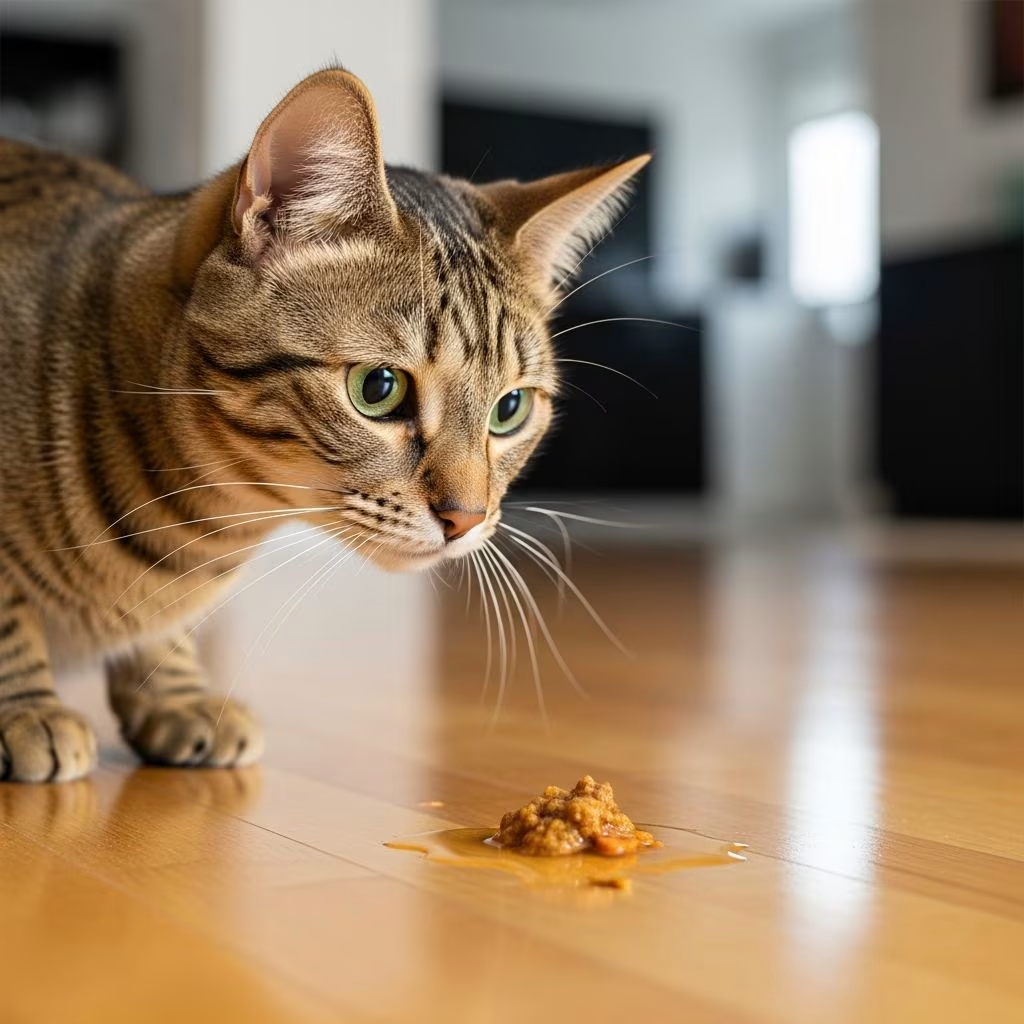
Cats eating their vomit is a peculiar and often concerning behavior for pet owners. While it may seem gross, this action stems from a mix of instinctual, nutritional, and sometimes medical reasons. Understanding why cats eat their vomit can help you determine if it’s harmless or a sign of trouble.
This comprehensive guide covers the primary causes, differentiates between vomiting and regurgitation, explores health implications, and provides practical advice on prevention and when to seek veterinary care. Backed by insights from veterinary sources, we’ll break down this feline quirk to empower you as a cat owner.
What Does It Mean When Cats Eat Their Vomit?
When a cat consumes its own vomit, it’s typically an instinctive response rather than a deliberate choice. In the wild, cats eat regurgitated food to reclaim nutrients or hide signs of weakness from predators. Domesticated cats retain this behavior, viewing vomit as wasted resources. This is especially common with undigested food or hairballs, which they may re-ingest without hesitation.
Observation is key: If your cat eats vomit immediately after expulsion, it’s likely driven by hunger or instinct. Frequent occurrences, however, warrant closer inspection for underlying issues like rapid eating or digestive problems.
Regurgitation vs. Vomiting in Cats
Not all ‘upchucking’ is true vomiting. Distinguishing regurgitation from vomiting is crucial, as regurgitation is passive and more likely to be re-eaten.
- Regurgitation: Undigested food passively exits the mouth, often shortly after eating. It appears tubular, smells like food, and lacks bile or foam. Cats frequently eat it back due to its fresh, palatable state.
- Vomiting: An active process with retching, producing partially digested food mixed with bile, foam, or blood. Less likely to be re-consumed unless instinct overrides discomfort.
Regurgitation often ties to eating too fast or esophageal issues, while vomiting signals broader gastrointestinal distress.
Why Do Cats Vomit in the First Place?
Before addressing re-ingestion, understand vomiting triggers. Cats vomit for benign and serious reasons alike.
Common Benign Causes
- Eating Too Quickly: Greedy eaters gulp food, swallowing air and triggering stomach stretch reflexes that expel it. Common in multi-cat homes.
- Hairballs: Grooming ingests hair, forming masses that irritate the stomach. Long-haired breeds are prone.
- Foreign Objects: Grass, toys, or strings cause irritation or blockages.
- Dietary Changes or Indiscretion: Sudden food switches or scavenging upset digestion.
Serious Medical Causes
Persistent vomiting may indicate illness:
- Parasites: Worms like roundworms cause nausea and weight loss.
- Chronic Diseases: Kidney disease, hyperthyroidism, diabetes, or cancer in older cats.
- Other Issues: Pancreatitis, IBD, liver disease, or infections.
| Vomit Appearance | Possible Cause |
|---|---|
| Undigested food (tubular) | Eating too fast/regurgitation |
| Hairball/cylinder-shaped | Grooming excess |
| Yellow foam | Empty stomach irritation |
| Blood-tinged | Ulcers, toxins, or foreign bodies |
| Black/tarry | Digested blood from GI bleed |
Instinctual Reasons Cats Eat Their Vomit
Cats’ ancestors survived by maximizing nutrition. Eating vomit recovers calories from undigested meals, especially if hungry. It also conceals illness odors from predators, a survival tactic persisting in pets.
In multi-cat households, eating vomit prevents rivals from detecting weakness. Nutritionally, soft vomit resembles prey regurgitated for kittens, triggering consumption.
Nutritional and Behavioral Factors
Hunger Drives: Cats on restricted diets may eat vomit to satisfy appetite. Free-feeding reduces this.
Cleanliness Instinct: Cats dislike mess; eating vomit tidies their space.
Pica Tendencies: Compulsive eating of non-food items can extend to vomit, linked to anemia or stress.
When Is Eating Vomit a Concern?
Occasional episodes are normal, but watch for red flags:
- Vomiting >2-3 times weekly.
- Weight loss, lethargy, diarrhea, or appetite changes.
- Bloody, foamy, or frequent hairballs.
- Dehydration signs (tacky gums, sunken eyes).
These suggest parasites, obstructions, or organ disease. Kittens, seniors, or outdoor cats are higher risk.
How to Stop Cats from Eating Their Vomit
Prevention Strategies
- Slow Feeding: Use puzzle feeders or small meals multiple times daily to curb gorging.
- Brush Regularly: Reduce hair ingestion, especially for longhairs.
- Gradual Diet Transitions: Mix new food over 7-10 days.
- Hairball Remedies: Lubricants like petroleum jelly ease passage.
- Environment Enrichment: Reduce stress with toys and separate feeding spots.
Home Monitoring Tips
Clean vomit promptly to discourage re-eating. Track episodes in a journal: frequency, appearance, timing relative to meals. This aids vet diagnosis.
When to See a Vet
Consult a veterinarian if vomiting persists >24-48 hours, or with symptoms like blood, worms, or distress. Diagnostics may include bloodwork, X-rays, or ultrasounds for parasites, blockages, or CKD.
Emergency if: repeated attempts to vomit without success, severe lethargy, or collapse.
Frequently Asked Questions (FAQs)
Is it normal for cats to eat their vomit?
Yes, occasionally due to instinct or nutrition recovery, but frequent instances need investigation.
Why does my cat vomit then eat it right away?
Instinct to hide weakness or reclaim food; common with regurgitation.
How can I prevent my cat from eating vomit?
Use slow feeders, brush fur, and clean promptly.
What if my cat eats vomit daily?
See a vet; it may indicate parasites, allergies, or disease.
Does eating vomit mean my cat is sick?
Not always, but paired with other symptoms like weight loss, yes.
Conclusion: Keeping Your Cat Healthy
While cats eating vomit is often benign, vigilance ensures timely intervention. Implement preventive measures and monitor closely for peace of mind.
References
- Why does my cat vomit after eating? — IAMS. Accessed 2026. https://iams.eu/cat/cat-guide/behavior/why-does-my-cat-vomit-after-eating
- Cat Throwing Up: Causes & Signs of Serious Issues — Purina. Accessed 2026. https://www.purina.com/articles/cat/health/digestion/why-is-my-cat-throwing-up
- Why Is Your Cat Throwing Up Food — Boulder Veterinary Hospital. Accessed 2026. https://bouldervet.com/blog/why-is-your-cat-throwing-up-food/
- 8 Reasons Why Your Cat Vomits After Eating — Outward Hound. Accessed 2026. https://outwardhound.com/furtropolis/cats/8-reasons-why-your-cat-vomits-after-eating
- Cat Vomiting: Causes, Types, and What to Do — PetMD. Accessed 2026. https://www.petmd.com/cat/symptoms/cat-vomiting-causes-and-types



