

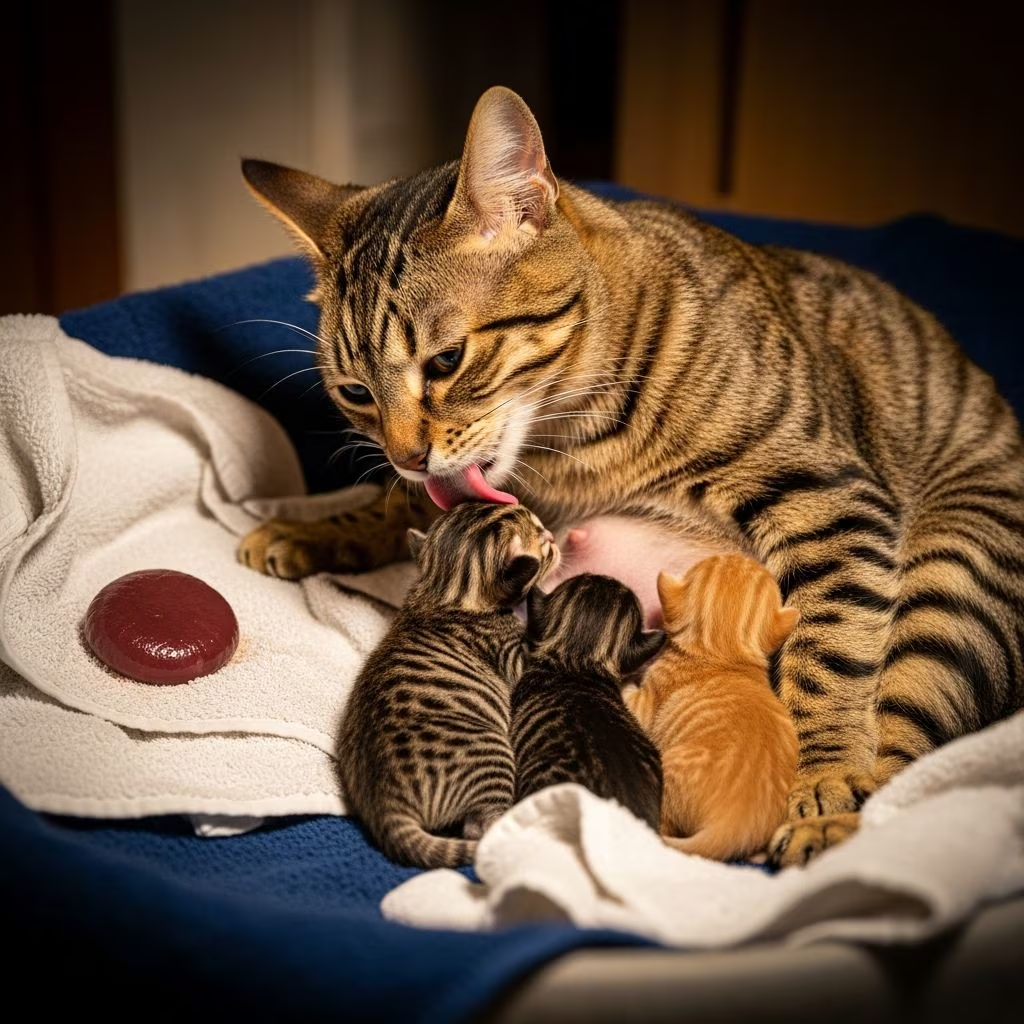
Cats eating their placenta, known as placentophagy, is a common and instinctual behavior observed in both domestic and wild felines. This practice stems from evolutionary adaptations that provide nutritional replenishment, hygiene maintenance, and protection for the newborn kittens.
Understanding Placentophagy in Cats
Placentophagy refers to the consumption of the placenta by the mother after birth. In cats, the placenta is a temporary organ that nourishes kittens in utero by supplying oxygen and nutrients. Once kittens are born, the placenta is expelled, and many queens instinctively consume it. This behavior is widespread across mammals, including cats’ wild ancestors like the African wildcat, ensuring survival in natural environments.
Domestic cats retain this trait despite living in safe homes. Observations show that nearly all healthy queens eat the placentas of their litters, typically one per kitten. The process is quick, with the mother biting through the umbilical cord and ingesting the membranous sac shortly after delivery.
Why Do Cats Eat Placenta When Giving Birth?
Several evidence-based reasons explain this behavior, rooted in biology and survival instincts.
- Nutritional Benefits: The placenta is rich in proteins, iron, vitamins, and hormones, aiding the queen’s recovery from labor. It boosts milk production and energy levels, essential for nursing a litter. This nutrient surge helps malnourished mothers sustain healthy kittens.
- Hygiene and Predator Avoidance: In the wild, leftover placentas emit odors attracting predators or scavengers, endangering the litter. Eating it keeps the nest clean, reducing infection risks from bacteria or insects.
- Hormonal Stimulation: Placental hormones may enhance maternal instincts, promoting bonding, licking, and milk let-down. While not fully proven in cats, this is observed in other mammals.
- Instinctual Cleanup: Queens naturally sever cords and consume afterbirth to stimulate kitten breathing and circulation through licking and eating.
Is Placentophagy Safe for Cats?
Placentophagy is generally safe and beneficial for cats. It poses no toxicity risks and aligns with natural postpartum processes. Veterinary sources confirm it’s a healthy instinct, with rare complications.
However, exceptions exist:
- In large litters (5+ kittens), consuming multiple placentas may cause mild digestive upset like diarrhea due to hormone overload. Monitor for vomiting or lethargy and consult a vet if persistent.
- Retained placentas (not expelled or eaten) can lead to metritis, fever, or septic shock. Signs include bloody discharge beyond 24 hours, dark gums, or neglect.
| Potential Issue | Symptoms | Action |
|---|---|---|
| Overconsumption | Diarrhea, upset stomach | Monitor; vet if lasts >48 hours |
| Retained Placenta | Bloody discharge, fever, neglect | Vet exam, ultrasound |
| Normal Behavior | Eats 1 per kitten, active nursing | Observe, no intervention |
What Happens if a Cat Doesn’t Eat the Placenta?
Not all cats eat their placenta—up to 20-30% may skip it without issue. Variations occur due to individual temperament, litter size, or health. If uneaten, owners must intervene to prevent complications.
- Owner Responsibilities: Gently remove placentas with gloves, dispose hygienically. Check for one per kitten by counting.
- Risks of Neglect: Odors attract flies; decomposition risks bacterial infections like E. coli metritis.
- No Long-term Harm: Cats skipping placentophagy nurse normally if nutrition is adequate. Supplement with high-protein kitten food.
Never force feeding, as stress can disrupt bonding. A calm environment encourages natural behaviors.
Related Behaviors: When Cats Eat Kittens
While placentophagy is normal, some confuse it with rarer kitten consumption. Queens may eat stillborn, deformed, or sickly kittens to protect the litter.
- Stillborn Kittens: Eaten to prevent decomposition odors and disease spread.
- Sick/Deformed: Weak kittens risk attracting predators; consumption recycles nutrients.
- Stress/Malnourishment: Environmental threats, poor diet, or pain (e.g., mastitis) trigger this.
This differs from placentophagy—intervene only if healthy kittens are targeted, indicating health issues.
Keeping Your Pet Healthy and Safe During Birth
Prepare for queening to support instincts:
- Nesting Box: Quiet, dark space with clean towels, away from traffic.
- Nutrition: High-calorie kitten food pre- and post-birth; ensure fresh water.
- Monitoring: Watch stages: contractions (12-24 hours), active labor (5-30 min/kitten). Normal temp 99-100°F post-birth.
- Vet Prep: Emergency kit: towels, heat source, bulb syringe. Call vet for distress.
Labor timeline:
| Stage | Duration | Signs |
|---|---|---|
| Pre-Labor | 24-48 hours | Restlessness, nesting |
| Active Labor | 2-6 hours | Straining, kittens born |
| Postpartum | Hours-Days | Cleaning, nursing |
Frequently Asked Questions (FAQs)
What if my cat eats the placenta?
It’s normal and safe. Provide quiet recovery space.
Should I stop my cat from eating the placenta?
No—it’s instinctual. Interfering causes stress.
How many placentas should a cat eat?
One per kitten. Count to ensure none retained.
Can eating placenta harm my cat?
Rarely; watch for GI upset in big litters.
What if placentas are missing after birth?
Check for retention signs; vet if discharge persists.
Do all cats eat their placenta?
No, some don’t—clean up manually.
Why might a cat eat a live kitten?
Stress, illness, or instinct for weak offspring.
This comprehensive guide ensures cat owners understand placentophagy’s role in feline reproduction. Always prioritize veterinary advice for unique situations.
References
- Why do cats eat their babies? Reasons and How to Prevent! — YouTube. 2023. https://www.youtube.com/watch?v=sUeivHiZzFY
- Do Cats Eat Their Placenta? Vet-Verified Facts & FAQ — Hepper. 2024-05-15. https://articles.hepper.com/do-cats-eat-their-placenta/
- Retained Placenta in Cats – Signs, Causes, Diagnosis, Treatment — WagWalking. 2024. https://wagwalking.com/cat/condition/retained-placenta
- Feline Breeding Management — Animal Hospital of Fate. 2023. http://www.ahfate.com/FelineBreeding.html
- Cat Pregnancy: Signs, Behavior And Timeline — Cats.com. 2025-01-10. https://cats.com/cat-pregnancy
- History of Placenta Consumption — Baby Nest Birth Services. 2023. https://babynestbirth.com/history-of-placenta-consumption/



