

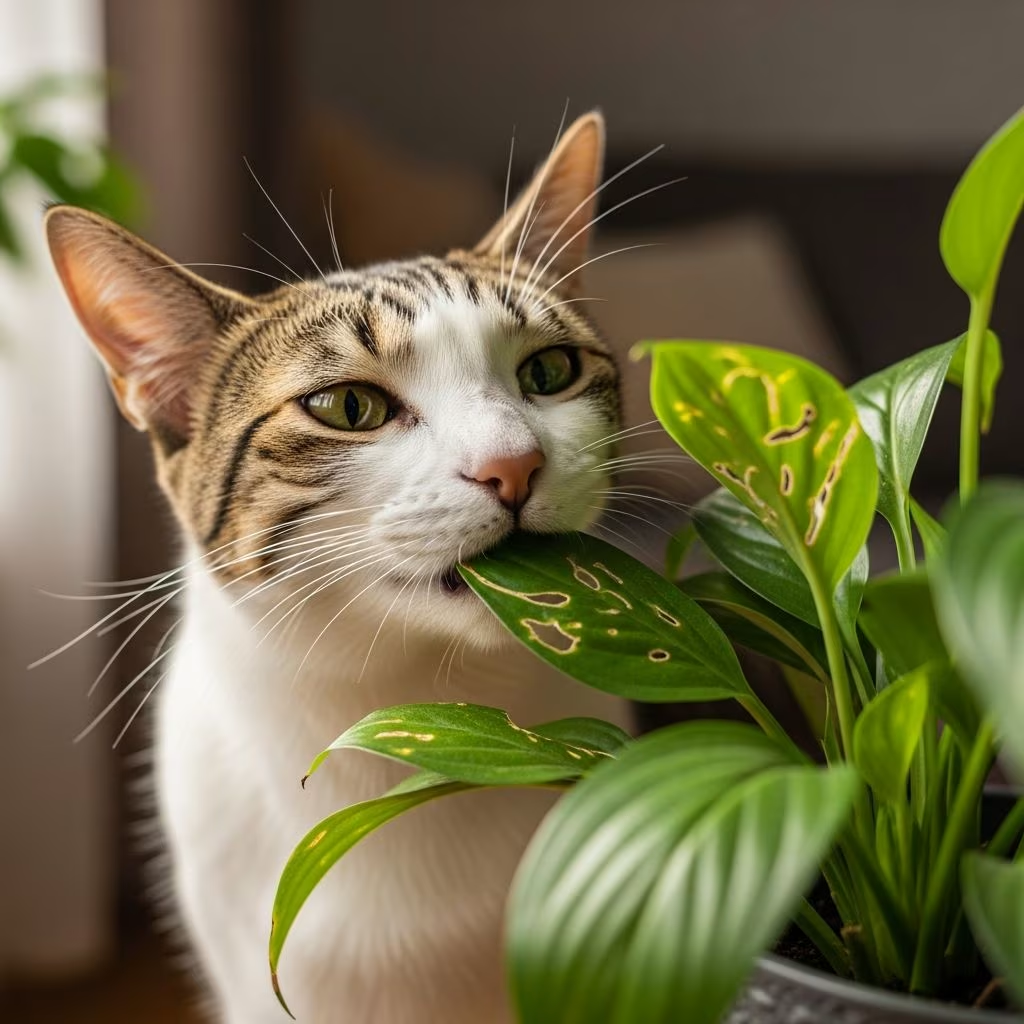
Cats eating or chewing on houseplants is a common and often perplexing behavior for many pet owners. While cats are obligate carnivores, their attraction to greenery stems from a mix of innate instincts, nutritional needs, and environmental factors. This article explores the key reasons behind this habit, potential health risks, safe plant alternatives, and practical solutions to discourage it, helping you maintain a harmonious home for both your feline and your foliage.
Why Do Cats Eat Plants? 7 Vet-Reviewed Reasons
Understanding the motivations behind your cat’s plant-munching can help address the root cause. Veterinarians and cat behavior experts identify several primary reasons, supported by observations of both domestic and wild felines.
1. Curiosity and Natural Hunting Instincts
Cats are inherently curious explorers, and houseplants provide an enticing playground. The rustling leaves and swaying stems mimic prey movement, triggering their hunting instincts. In the wild, cats pounce on similar stimuli, and domesticated cats retain this behavior indoors. This playful interaction often escalates to chewing as they investigate textures and tastes.
2. Nutritional Deficiencies or Fiber Needs
Though carnivores, cats seek plant matter for fiber, which aids digestion and prevents constipation. Wild cats obtain fiber from prey stomachs, but domestic cats may turn to plants as a compensatory source. Folic acid, vital for hemoglobin production, is another nutrient found in some greens like grass or spinach, prompting instinctive consumption.
3. Digestive Aid and Self-Medication
Plant eating often serves as a natural laxative or emetic. Cats lack enzymes to digest plant fibers fully, so ingestion leads to regurgitation, expelling hairballs, parasites, or indigestible items like fur. Studies show this behavior is innate, more common in young cats vulnerable to parasites, and observed across wild felids.
4. Boredom, Stress, or Attention-Seeking
A lack of mental stimulation can drive cats to plants for entertainment. Bored or stressed felines chew greenery to alleviate anxiety, while some use it to solicit owner attention. Providing toys, playtime, and routines reduces this displacement behavior.
5. Soothing an Upset Stomach
When feeling ill, cats eat plants to induce vomiting and purge toxins or irritants. This self-medication mirrors wild behaviors where vegetation helps manage gastrointestinal issues. If persistent, it may signal underlying health problems requiring veterinary attention.
6. Tapping Into Ancestral Instincts
Domestic cats inherit plant-eating from wild ancestors exposed to parasites. Regular ingestion maintained tolerable parasite loads, a trait persisting today even without such threats. Younger cats exhibit this more frequently.
7. Taste, Texture, or Perceived Hunger
Some cats simply enjoy the taste or mouthfeel of plants. Even well-fed cats may nibble if they perceive hunger or crave variety, seeking trace vitamins absent in commercial diets.
Is It Normal for Cats to Eat Plants?
Yes, plant eating is normal and healthy in moderation for most cats. It’s a widespread behavior linked to survival instincts rather than dietary inadequacy. However, excessive chewing, vomiting, or signs of illness warrant a vet visit to rule out deficiencies or toxicities.
Are There Any Benefits to Cats Eating Plants?
- Digestive Health: Fiber promotes gut motility, eases hairball passage, and acts as a laxative.
- Nutrient Boost: Provides folic acid and roughage missing from meat-only diets.
- Parasite Control: Innate mechanism to expel intestinal worms, beneficial for young cats.
- Stress Relief: Chewing offers mental stimulation, reducing boredom-induced anxiety.
These perks explain why even outdoor cats graze on grass.
Which Houseplants Are Toxic to Cats?
Many popular houseplants pose serious risks. Toxicity causes symptoms like vomiting, diarrhea, lethargy, drooling, or organ damage. Common culprits include:
| Plant Name | Toxicity Level | Symptoms |
|---|---|---|
| Lilies (e.g., Peace Lily, Tiger Lily) | Highly Toxic | Kidney failure, vomiting, lethargy |
| Poinsettia | Mildly Toxic | Irritation, vomiting, diarrhea |
| Philodendron | Toxic | Oral irritation, swelling, drooling |
| Dieffenbachia (Dumb Cane) | Toxic | Burning mouth, difficulty swallowing |
| Aloe Vera | Toxic | Vomiting, lethargy, diarrhea |
| Ivy (English Ivy) | Toxic | Vomiting, hypersalivation |
Always research plants via ASPCA or vet resources before introducing them.
8 Safe Plants for Cats
Opt for non-toxic, cat-approved alternatives to satisfy chewing urges safely:
- Cat Grass (Oat, Wheat, Barley): High-fiber, promotes digestion; grow your own.
- Spider Plant: Hardy, non-toxic; cats love dangling leaves.
- Boston Fern: Lush texture without toxins.
- Parlor Palm: Safe, elegant option.
- Safe Herbs: Basil, parsley, rosemary (avoid overuse).
- Catnip or Silver Vine: Stimulates play without eating risks.
- Swedish Ivy: Non-toxic creeping plant.
- Baby Tears: Soft, appealing foliage.
Pot them accessibly to redirect interest.
How to Stop Your Cat from Eating Plants
Combine deterrence, enrichment, and alternatives for success:
- Provide Cat-Safe Greenery: Offer grass or safe plants in dedicated pots.
- Enrich Environment: Toys, scratching posts, perches combat boredom.
- Use Deterrents: Citrus sprays, aluminum foil, or motion-activated air puffs on plants.
- Supervise & Train: Redirect with toys; use positive reinforcement.
- Optimize Diet: High-fiber cat food; hairball remedies.
- Block Access: Hang plants, use shelves, or room dividers.
- Address Stress: Pheromone diffusers, routine play.
- Vet Check: Rule out medical issues.
FAQs
Q: Why does my cat eat plants even with plenty of food?
A: It’s often instinctual for fiber, digestion, or curiosity, not hunger. Cats crave plant textures regardless of diet.
Q: Is cat grass safe and why do they love it?
A: Yes, it’s nutritious and non-toxic, providing safe fiber for hairballs and digestion.
Q: What if my cat vomits after eating plants?
A: Occasional vomiting is normal for purging, but frequent episodes need vet evaluation for toxins or illness.
Q: Can plant eating indicate health problems?
A: Possibly nutritional gaps or GI issues; monitor and consult a vet if excessive.
Q: How do I protect rare plants from my cat?
A: Elevate, deter with scents, and offer alternatives like catnip toys.
References
- Why do cats eat houseplants? | Expert Insights | Cat Behavior — The Cat Behavior Clinic. 2023. https://www.thecatbehaviorclinic.com/why-do-cats-eat-houseplants/
- Characteristics of Plant Eating in Domestic Cats — PMC – NIH (Peer-reviewed). 2021-07-20. https://pmc.ncbi.nlm.nih.gov/articles/PMC8300339/
- Why Do Cats Eat Plants? Is This Normal? — Chewy Education. 2024. https://www.chewy.com/education/cat/training-and-behavior/why-do-cats-eat-plants
- How to Keep Your Cat from Eating Your Houseplants — PetPlace. 2023. https://www.petplace.com/article/cats/pet-behavior-training/how-how-to-keep-your-cat-from-eating-your-houseplants
- Why Does My Cat Eat Grass or Houseplants? — Vetstreet. 2022. https://www.vetstreet.com/our-pet-experts/why-does-my-cat-eat-grass-or-houseplants



